Alliums

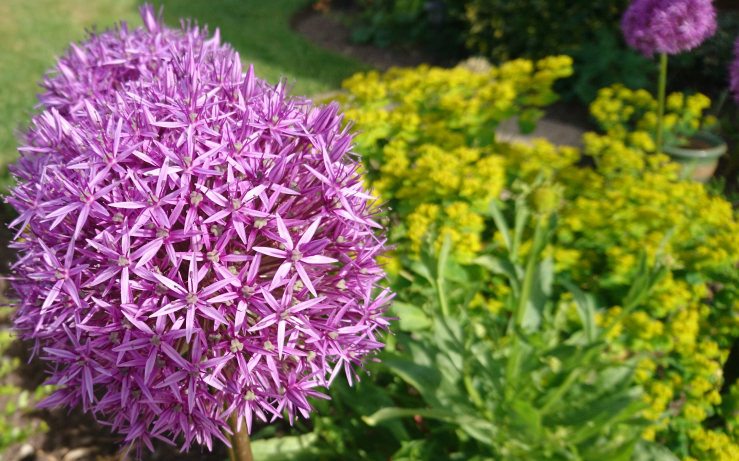
I have grown alliums for a few years now, having seen them at gardening shows and falling in love with them there.  I once heard them described as purple balls on sticks and there really is no better description for the ones I grow,  although they do come in different colours.  
All photos by Toni Abram.

Allium

My alliums were purchased as bulbs but you can purchase them as plants also. I have mine planted in my garden borders but they can be planted in pots too and there are many varieties to choose from.


Alliums normally start to appear in early spring and they go through a number of stages prior to blooming fully. Stage one looks as if the allium is discarding clothing.
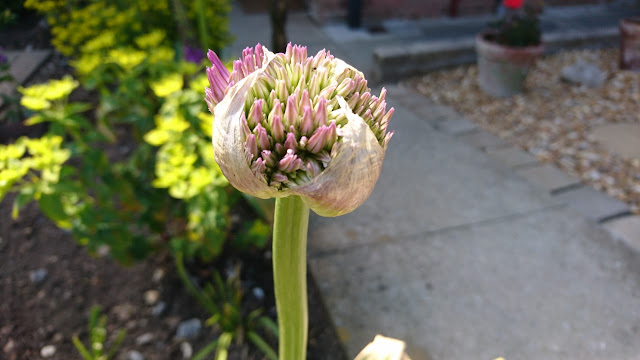
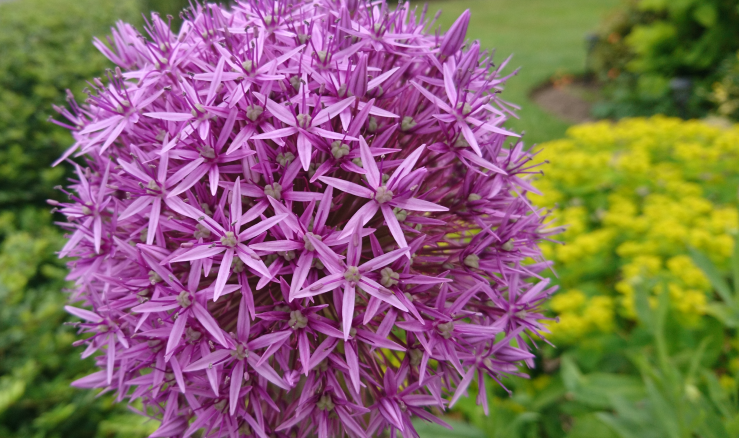
Purple allium.

Stage two reminds me of a purple troll.

The next stage looks like a pom pom and as the allium begins to unfurl, you can see it is made up of many individual flowers.
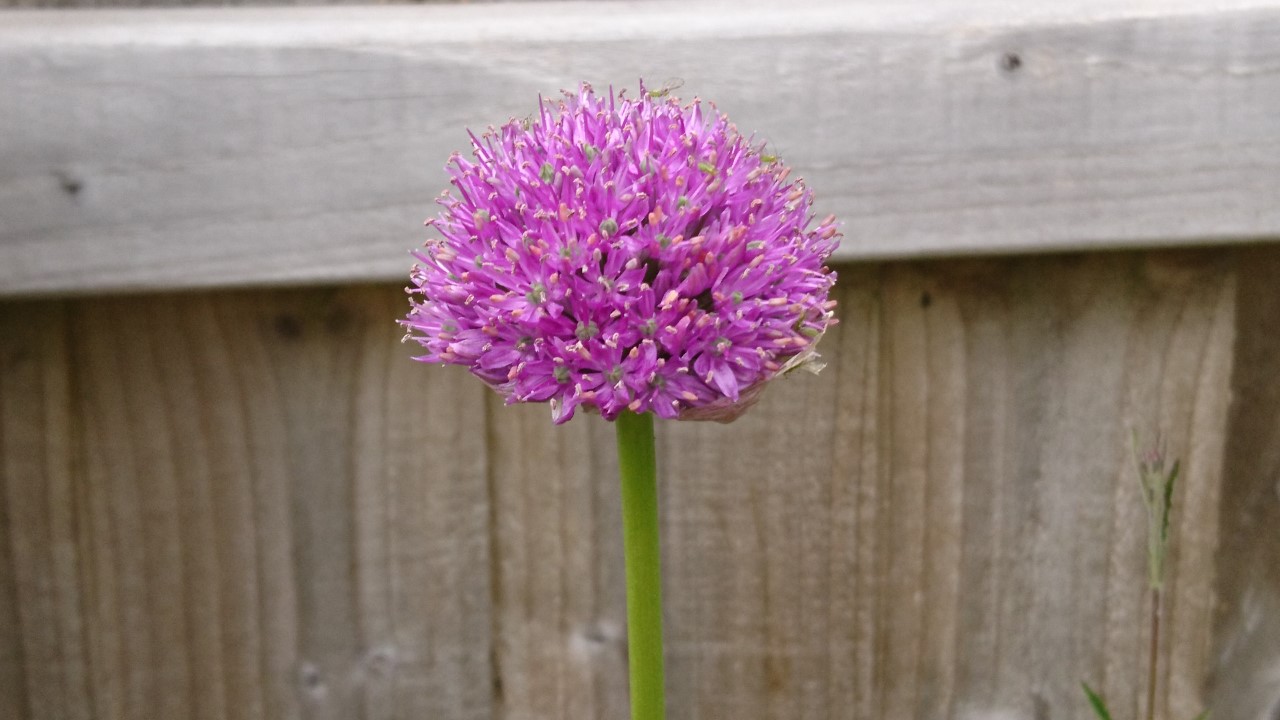
At this stage you might think that your allium has done and be a bit disappointed but over the coming few days, it will continue to bloom into something fabulous.
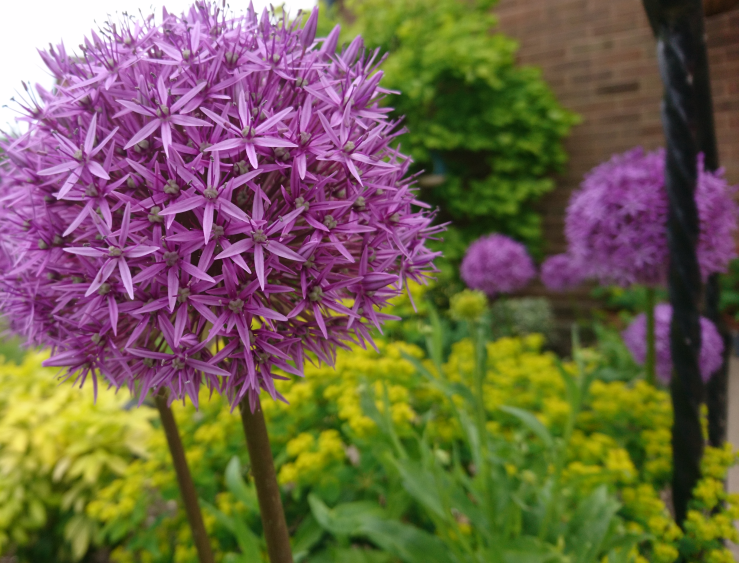
garden-6-2021garden-7-2021garden-8-2021

Once an allium has done flowering, the flower head will turn brown but they are not unattractive and can add interest to a garden or you could add them to a flower arrangement. You can also save the seeds to sow in spring to grow more alliums in your garden another year.

As alliums grow, I have noticed the leaves turn yellow the nearer they get to flowering. I have tried researching why this happens and it seems to be a common trait that frustrates other gardeners too. I cut the yellow leaves off, as they are a bit too messy for my taste but you could also plant your alliums at the back of your border, with other plants in front to hide the leaves.
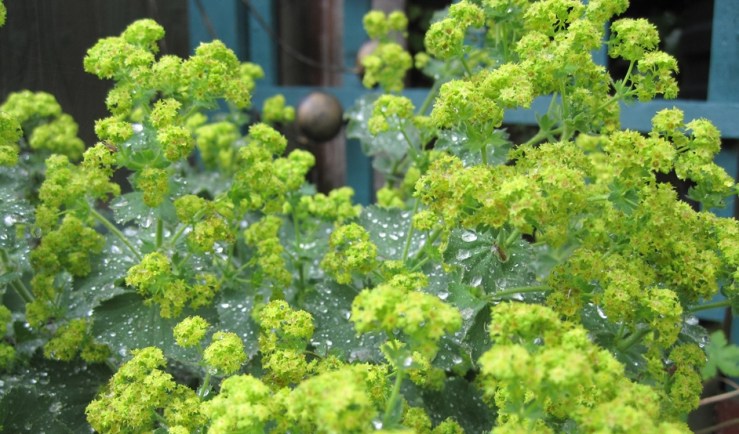
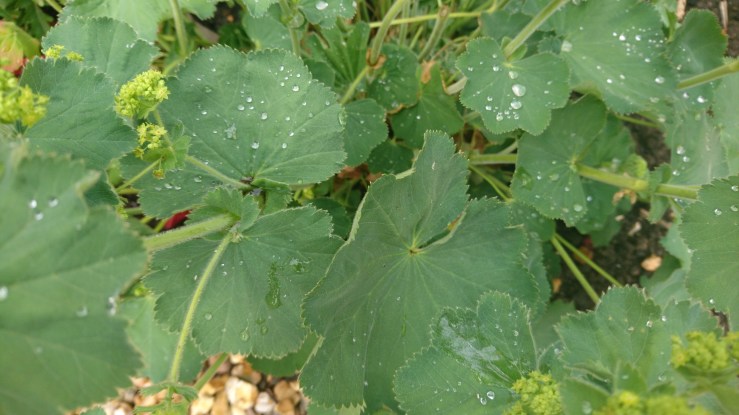
Alchemilla mollis

I have grown alchemilla mollis (also known as lady’s mantle) in my garden for many years now. I have heard it described by others as a weed but although it might grow like one, this description does it a big disservice.

All photos by Toni Abram.

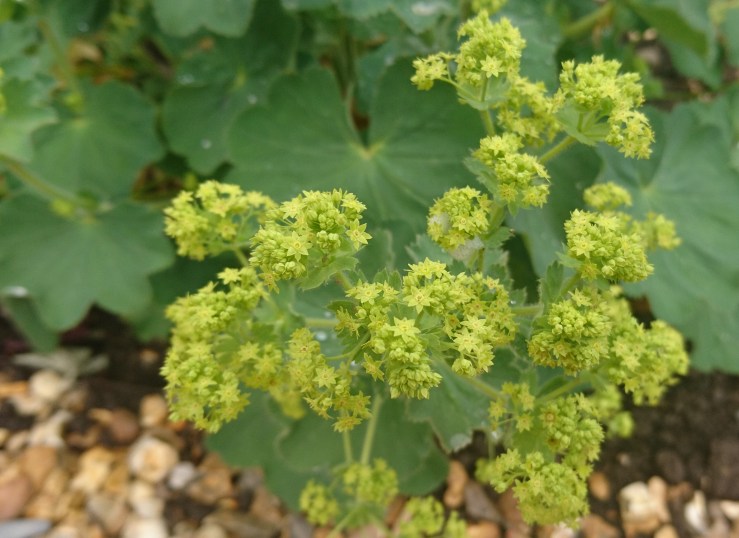
Alchemilla mollis.

The plant has large apple green fan shaped leaves and masses of lime yellow flowers which up close look like tiny stars. Alchemilla mollis is great for ground cover, makes a beautiful back drop for other flowers, can be used as a front of border plant or used to under plant other plants. And when it rains, the leaves hold the droplets and they sparkle as if in a fairy wonderland.

Alchemilla mollis leaves.

Originally from Caucasus, the name alchemilla is related to the word alchemy. In the past the plant was believed to be magical plant – the water droplets that formed on the leaves were thought to be the purest form of water and that they might turn base metals into gold.

Herbalists prescribe it for a variety of conditions. Anti inflammatory and astringent, it has properties that are good for regulating menstruation and it is often used in late pregnancy to help strengthen the uterus, when it is usually prescribed as a tea made from the flowers.

Alchemilla flowers.

Alchemilla mollis, thrives in sun or part shade, so it’s very versatile and useful around the garden.

For best results, grow in moist but well drained soil. Cut back hard after flowering and it should produce a second flush of flowers in late summer.

And one final word for anyone who still thinks this plant is a weed. The Royal Horticultural Society has given it the prestigious Award of Garden Merit (AGM). Given to help gardeners choose the best plants for their garden – it is their seal of of approval that a plant will perform reliably in your garden.