Millicent May Bowers

Millicent May Bowers was my great grandmother. Married to Joseph Charles Abram, they  had three children, my grandfather Louis Bowers Abram, Betty and Joseph Bowers Abram, their first son, born in Tempe, Pretoria, South Africa, in 1913, when Joseph Charles was stationed there on army service.

Milly May

milly-may-2-mears-ashby

Born in Bury St Edmunds, the 1901 census shows Milly, aged 17, living with her parents Henry and Eliza and working as a dressmaker. In 1911 she can be found working at the Kings Arms in Woodbridge, with her sister Kate Eliza Whitehead, a widower and Licenced Victualler, where Kate appears to have been the landlord for over 30 years.  Also living at the pub is Arthur John Bunn, a Ostler (a man employed to look after the horses of people staying at an inn), who appears to have become the landlord in 1937. The pub is now closed and the building used for mixed retail use.

Louisa Jane Shortland

Louisa Jane Shortland was my great grandmother on my fathers side of the family. She was the wife of Albert Edward William Clarke who served with the Northamptonshire Constabulary, the daughter of William Thomas Shortland and Elizabeth Jelley and she had one brother, Ernest Henry. Albert and Louisa had five children – Dorothy Margaret, Edward Alexander, Cicely Mary  (known as Molly), Kitty Alexandra and my grandmother Delia Eileen.
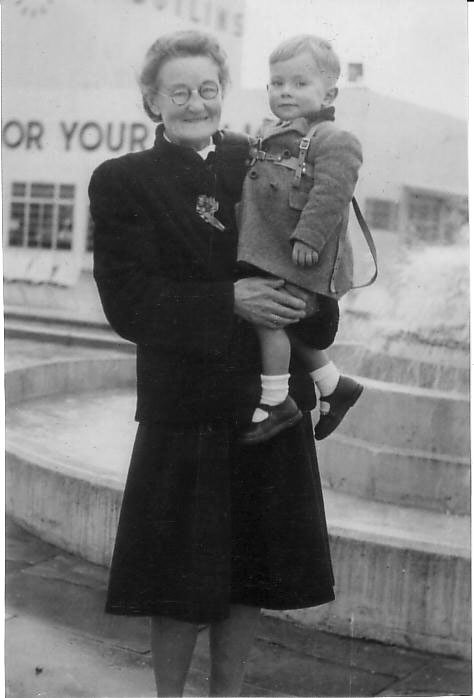
louisa-and-dad
I have been able to trace Louisa through census returns.  The 1881 census shows her living in Weedon, aged three, with her father William (a widower) and his sister Emily, also Louisa’s brother Ernest and their grandparents.  The 1891 census shows Louisa is still at home with William in Weedon but he is now married to Alis and there is is a daughter Bessie.
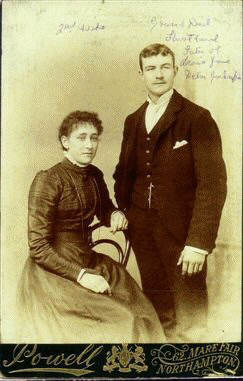
william-and-alis

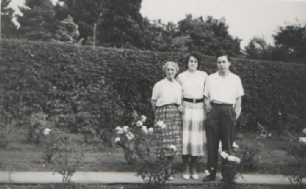
In 1901, Louisa is still in Weedon but now working as a parlour maid. When William’s first wife Elizabeth died, William re-married Alis, who had a daughter called Maud. William and Alis, later had a child together called Bess.  The photos below show the four children (Ernest is pictured at the back, with his hand on Louisa’s shoulder) and William and Alis. Ernest lived to be 91 and Bess died, unmarried, leaving thousands of pounds for charities in Northamptonshire.
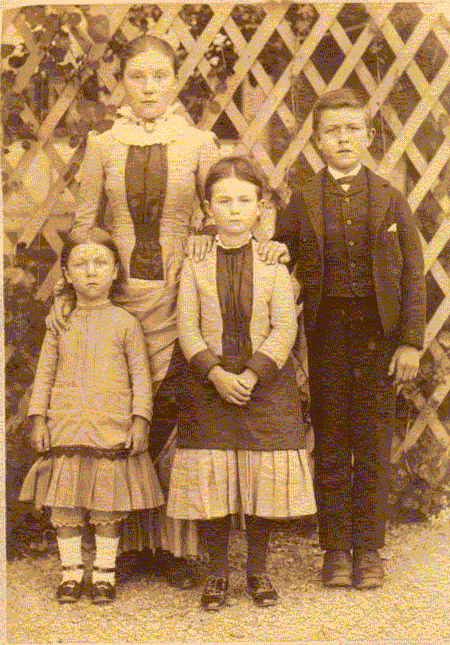
louisajangirl

By 1911, Louisa has married my great grandfather Albert Edward William Clarke, a police sergeant and they are living together at Factory Row Police Station, Pottersbury.  Their two eldest children, Dorothy and  Edward who died aged four in October 1911,  are also shown, together with a visitor, Cecilia E Glenn, a certified midwife. The 1911 census doesn’t appear to coincide with the births of any of Louisa’s children that I can see but my father believes Louisa had a number of miscarriages, so that could be the reason.

In 1939 register records Louisa Jane as a widow living her daughters Molly and Kitty at The Limes, Wellingboro.

It has also been possible to keep track of Louisa’s father William. In 1861 he is aged seven, living in Weedon with his parents John and Jane and siblings, Henry (recorded as an invalid), Richard, Sarah and Emily. In 1871 he is aged 17 and still living with his parents and sister Emily and but in 1881, William is recorded as a widower, living with his parents and sister, and his children Louisa and Ernest.  He remains a resident of Weedon on both the 1891 and 1901 censuses.

The census returns also show my great great grandfather John Shortland – aged 36 in 1851, he is married to Jane and living with children John, Richard, Sarah and Mary.  In 1861 William and another daughter, named Emily appear and Louisa Jane and her brother Ernest show on the 1881 census too.

Prior to marrying Albert, Louisa was in service. She can be found on the 1901 census, residing with a family called Liddell  in Wandsworth. The photo below includes Louisa and was taken by J. Seckington photograper, of Willoughby, Rugby.
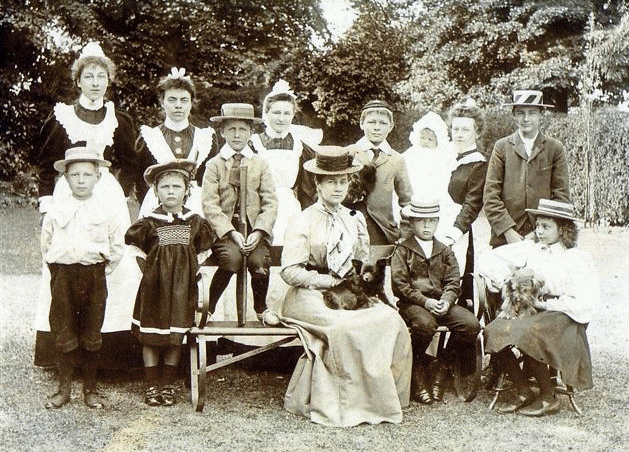
louisa-in-service

More photos
Albert Edward William Clarke

Albert Edward William Clarke was my great grandfather on my fathers side of the family. He served with the Northamptonshire Constabulary from 1 December 1899 until he retired on 6 October 1931.

albert-clarke-1

On joining the force he was described as a native of Welton, Northamptonshire and during his service he served at Kettering, Oundle, Paulerspury, Daventry, East Haddon, Northampton, Pottersbury and Naseby. On retirement he held the rank of Sergeant and was described as having an exemplary character.

The 1901 census shows Albert, aged 24, living alone at Police Station House, London Road, Kettering. His occupation is shown as Police Constable. The 1911 census shows Albert living with Louisa at Factory Road, Potterspury, Paulerspury. His occupation is given as Sergeant of Police.

albert-clarke-4

The photo above is a postcard sent by Albert on 7 June 1911 to Mrs A E Clarke (my great grandmother), Police Station, Pottersbury, Stony, Stratford, Bucks. On the back it reads: ‘Dear Lou Hope you are all well pleased to say I am alright, not quite as busy as on Monday. I do not know yet if it will be Sunday or Monday we shall leave here with love to you all. Ted’.

I also have a book of common payer given to Albert  by Louisa. At approximately 5cm by 9cm I can barely read the writing but on the inside front cover it says ‘From Lou, to Albert, Xmas 1889. In loving memory of the past’.

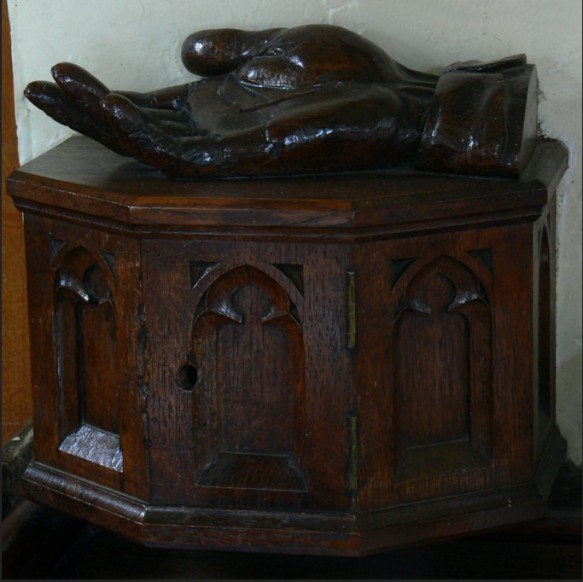
Albert is remembered at St Martins Church, Welton by a plaque that records that he and a number of other local men carved the pulpit.

plaque-1

pulpit-2020

pulpit-2-2020

The newspaper article below appeared in the Northampton Mercury on 2 August 1918. It records Albert Edward William Clarke as a Sergeant in Naseby. He had been summoned by the Daventry Board of Guardians who sought a maintenance order for his mother Mary Ann Clarke.

Northampton Mercury, 2 August 1918

Albert’s retirement was reported in local newspapers and stated he had ‘repeatedly been called for duty when royalty had visited the county at Althorpe and Castle Ashby in 1907 when the present King and Queen, Prince and Princess of Wales, visited there. During the last three hunting seasons the Sergeant has been in charge of the police who were on duty at Naseby Hall and Thornby Grange when the Duke and Duchess of York and Princess Elizabeth were in residence.’

albert-retirement-1

At the time of his death it was reported that he ‘knew personally both the present King and Queen and the late King George and Queen Mary, for during his police service he was called upon to undertake the duty of guarding their Majesties. This was when King George and Queen Mary stayed at Althorpe several years ago and when the present King and Queen were at Naseby Hall and Thornby Hall as Duke and Duchess of York.’

death-notice

More photos
Hydrangea

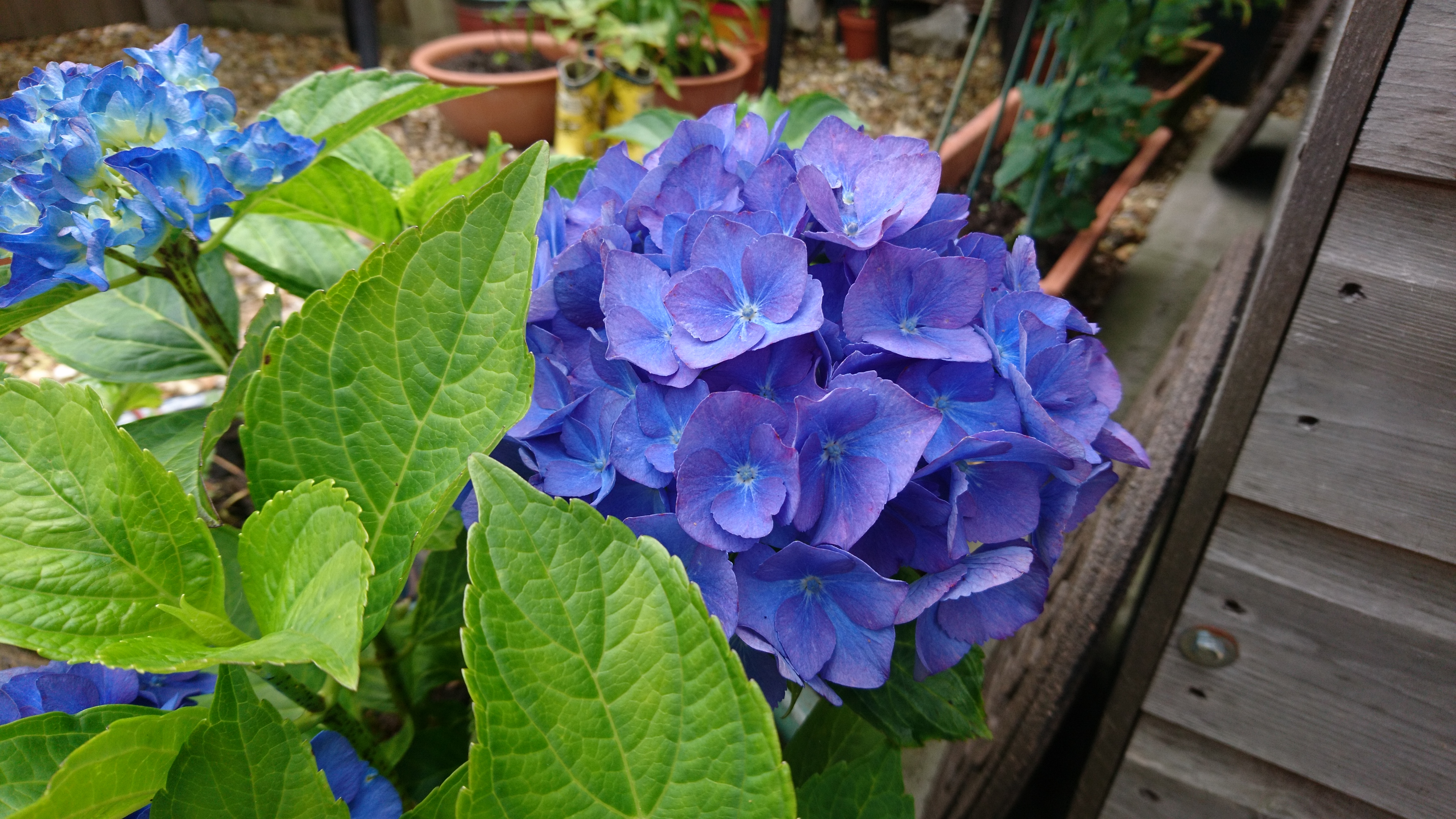
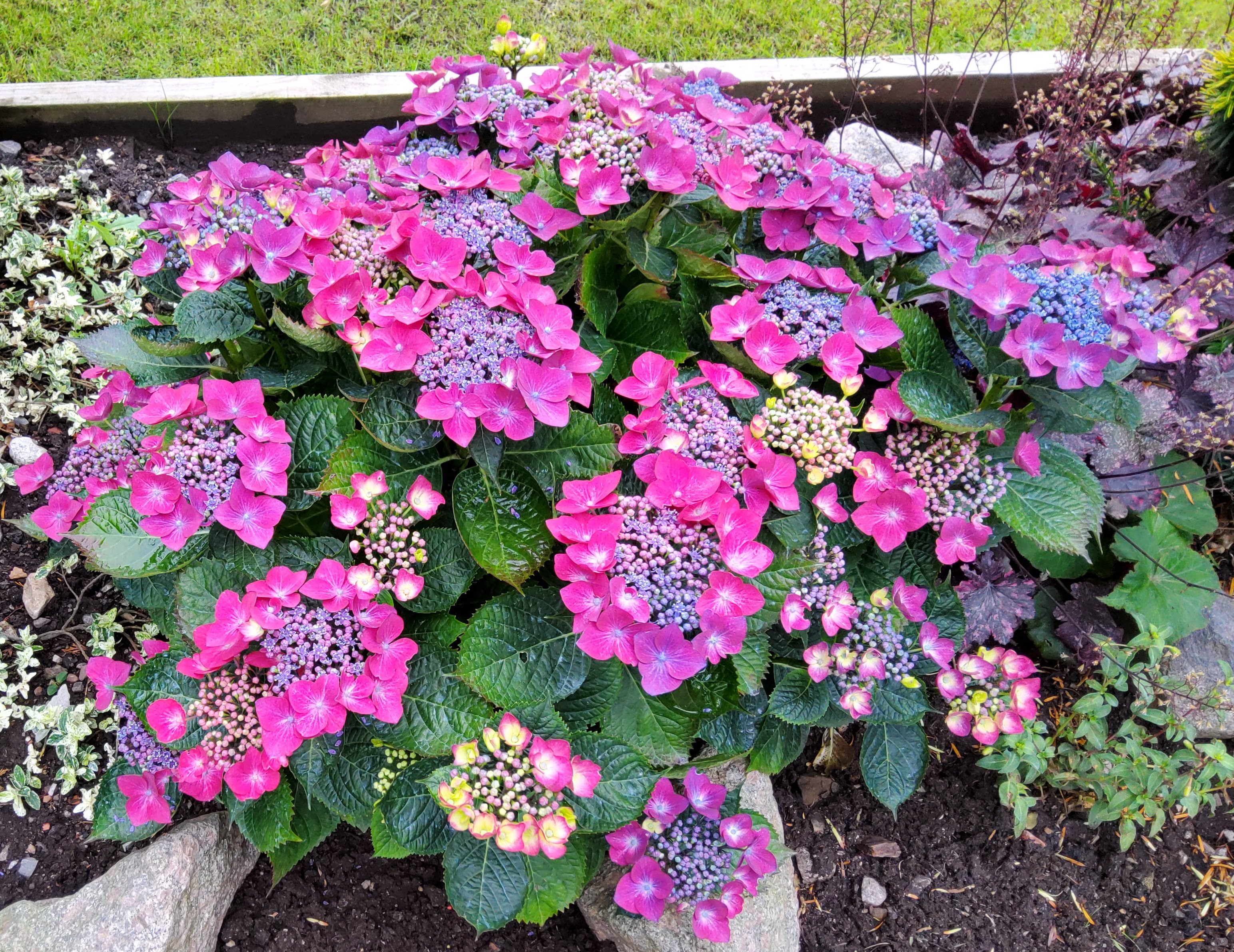
Hydrangeas are deciduous hardy shrubs. There are many different types of hydrangea, including mophead hydrangeas with their huge flowerheads and lacecap hydrangeas which have smaller more delicate flowers. The word hydrangea is derived from the Greek word hydor meaning ‘water’ and angeion meaning ‘vessel’.

hydrangea-10

All photos by Toni Abram.

Hydrangeas should be planted in spring after the last spring frost or in autumn before the first winter frost. They can be grown in pots or borders and should be planted in a partially shaded, sheltered spot, in moist but well drained soil.

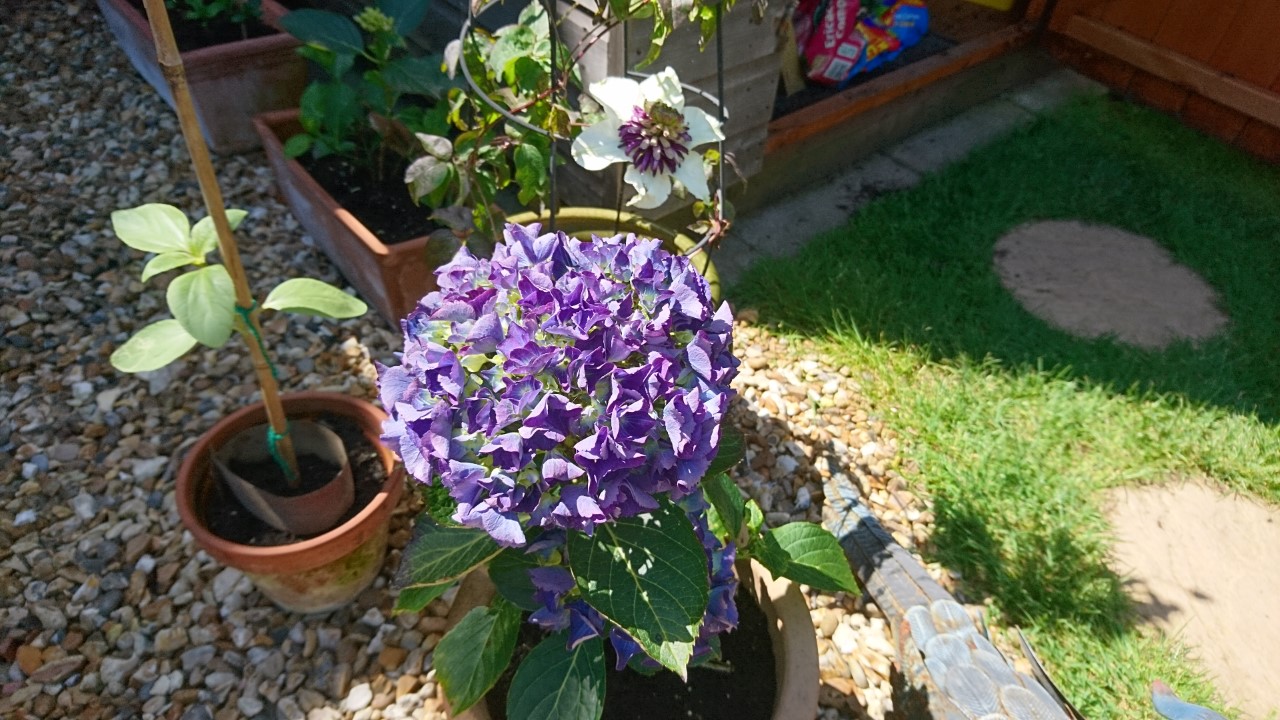
I have mine planted in a spot that is in full sun for much of the day. This is definitely a case of ‘don’t do as I do.’ As happy as my hydrangea is, it can struggle on very hot days. It is however very good at communicating it is thirsty, with the flowers going floppy and sad looking, however within a short time of watering, the plant perks right up again.

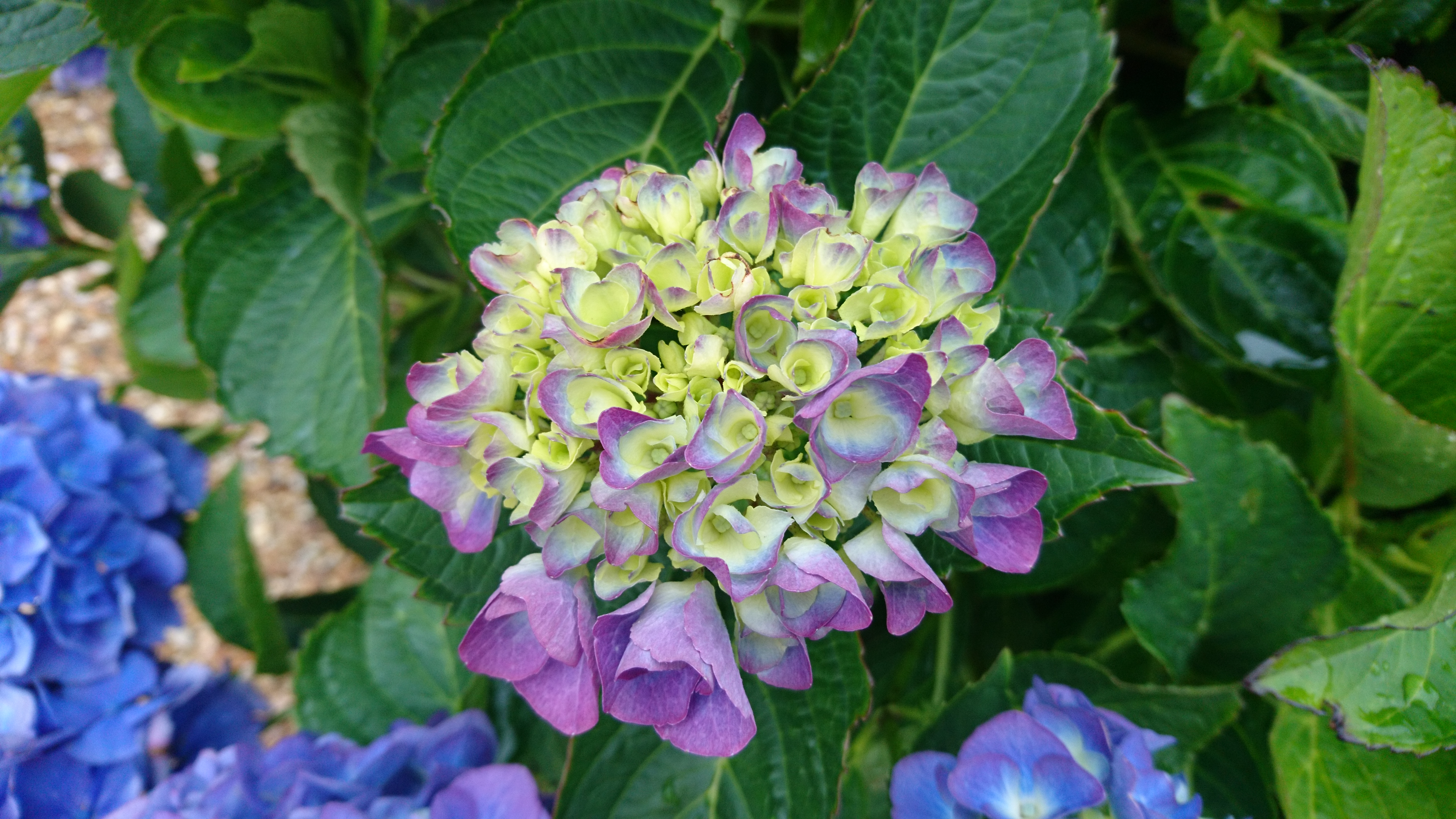
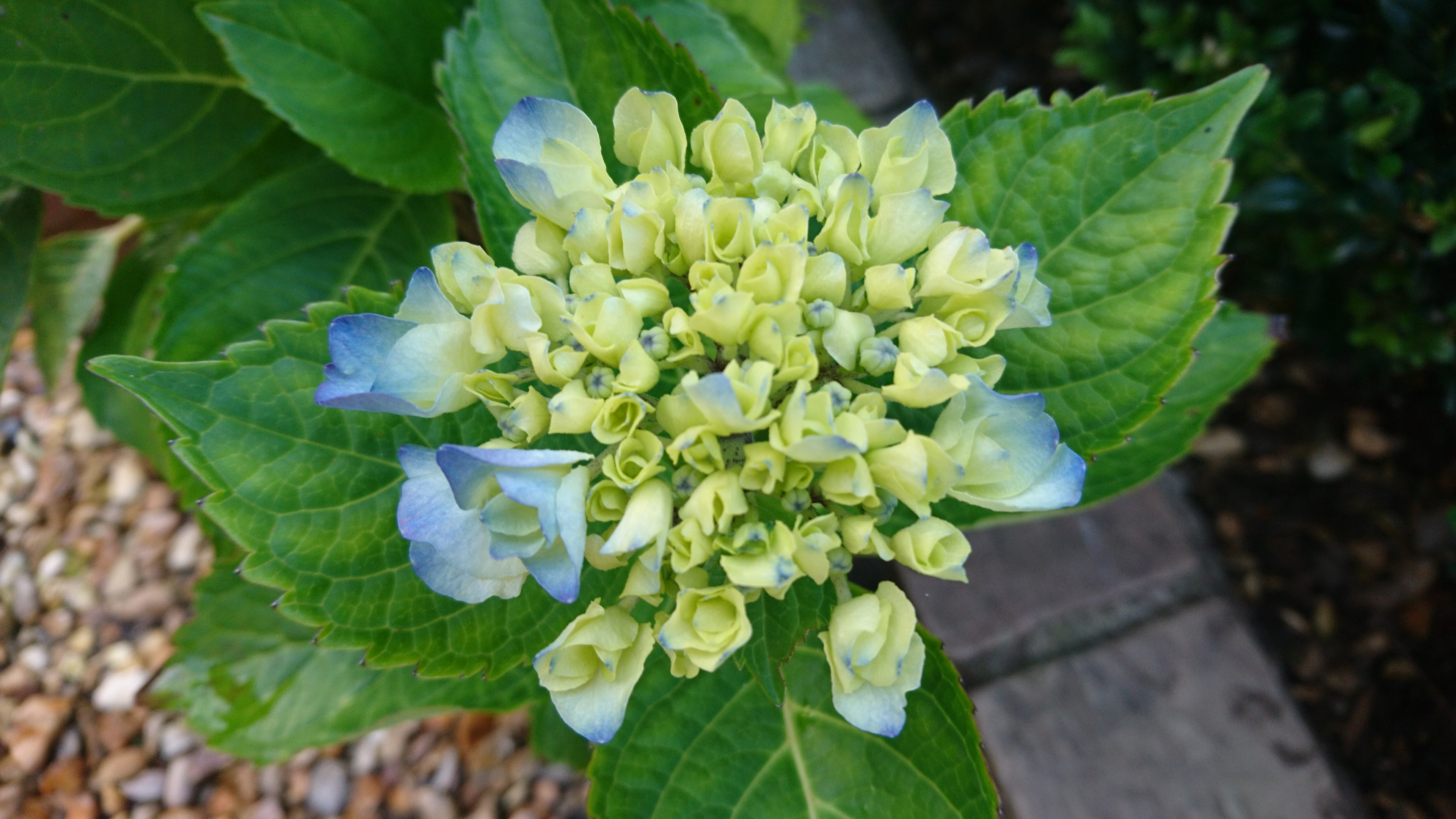
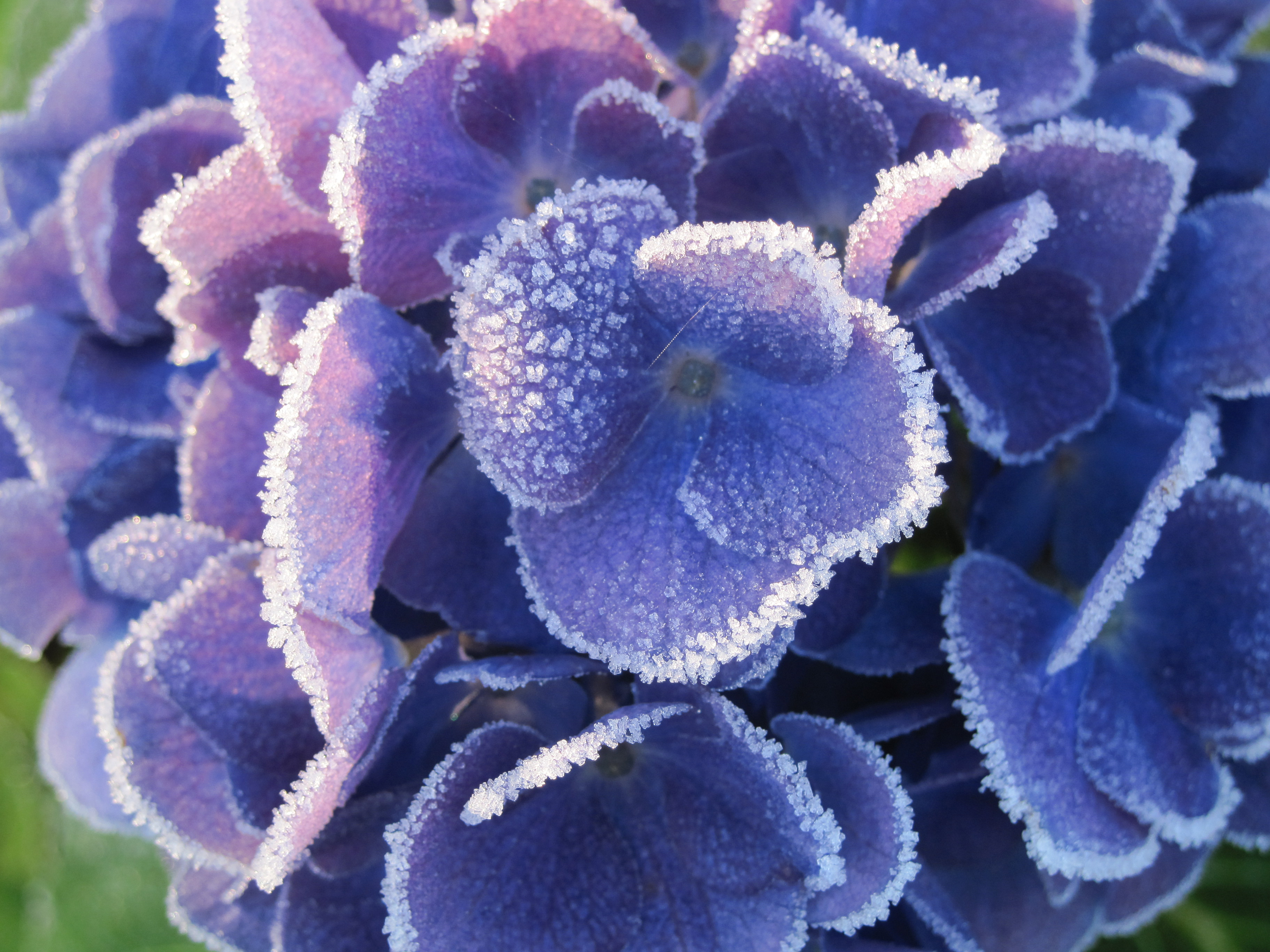
I have a blue hydrangea which I have worked to keep that way by planting it in ericaceous soil and using hydrangea colourant, which can be purchased from a garden centre or online and can either be sprinkled around the base of the plant or added to water. The flowers on my plant range from dark inky blue, light blue, purple, lilac and lavender, all on the same plant at the same time.

hydrangea-9hydrangea-7hydrangea-8

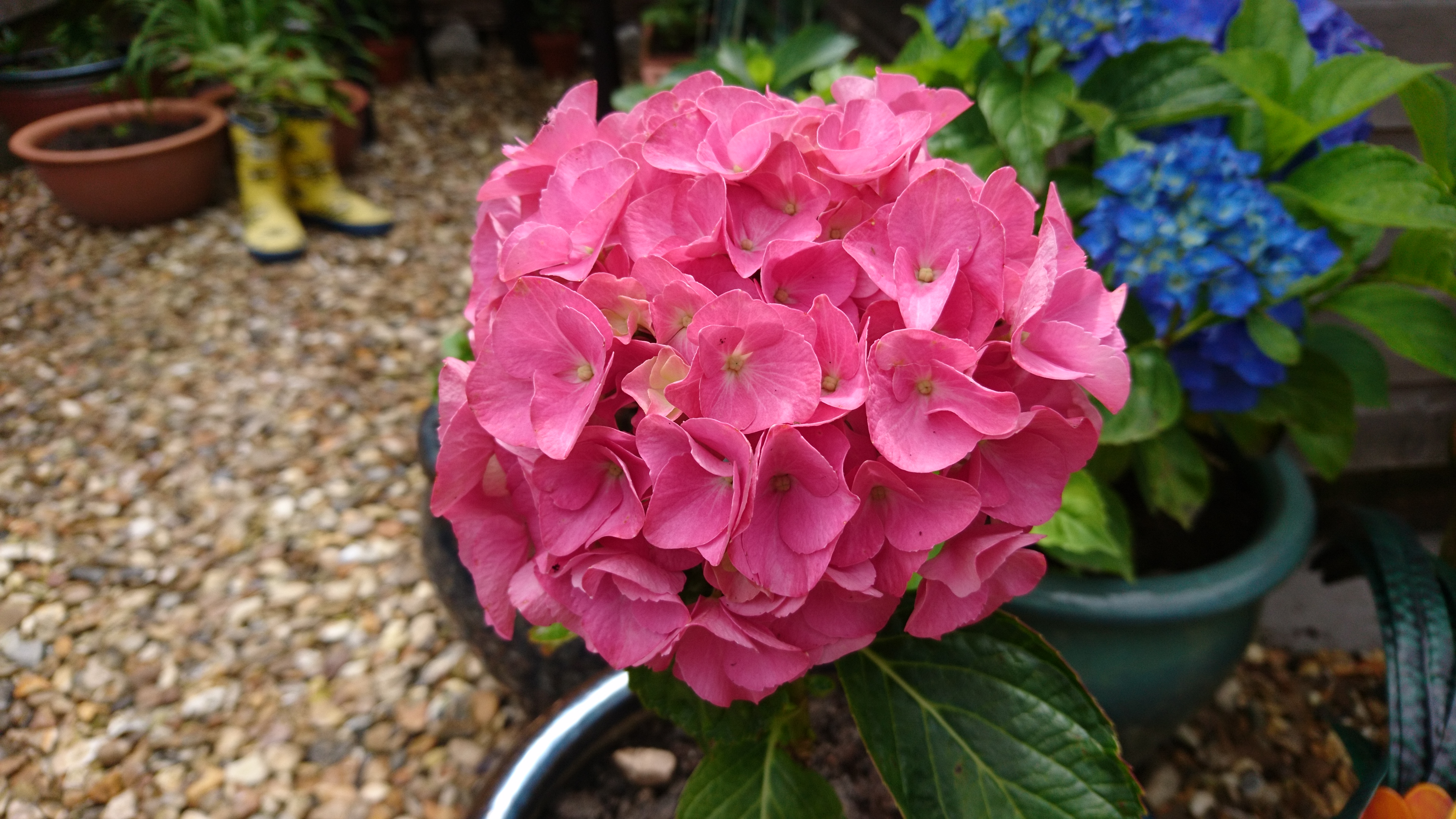
I also have a pink hydrangea, which I got by taking a cutting of my blue hydrangea and planting it in general purpose compost. The colours of the flower on this plant also vary and change throughout the lifetime of the flower.

hydrangea-mum

While changing the colour of hydrangea flowers is possible, it isn’t instant and not every hydrangea will change colour. It should also be noted that it’s easier to change blue flowers to pink than pink flowers to blue.

As the flowers of a hydrangea fade (they tend to go a bit grey when they are past their best), they should be deadheaded to encourage more flowers. During late summer, it is also easy to take hydrangea cuttings and you can learn how to do this below.

How to take hydrangea cuttings

Hydrangea flowers are attractive over the winter months too and they will help protect your plant from frost damage, if you leave them over the winter months.

hydrangea-12hydrangea-11

Common problems

There are few pests and diseases to be concerned about when growing hydrangeas. Those grown in pots may be prone to vine weevil attack and some plants can be damaged by frost as described above. Powdery mildew, leaf spot wilt and blight can also appear on hydrangeas. Common pests include aphids and red spider mites.

Hydrangea cuttings

I have had a hydrangea plant in my garden for many years now. It is a beautiful blue variety and I keep it that way with ericaceous soil and hydrangea colourant, both of which can be purchased in garden centres or online.

hydrangea-6

All photos by Toni Abram.
The plant is a real conversation starter, so a couple of years ago I decided to experiment to see if I could take cuttings to give to neighbours and was really happy to find how easy it is to do in just four easy steps.

Step one

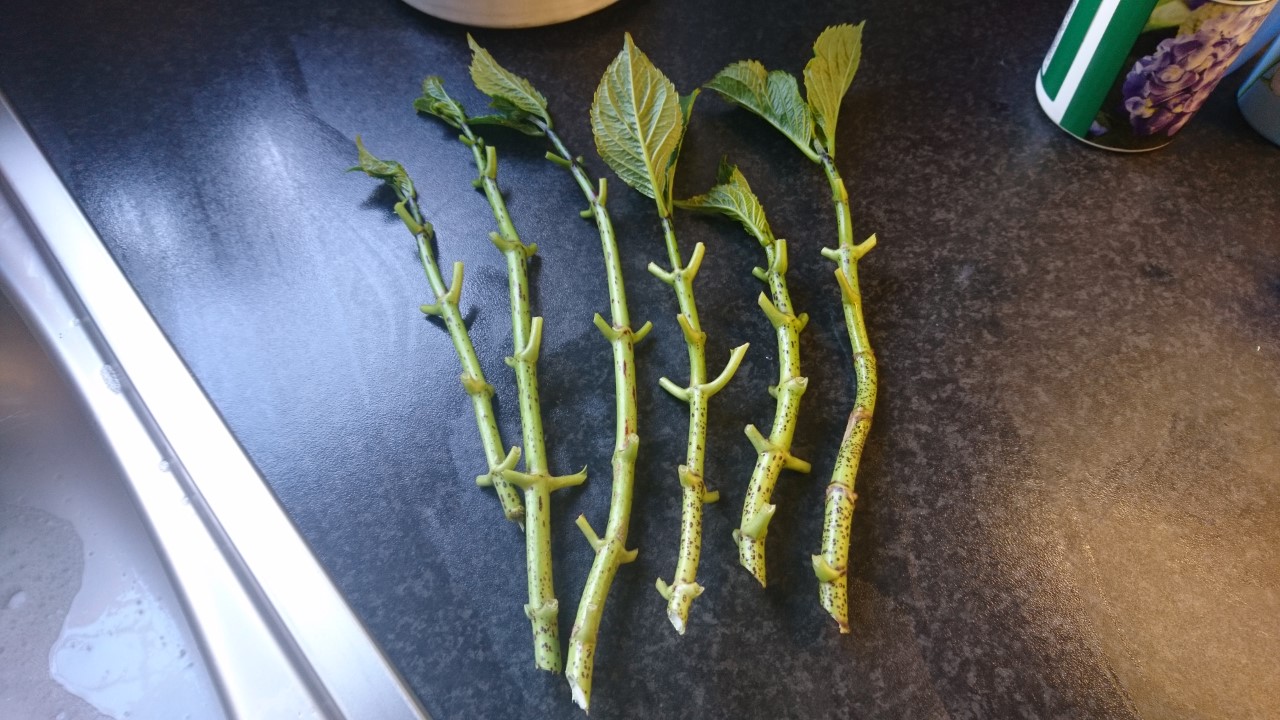
Take a cutting from a branch of the hydrangea about 5 – 6″ long just underneath a leaf node.

hydrangea-1

Step two

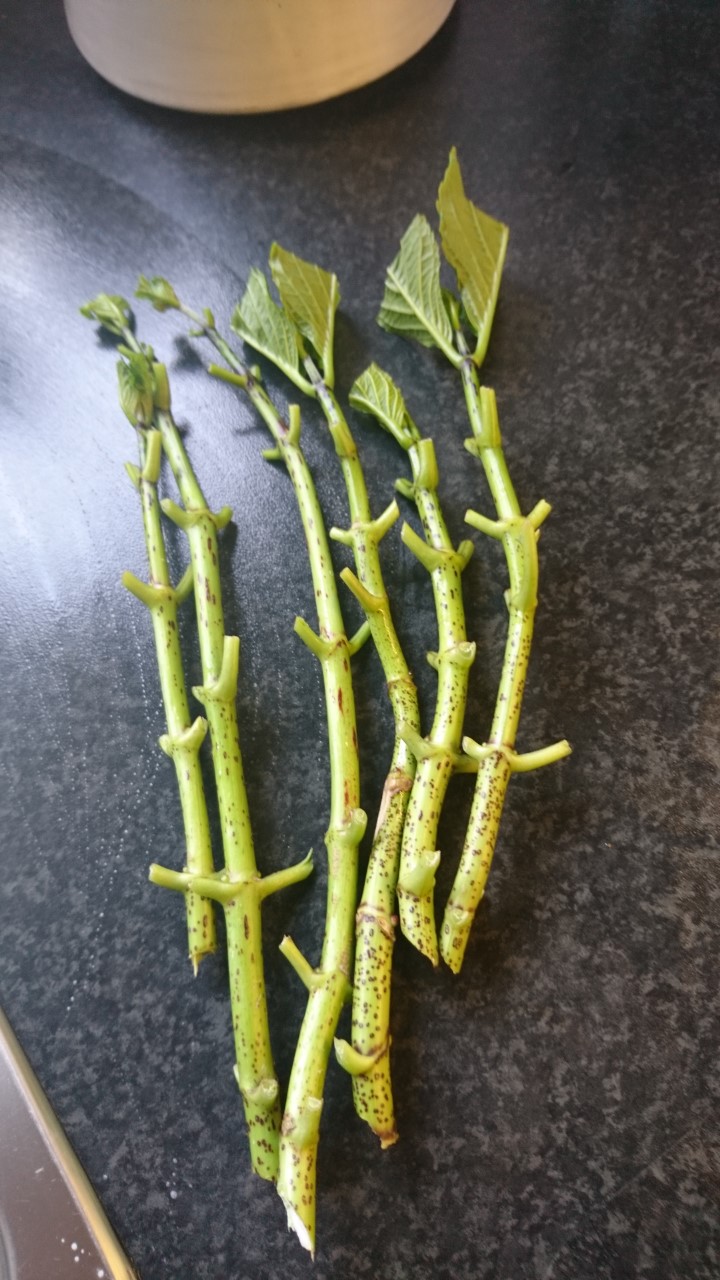
Remove all but the top two leaves.

hydrangea-2

Step three

Cut the remaining top two leaves in half.

hydrangea-3

Step four

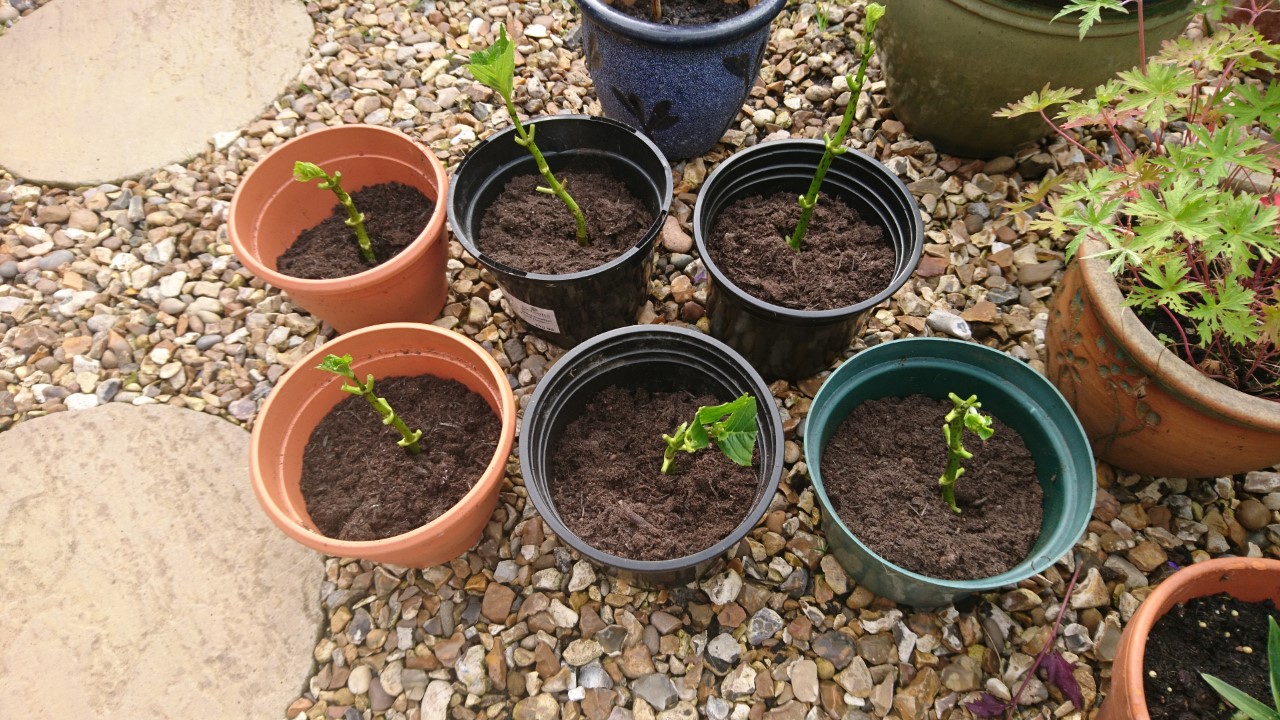
Plant and water cuttings (you can use rooting powder at this stage but I never have). The cuttings are best taken when the plant is looking its best – sometime from July onwards.

hydrangea-4

Don’t expect the cuttings to do anything much over the autumn/winter, however from March onwards you will begin to see new growth and you can expect to have a reasonable sized plant the following summer.

hydrangea-5

Echinacea

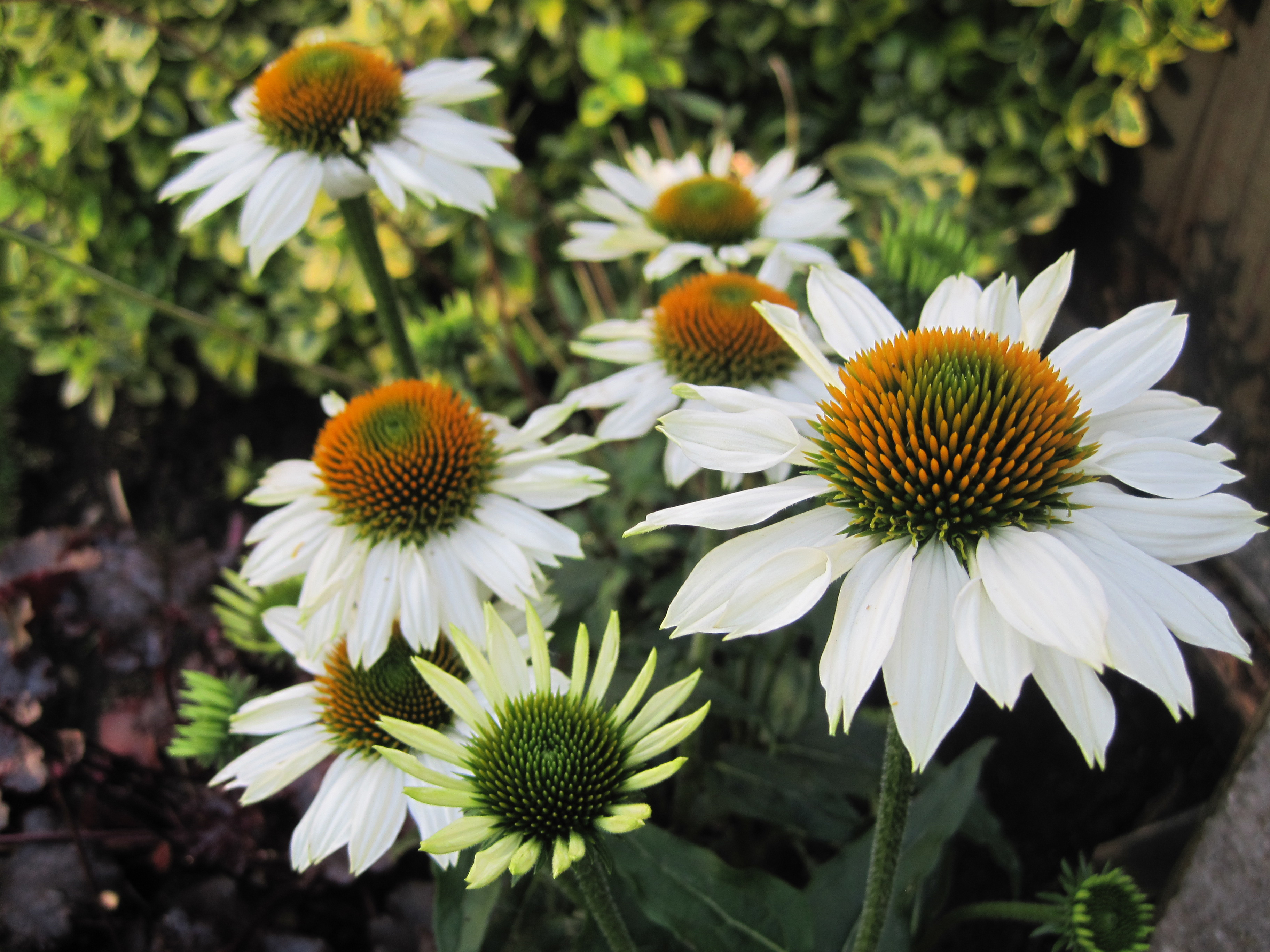
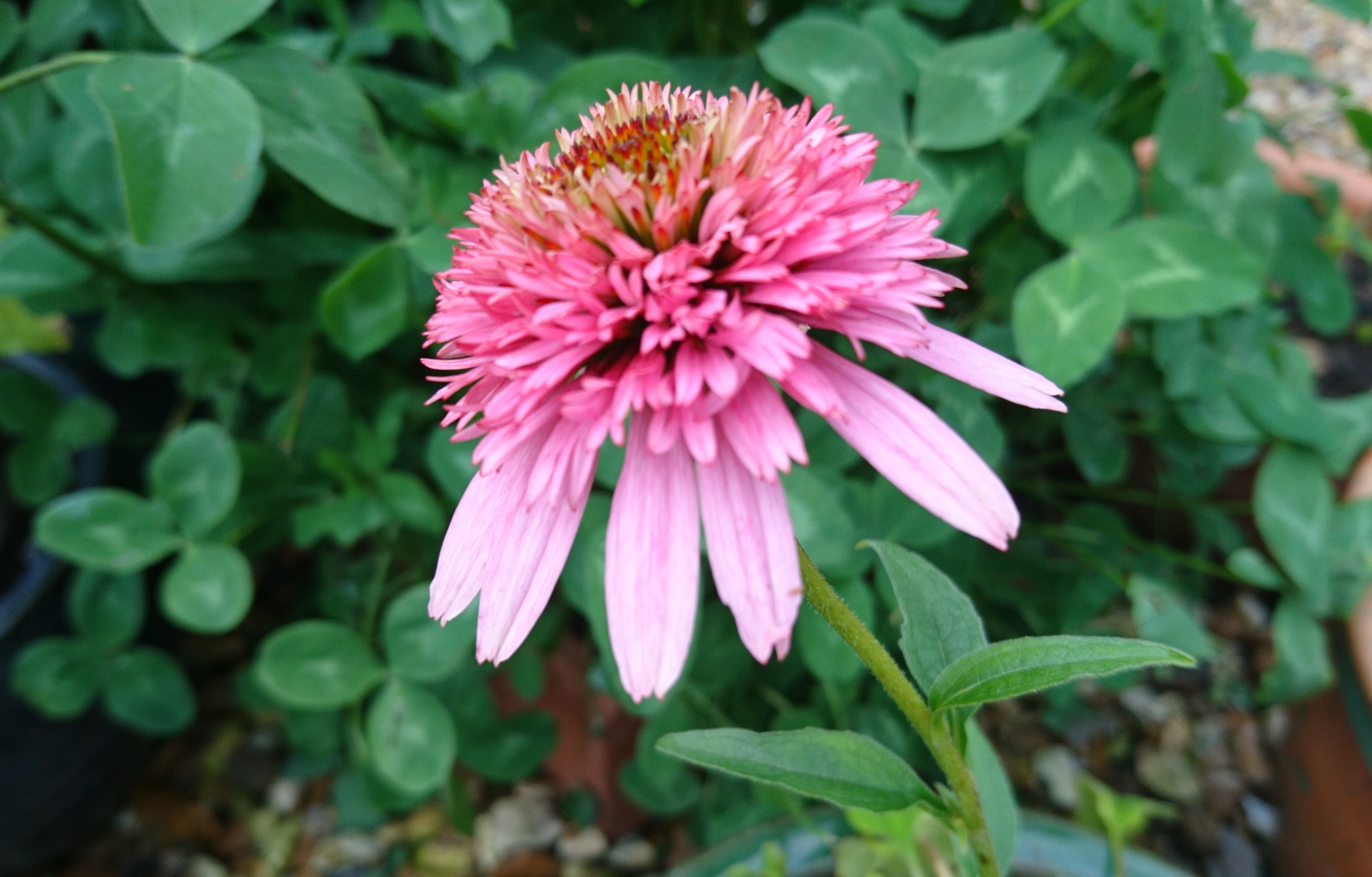
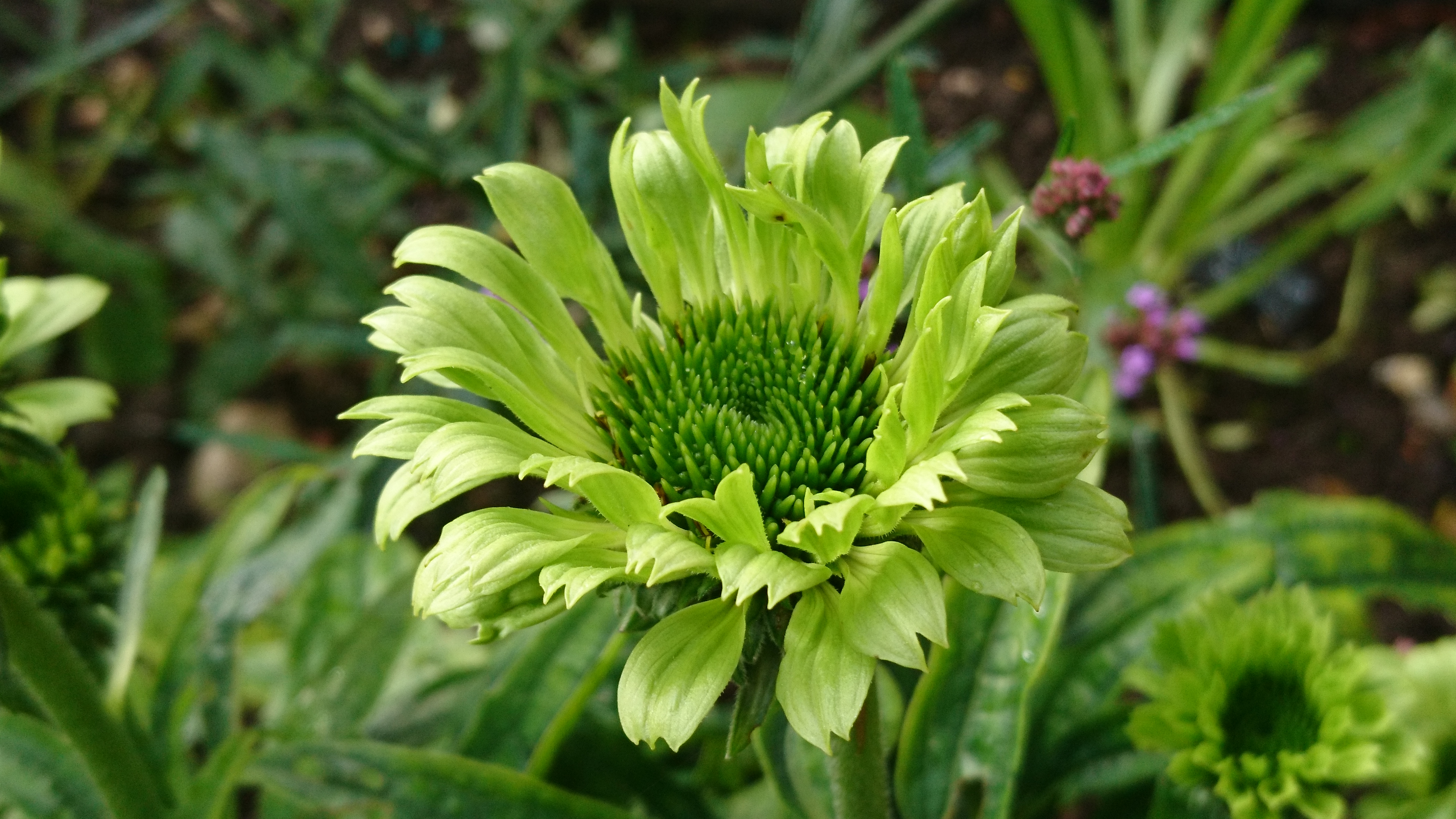
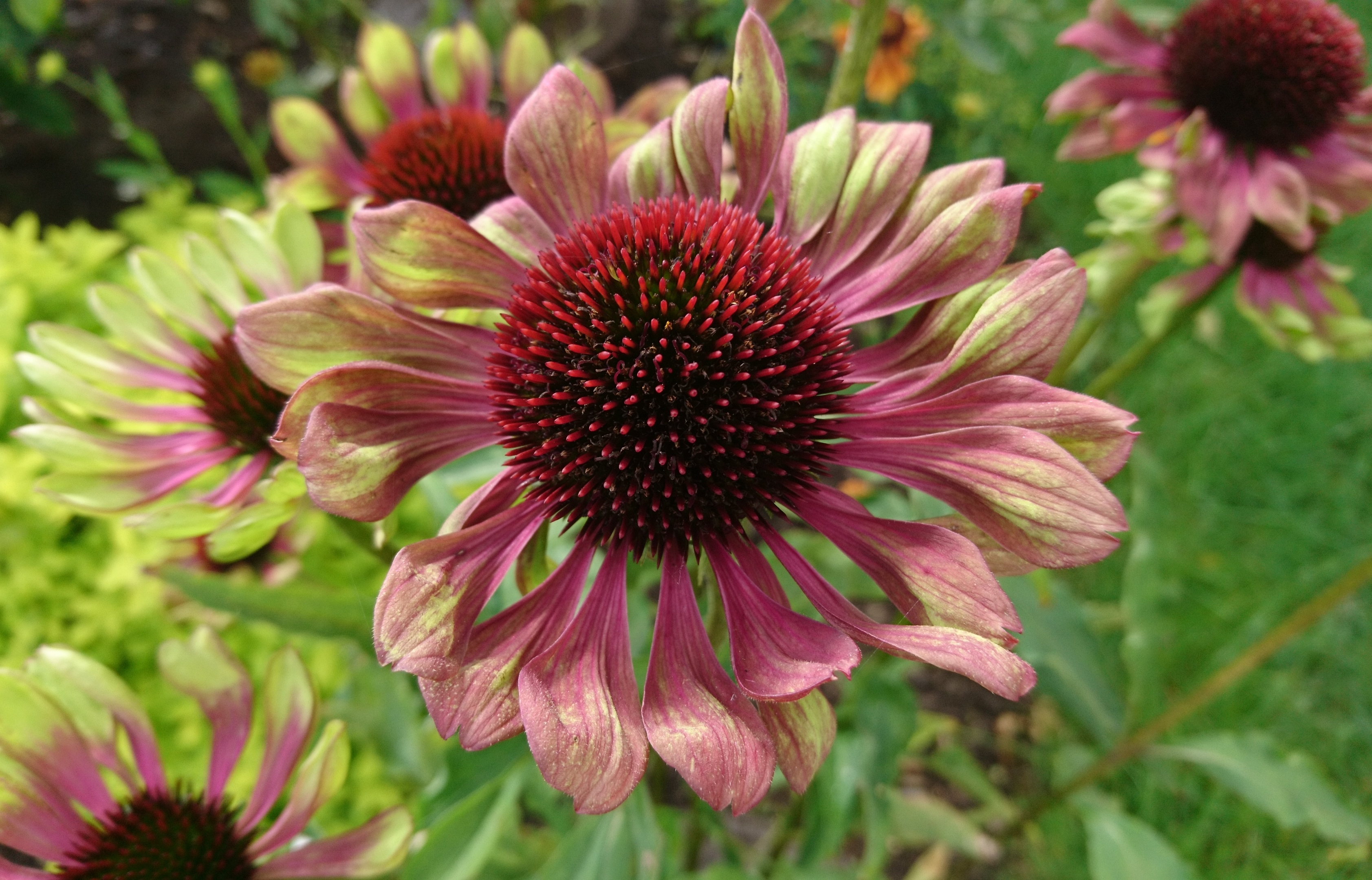
Echinaceas bloom in late summer. They have pronounced rounded centres (known as cones), horizontal drooping petals and are loved by bees and butterflies. There are many varieties and the plant is often used to help alleviate skin rashes and to boost the immune system.

All photos by Toni Abram.
lgdaisy1

Similar to heleniums, echinaceas have daisy like flowers but they are stiff stemmed and more robust looking, which means the plant should not need staking. They grow well in full sun and can tolerate drought due to deep taproots which enable them to store water.

pin-ech


Echinaceas can be grown from seed and should flower in their first year if planted by March but I have always purchased well grown plants from a garden centre or online.

They can be planted in pots or garden borders but once planted you should try not to disturb them – if you do have to move or divide them, spring is the best time and you must dig as large a root ball as you can manage around the plant and replant it immediately.

echinacea

Flowering time can be prolonged by cutting dead flowers back to a leaf where you can see a new bud developing, however towards the end of flowering, it is worth leaving some flowers on the plant to dry and go to seed for winter interest in the garden.

ech

A perennial plant, echinaceas die back over the winter months but will re-grow the following summer, spreading and self sowing each year.

Peas

Peas are incredibly easy to grow, so good to try your hand at if you are new to growing your own, as you can usually see them beginning to grow within a week of planting them.

All photos by Toni Abram.
pea-pod

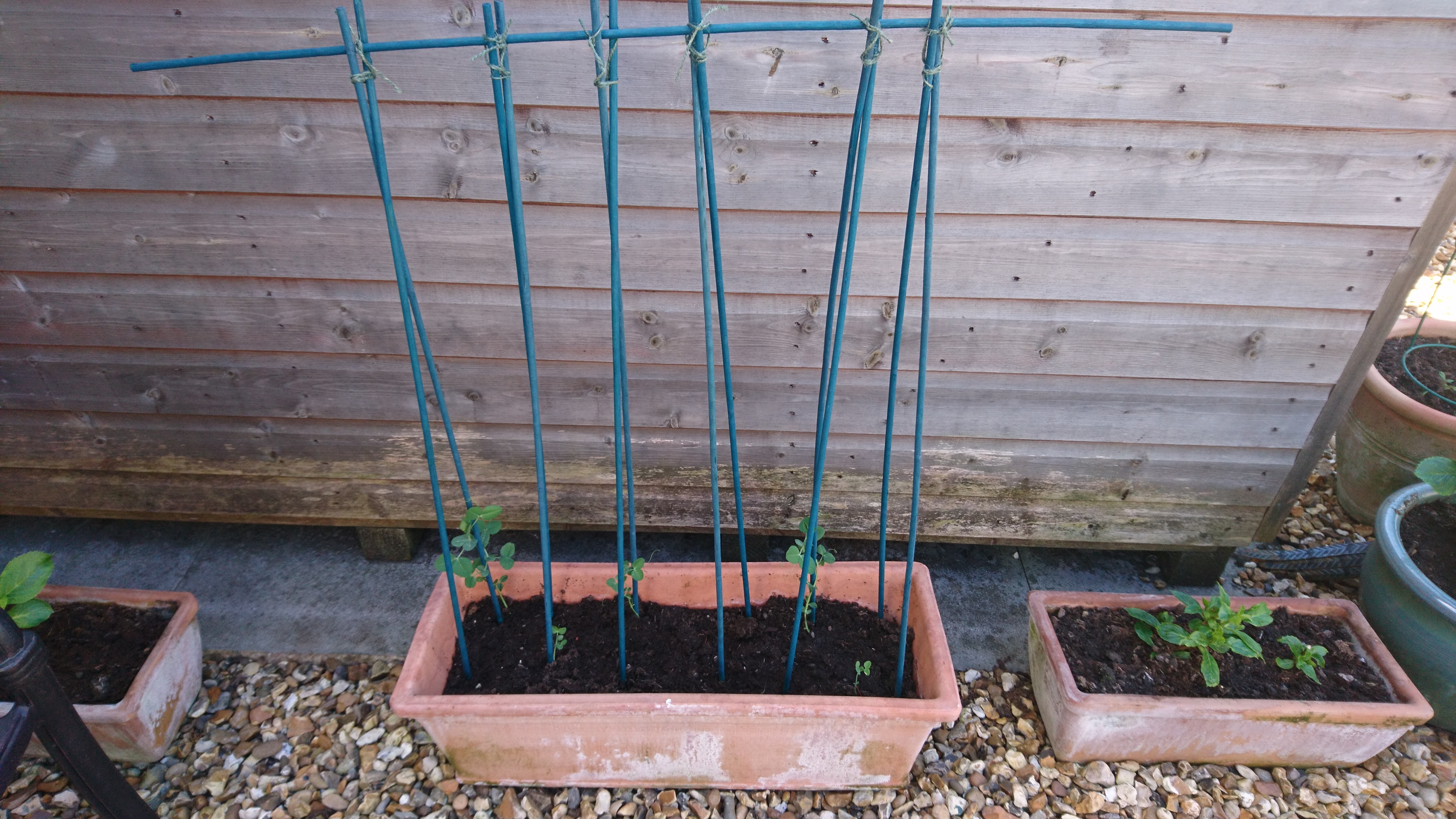
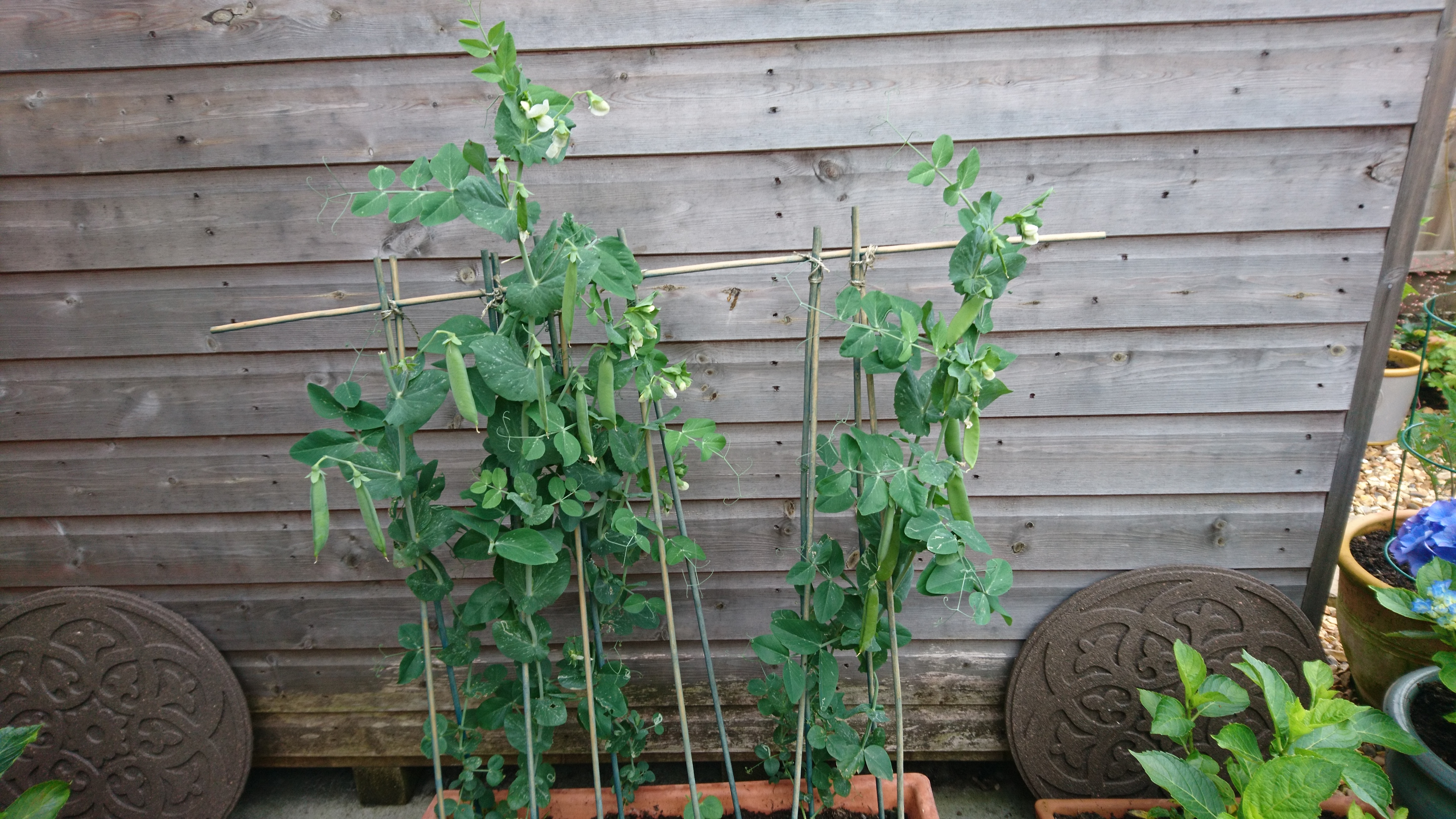
I have grown peas for a good few years now. Previously I have grown them up a wigwam type structure (if you have been watching Grow Your Own at Home this year, this is the way David Domony grew his) but this year I decided to live dangerously and instead planted my peas in a row, in a trough. I was a bit concerned about the size of the trough and that my plants wouldn’t get enough sunlight where the trough is situated in the garden but I need not have worried, they grew just fine.

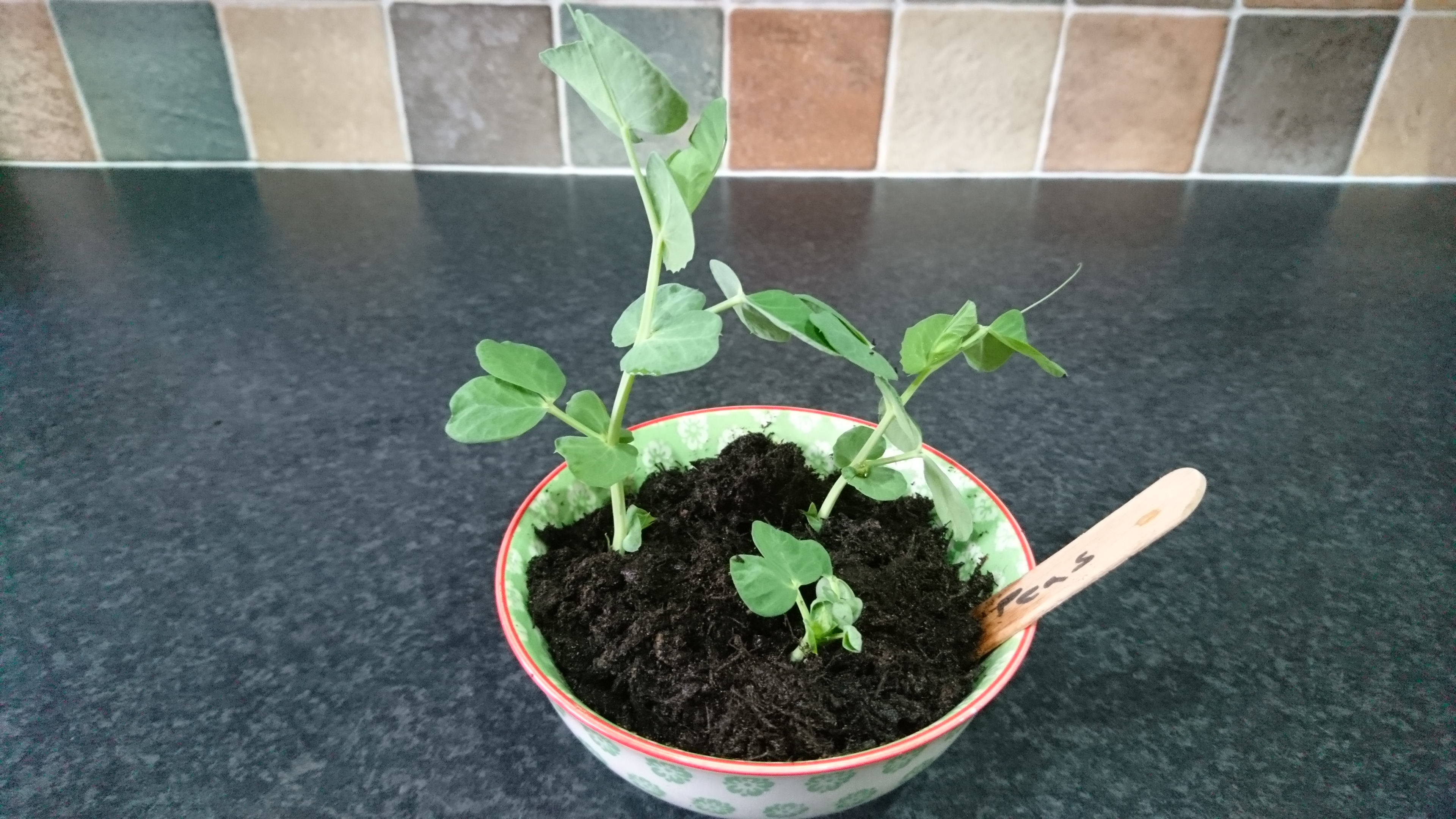
I started my peas off in small pots in the kitchen and when they got to a good size, I planted them outside, each time planting some more in the house.

peas-pot


I tied some garden canes together to make a framework for my peas to grow up and it made it easy to see which plants were doing well and which were struggling.

peas-trough

pea-flowers

The plan had been to do successional planting (sowing little and often so I didn’t get a glut or a shortage), meaning that I would have peas for best part of the summer but something got a taste for them and many times I found myself replacing once healthy plants that got eaten overnight.

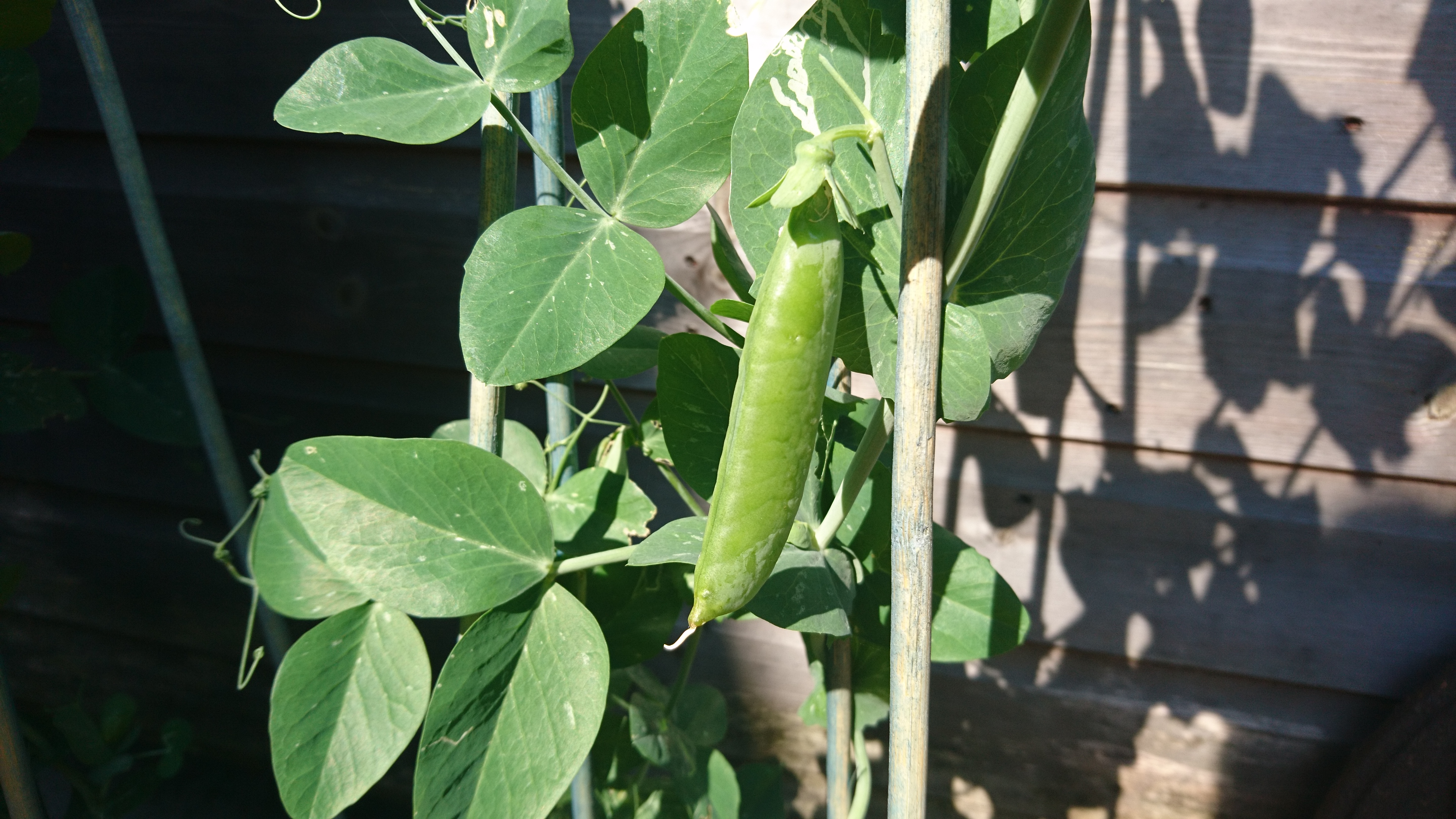
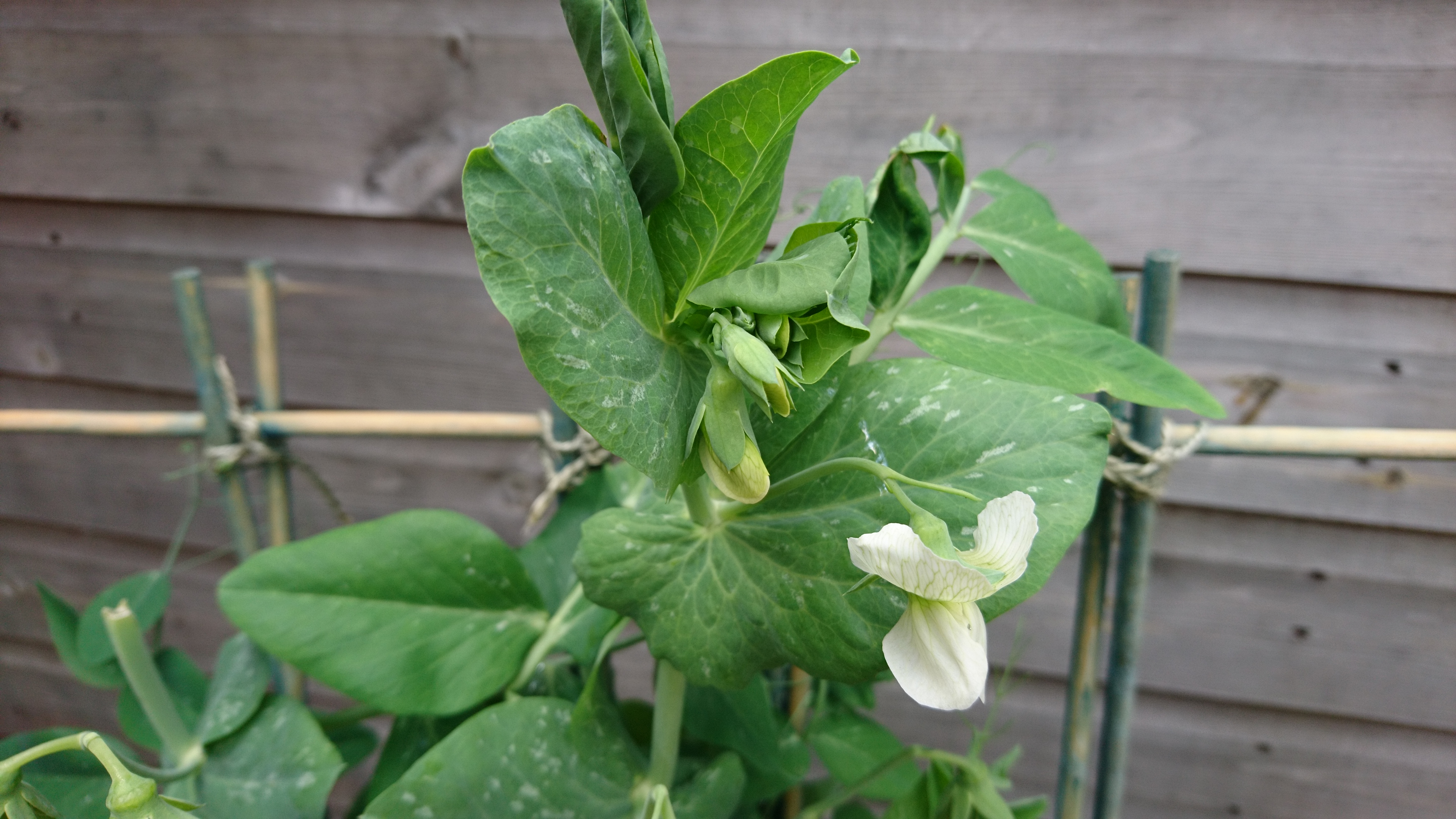
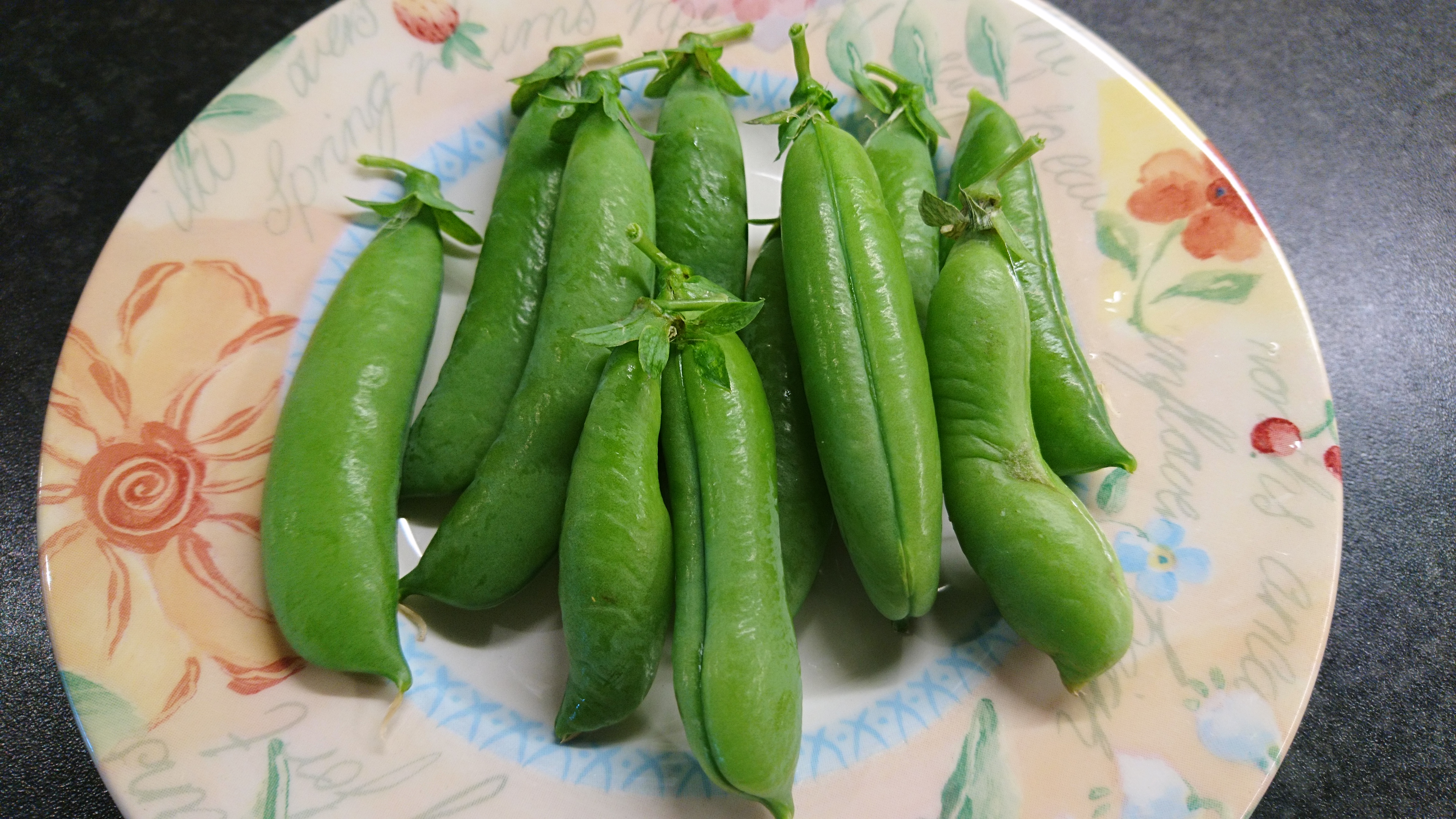
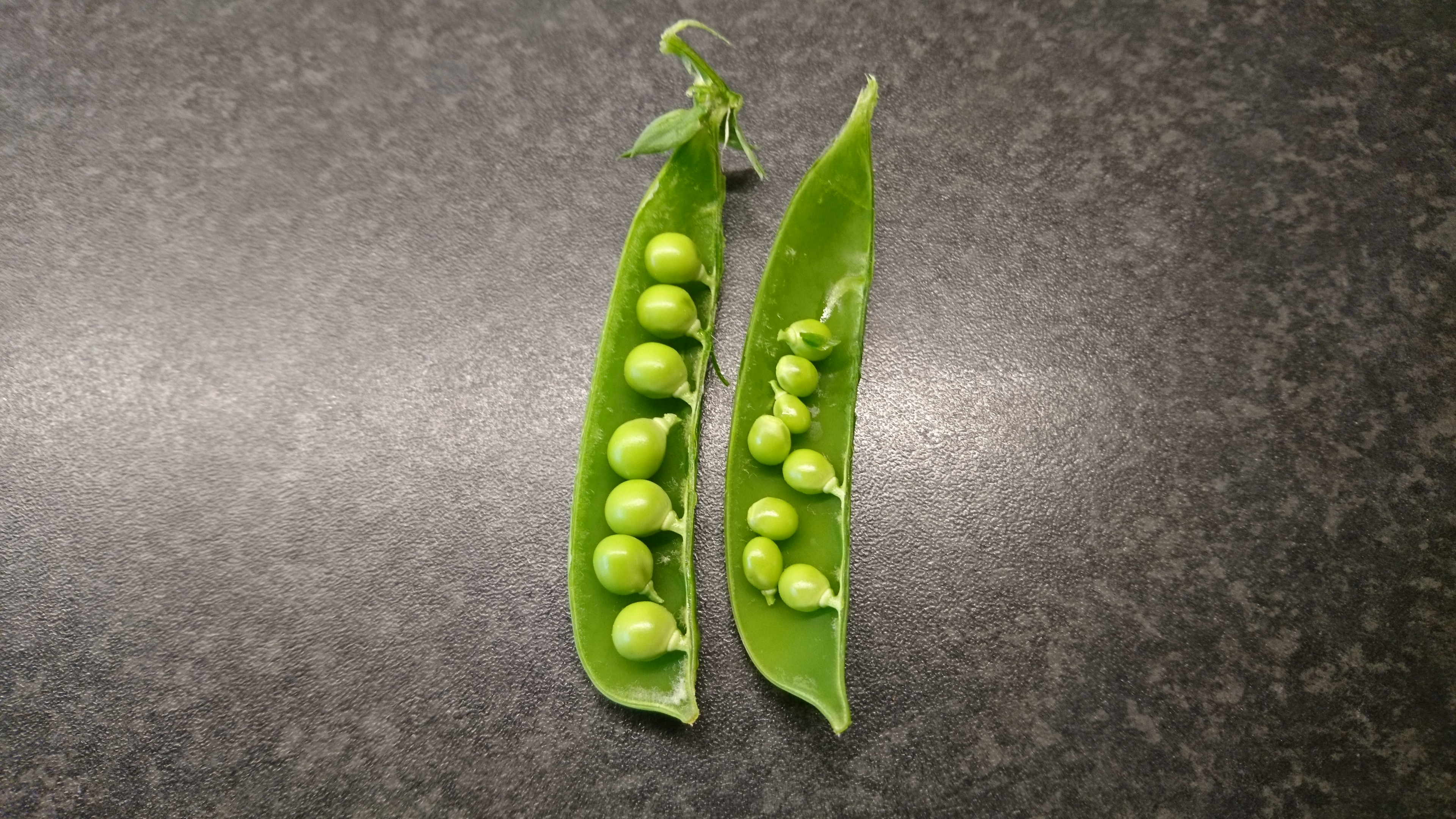
Towards the end of June, flowers appeared and soon afterwards my plants became heavy with pea pods. It is always very tempting to want to eat the peas as soon as the pods appear but if you can stop yourself from eating them, you will get bigger and fatter peas.

pea-pods

pea-plants

Home grown peas taste amazing, I happily eat mine straight from the pods and would definitely encourage anyone with an interest in growing their own produce, to have a go at growing their own  too.

pea-pods-4
pea-pods-3
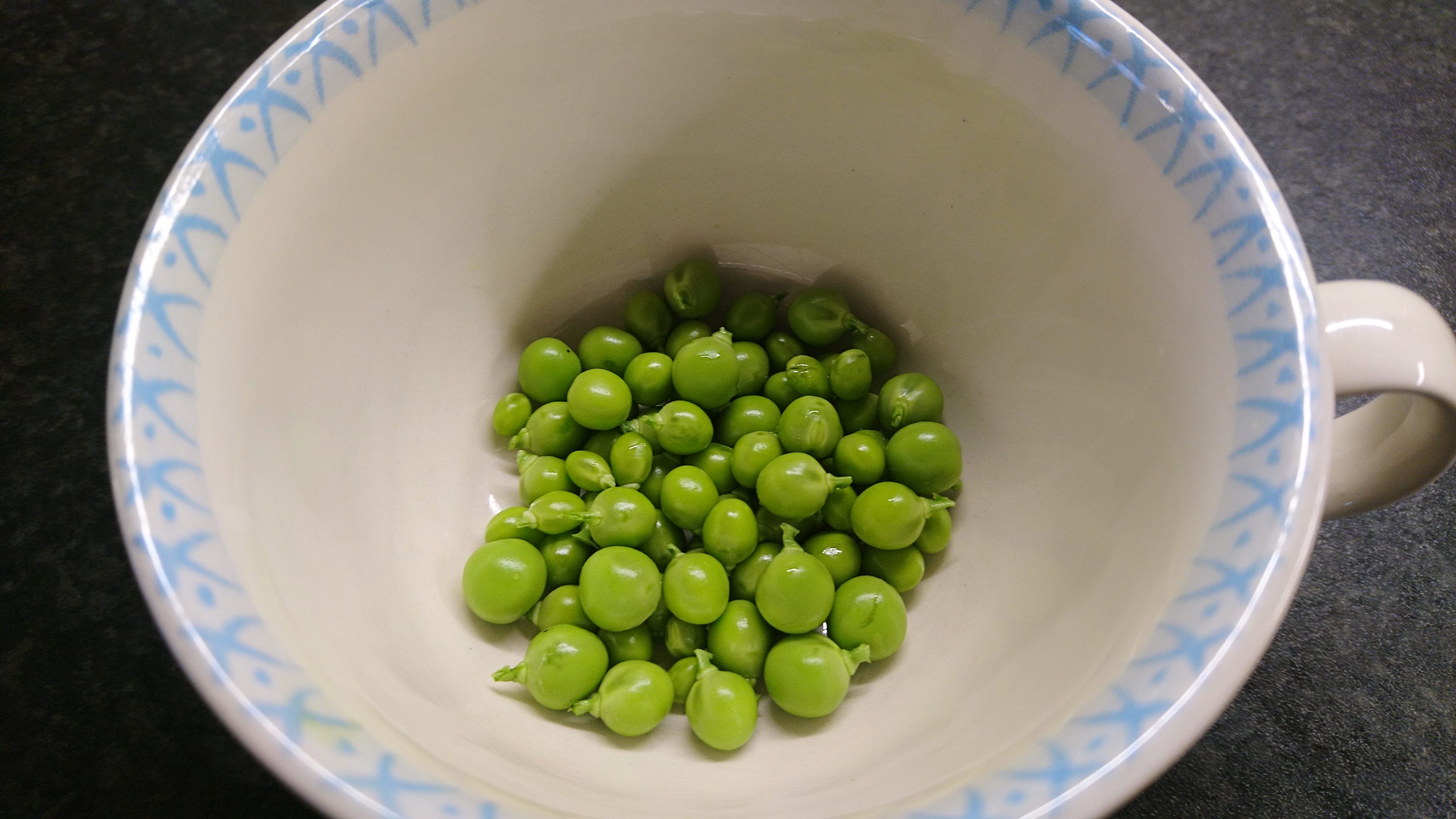
peas


Strawberries

This year I decided to grow strawberries for the first time. I love strawberries so was really excited to have a go at growing my own.

All photos by Toni Abram.
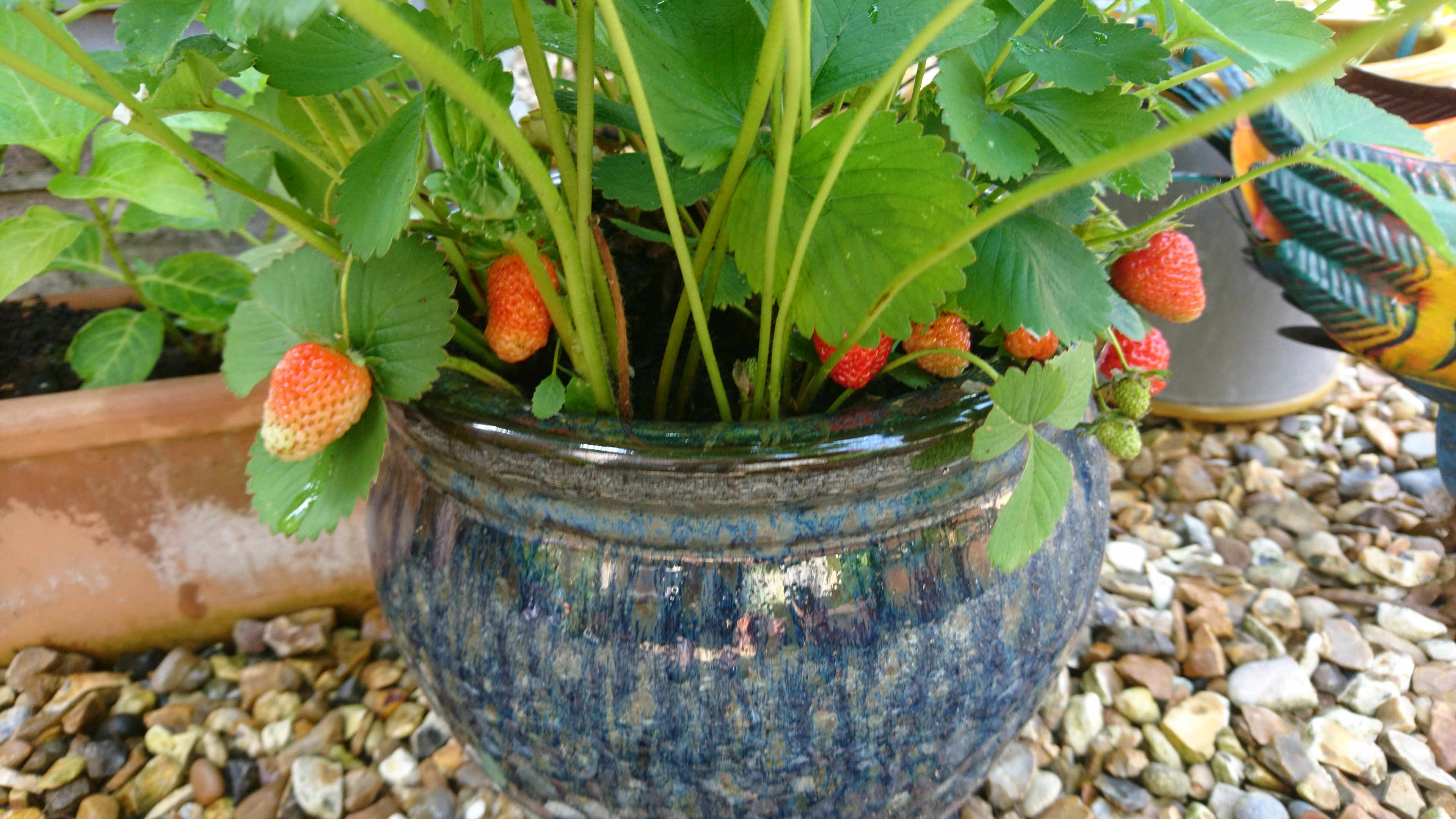
strawberries-3


I purchased a variety of bare root plant called ‘Strawberry Florence‘. Bare root plants are dormant perennial plants that are stored without any soil around their roots and because of this, they weigh less and are easier for the seller to ship.

I didn’t decide until June that I wanted to grow strawberries, so I chose the variety because they have a late season harvest. Producing fruit from June/July, the variety is said to be a prolific cropper with exceptional pest and disease resistance. Also it is well suited to growing in containers which because I only have a small garden, is perfect.

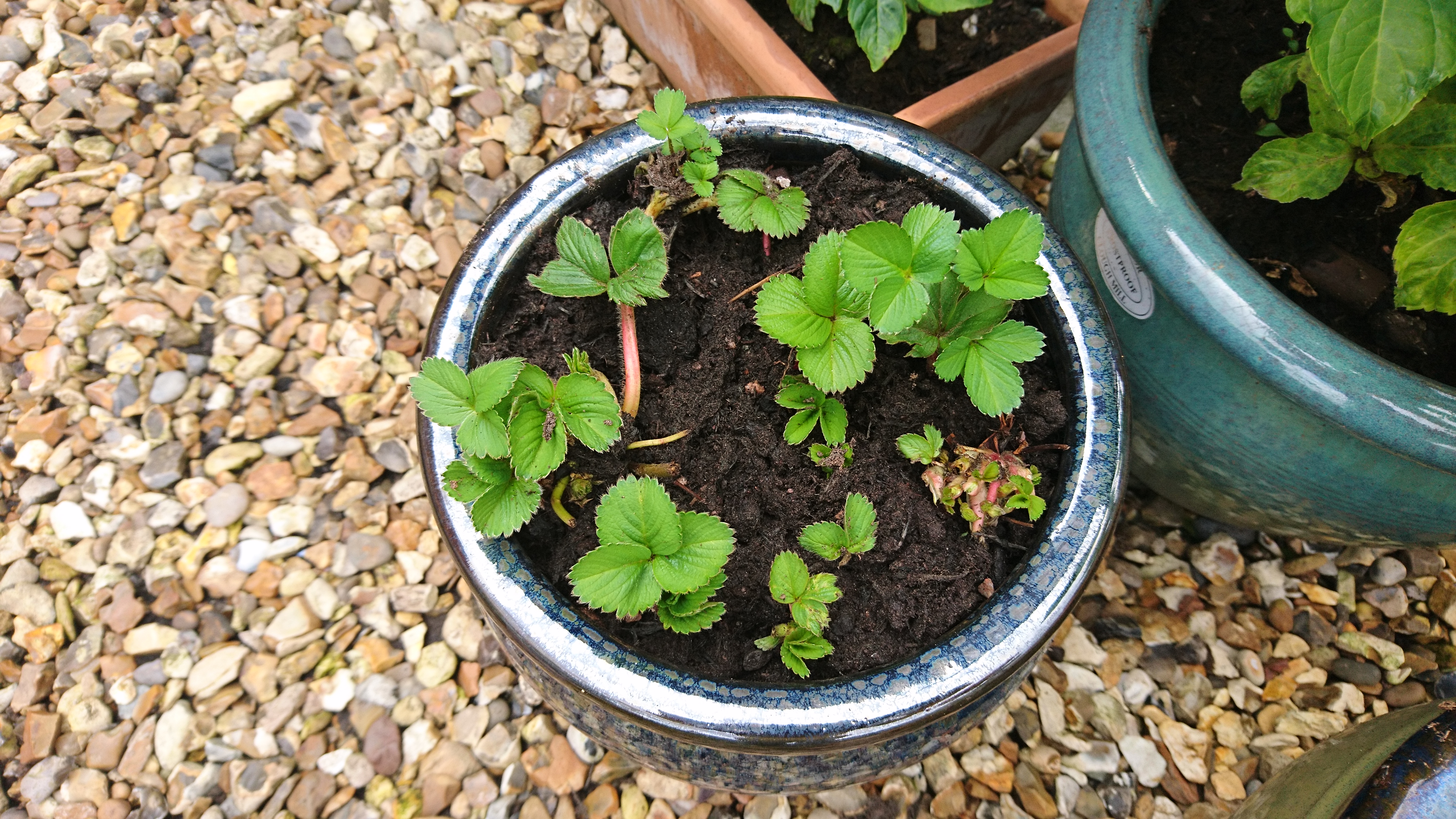
The plants arrived in a parcel, similar in size to an A4 envelope and slightly thicker to accommodate a narrow plastic tray in which the plants had been placed. Having never purchased a bare root plant before I did wonder what on earth I had been sold when I saw what was inside. The plants looked like clip in hair extensions – really tatty ones that needed to be removed, with only the smallest sign of leaf growth. I wasn’t convinced that I would get any strawberries from these funny looking things but ever one for a challenge, I got on with planting them straight away. To my amazement, a few days later all the plants looked as if they had grown.

stawberries-1

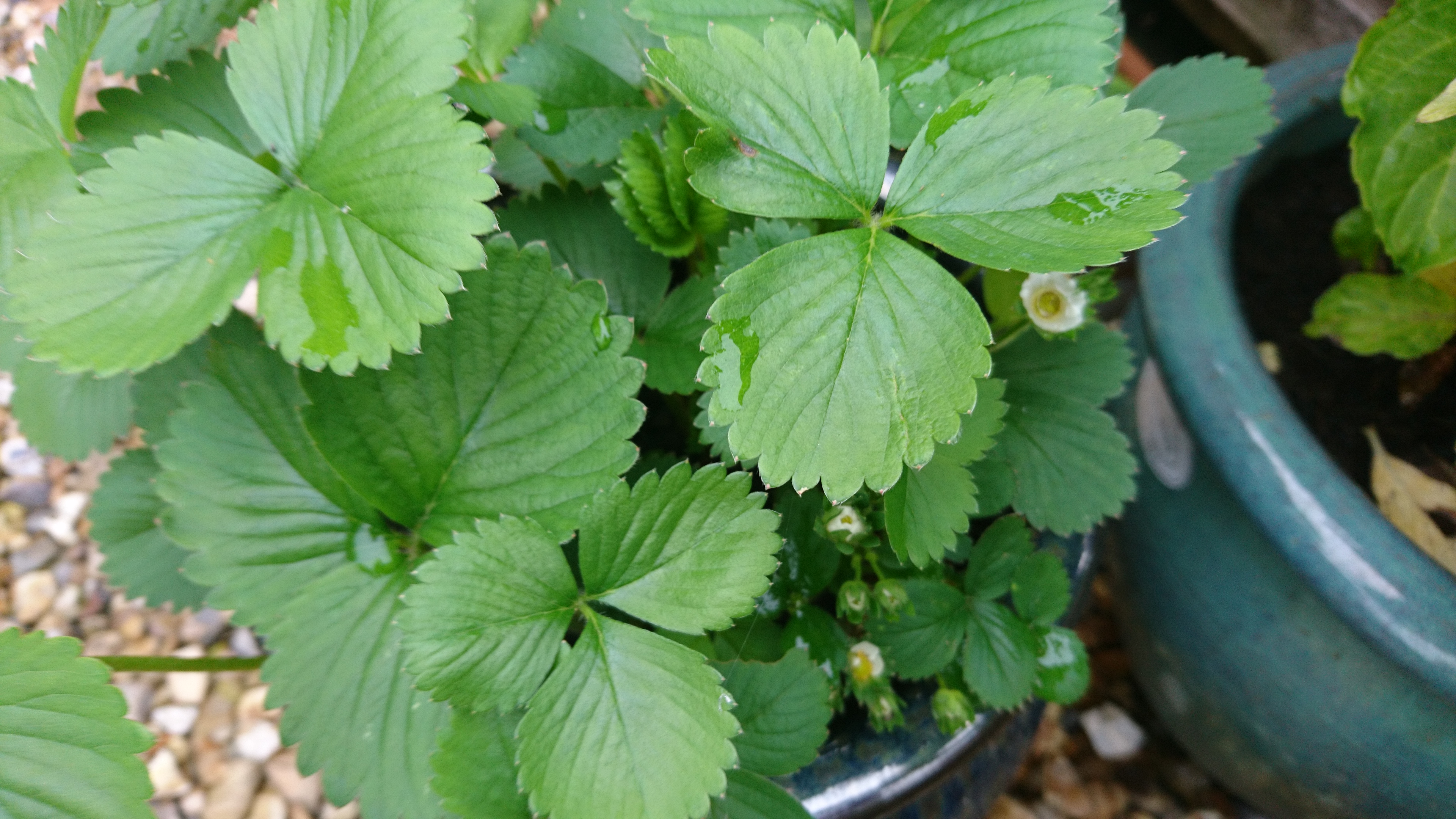
And within a couple of weeks I had a pot full of healthy strawberry plants.

stawberries-2

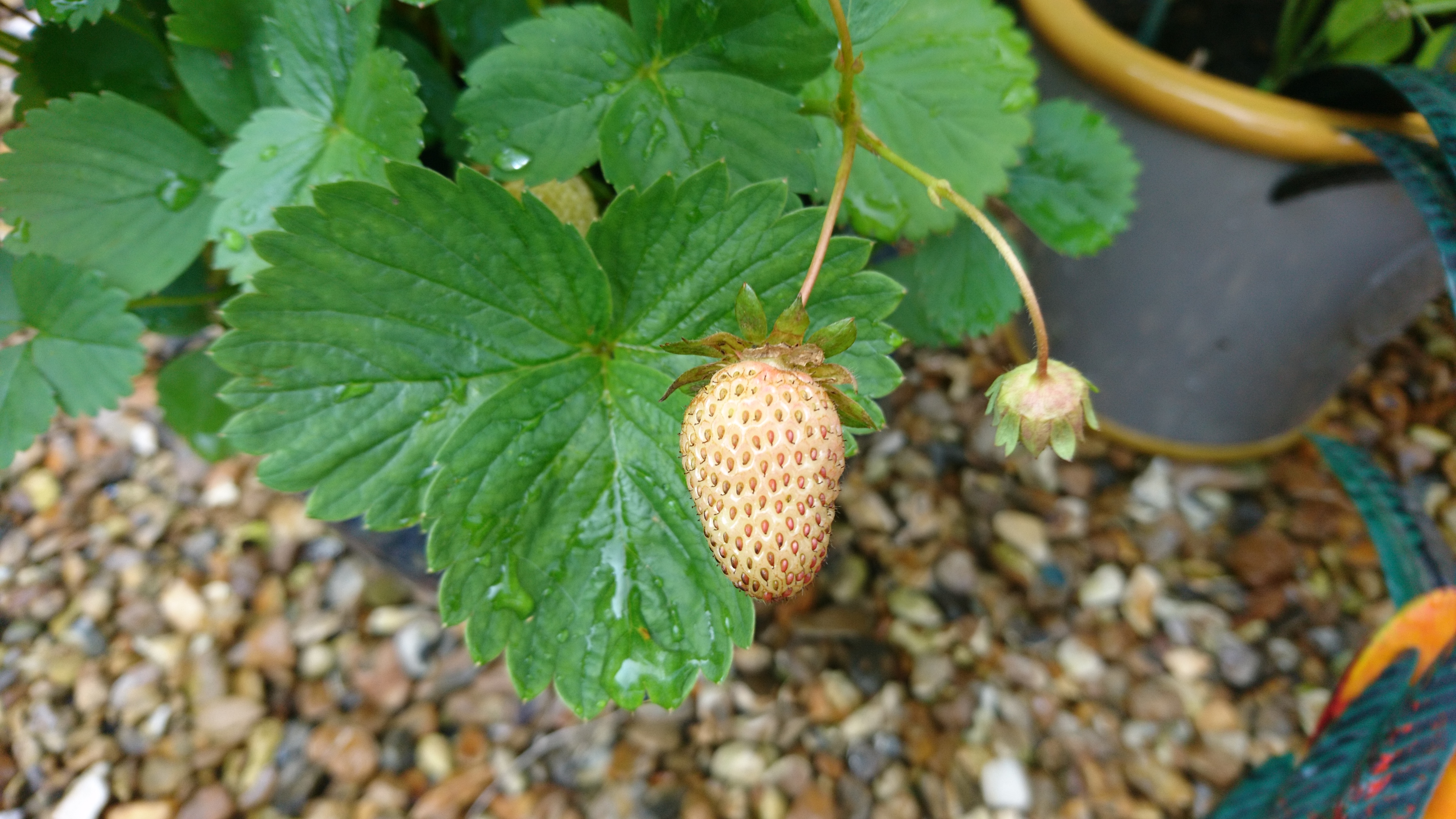
White flowers followed shortly afterwards.

strawberries-6


strawbrries-5

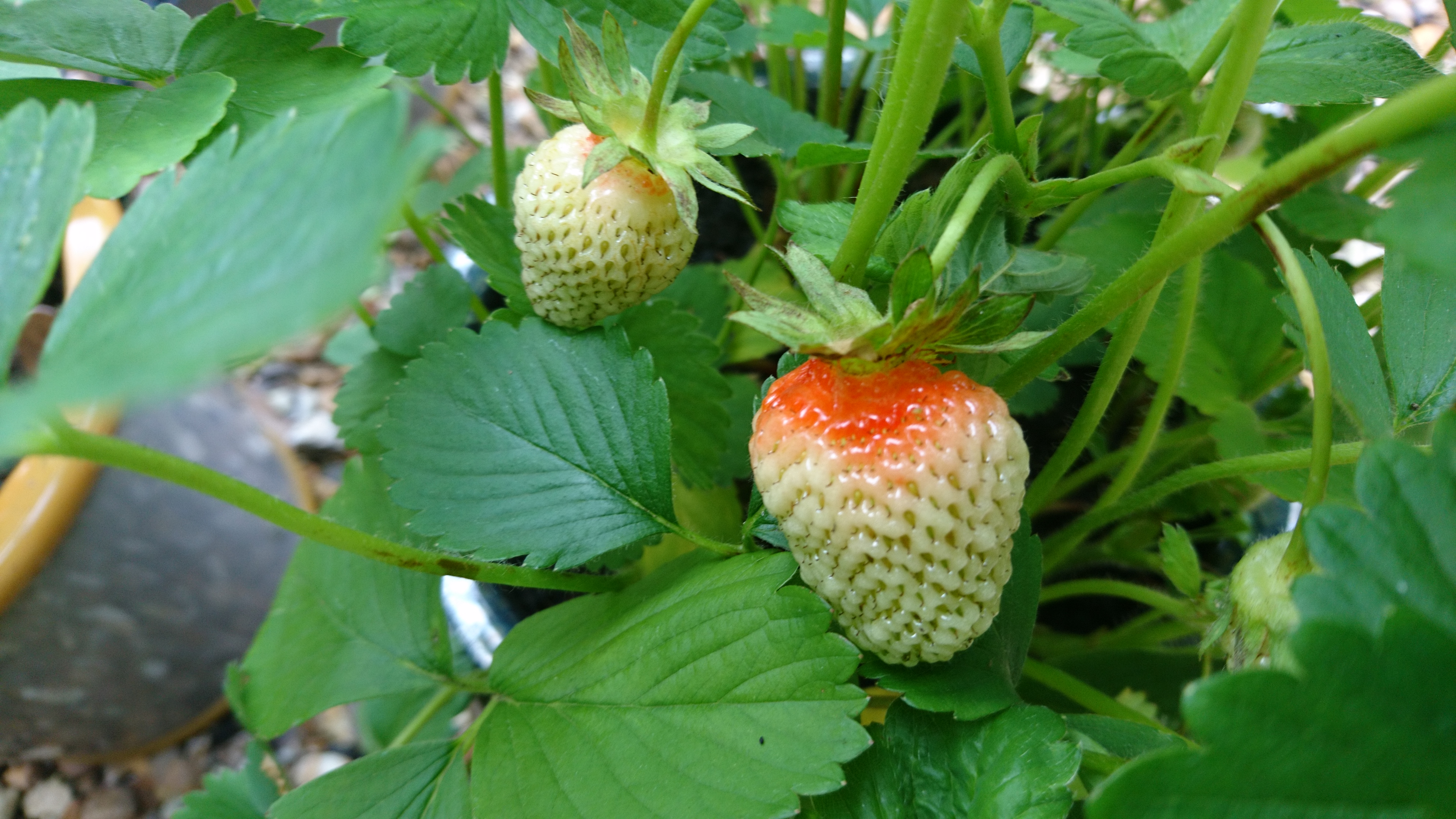
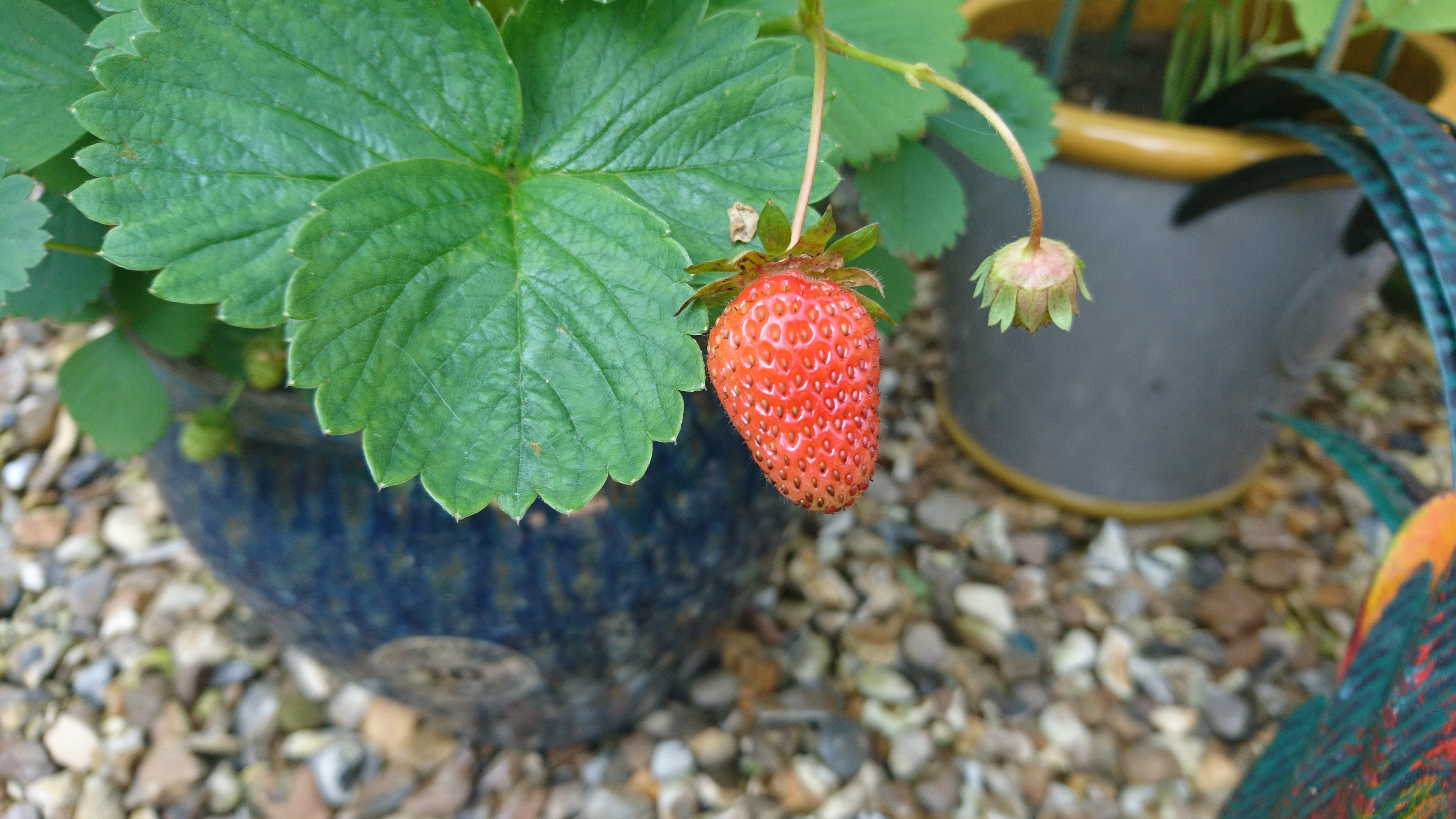
And in early August I saw my first strawberry, which was accompanied by a few days of hot weather, in which it seemed the strawberries turned red before my eyes.

first-strawberry


strawberry

strawberry-2


This summer I have been trying to encourage birds to my garden and I really wasn’t sure strawberries and birds were compatible but at the time of writing this, I seem to have got away with it. The verdict … very quick and easy to grow, can be grown in small spaces and the excitement of seeing the little red fruits appear is really quite special. 

Further information

For further information about growing strawberries, visit the RHS website below.


Primula Vialli

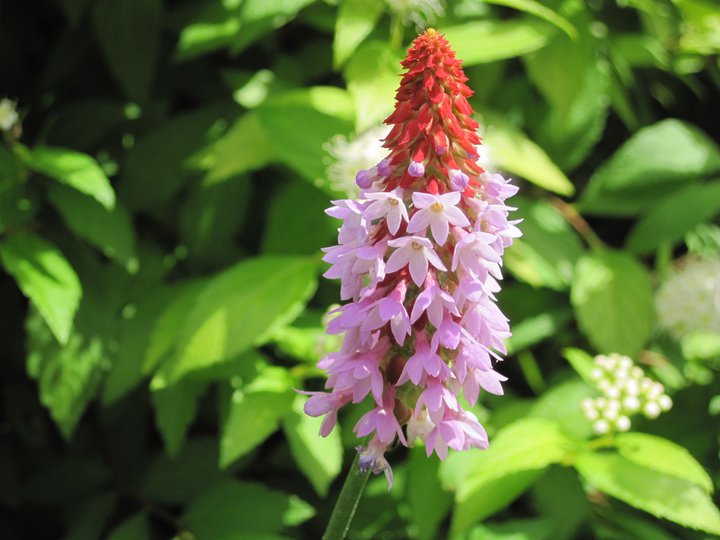
Originating from China, Primula Vialli (also known as Vial’s primrose, the orchid primrose and the red hot poker primrose) is an unusual shaped flower with red tipped and lilac flowers, which typically blooms in June and July.

All photos by Toni Abram.
Garden


Primulas belong to a huge family of plants. Probably the most recognisable of these are the primroses and polyanthus seen in gardens in early spring but primulas come in many sizes, shapes and colours, as can be seen on the Gardenia website below.
Believed to have been discovered in the Yunnan mountains by Pierre John Marie Delavey (1834 – 1895), a french missionary, botanist and collector of plants, the flowers Latin name, honours another Yunnan missionary, Paul Vial (1855 – 1917).

Primula vialli flowers are short lived but mass plantings create a spectacular effect and its  nectar/pollen rich flowers will attract bees and butterflies to your garden. The rocket shaped flowers which grow to approximately 40 cm high and 1 cm wide, remind me of rocket ice lollies from when I was young,

The plant is perennial and dies back to below ground level each year (so make a note of where you plant it before it disappears), before fresh new growth appears in the spring. It grows best in partial shade but will tolerate sun.

A recipient of the Award of Garden Merit from the RHS, a less dramatic variety of this plant, called Alison Holland, was was discovered by an 85 year old amateur gardener called John Holland in his Northumberland garden and was a finalist in the RHS chelsea flower show plant of the year competition in 2016.are short lived but mass plantings create a spectacular effect and its  nectar/pollen rich flowers will attract bees and butterflies to your garden. The rocket shaped flowers which grow to approximately 40cm high and 1cm wide, remind me of rocket lollies from when I was young,

The plant is perennial and dies back to below ground level each year (so make a note of where you plant it before it disappears), before fresh new growth appears in the spring, it grows best in partial shade but will tolerate sun.

A recipient of the Award of Garden Merit from the RHS, a less dramatic variety of this plant, called Alison Holland, was was discovered by an 85 year old amateur gardener called John Holland in his garden in Northern England.

Oriental poppies

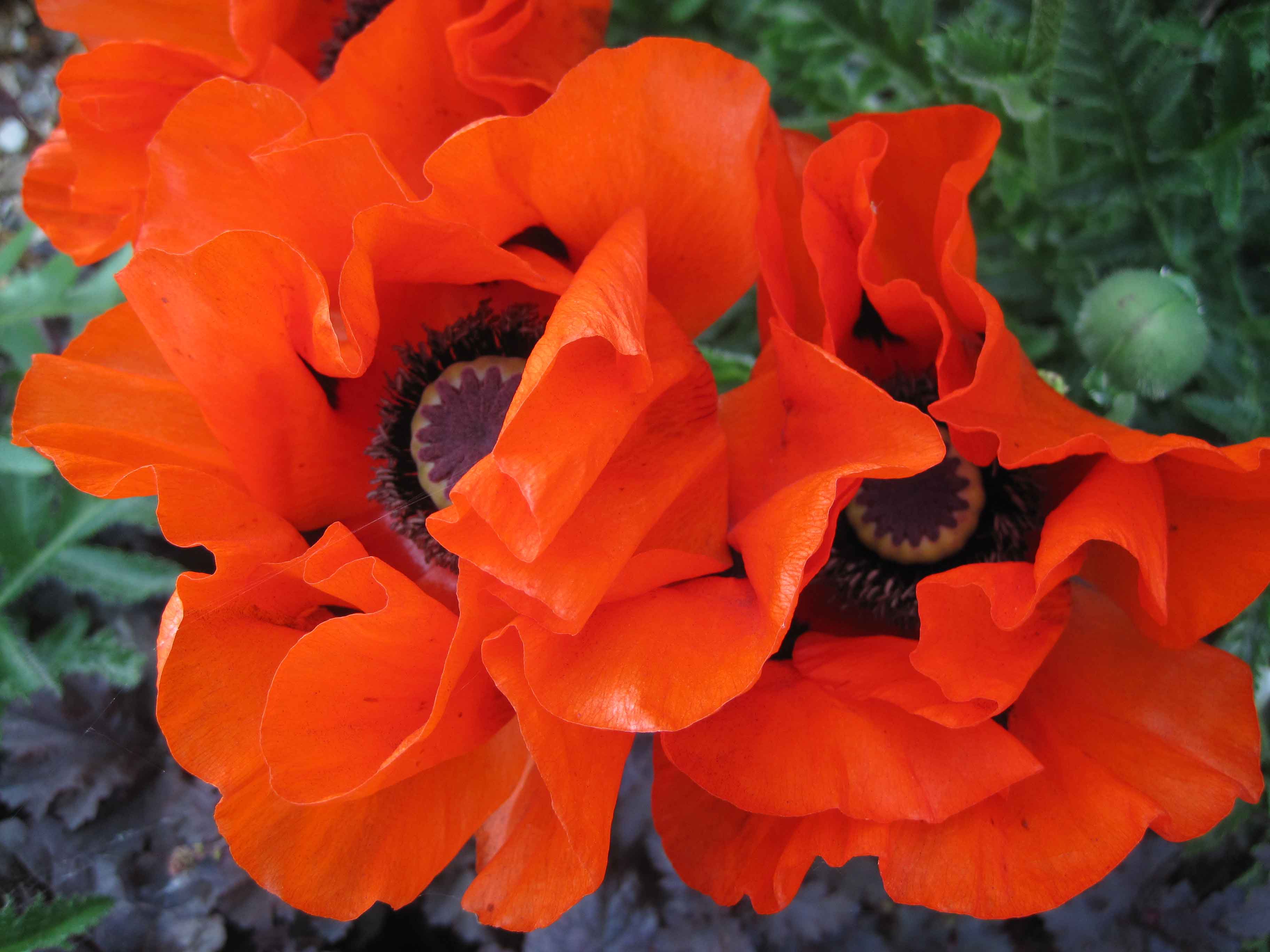
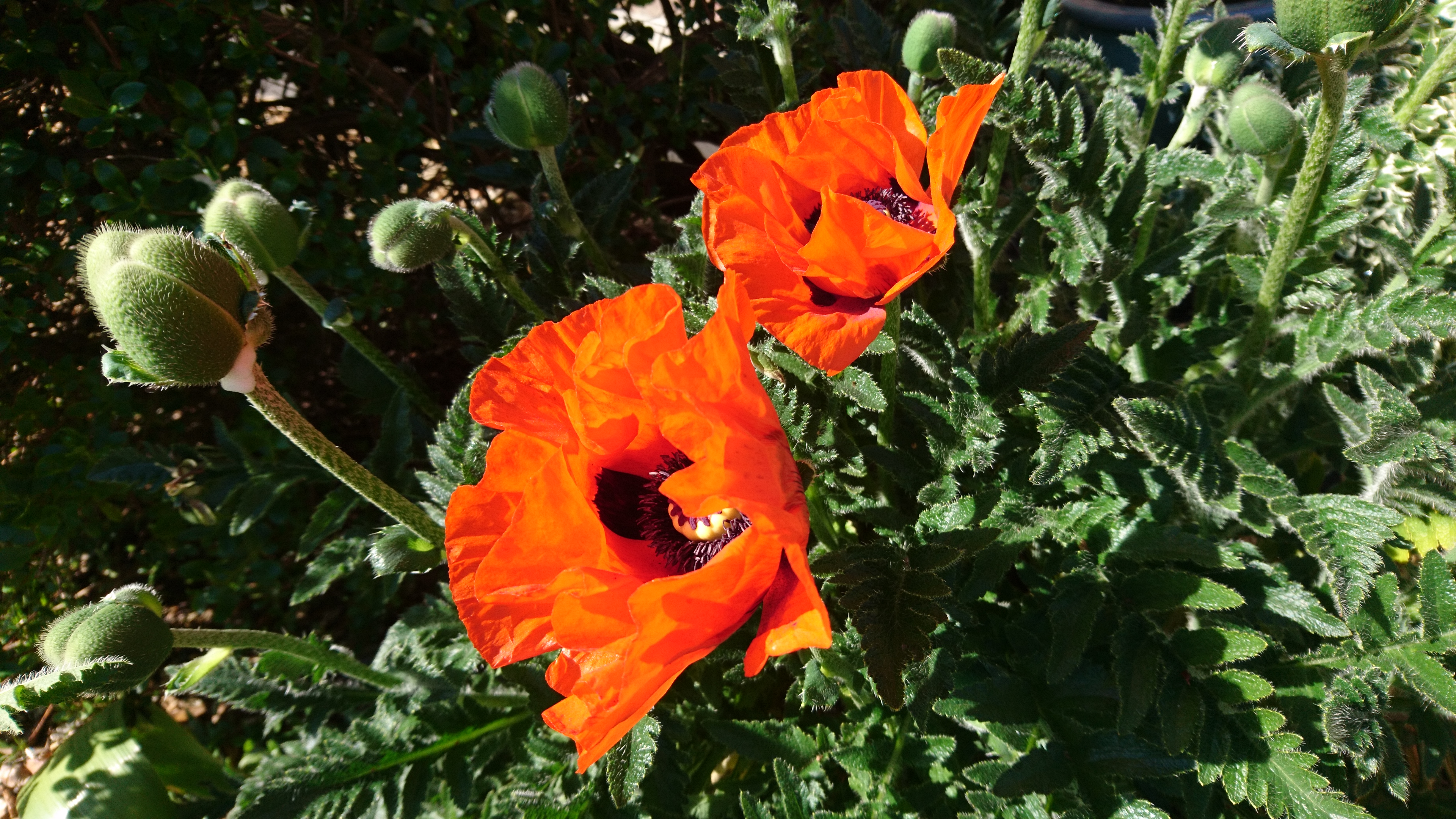
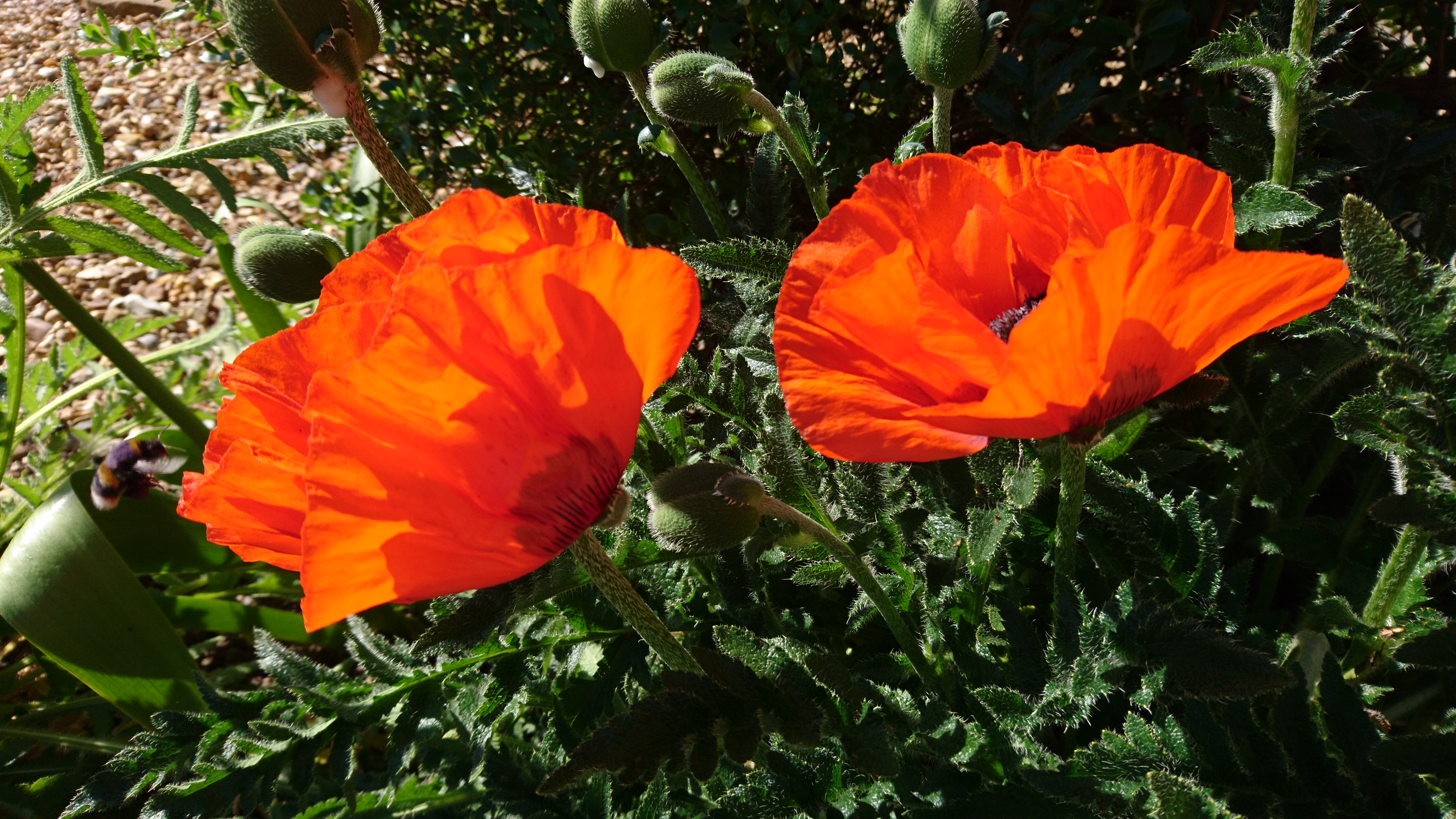
In my garden I have grown oriental poppies for many years.  When they bloom, they look like giant brightly coloured saucers and the bees think all their birthdays have come at once.  

All photos by Toni Abram.

poppy-2

My poppies were purchased from a garden centre as good sized plants, however you can buy poppy seeds.

I have orange and red poppies planted in my garden borders. Poppies can also be gown in pots, which will contain them and stop them from taking over the garden but they provide good ground cover and I have come to love the sight of poppies on mass.

poppy-buds

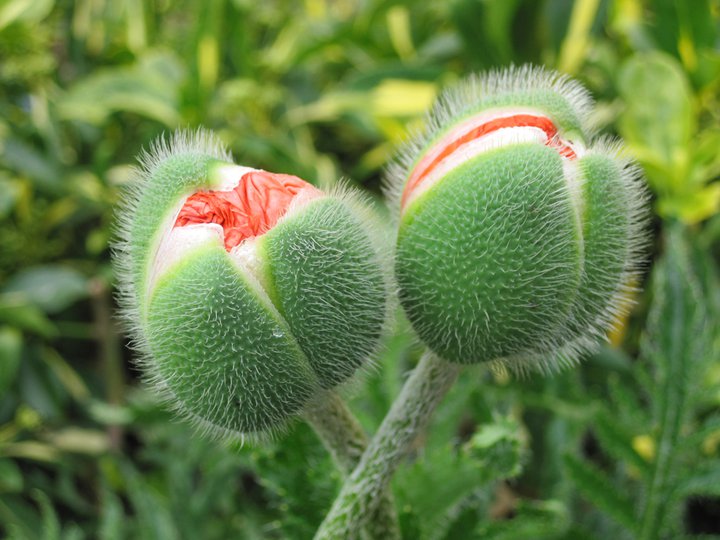
Oriental poppies bloom from early May onwards, they have delicate petals that up close look like tissue paper and prior to flowering they develop big fat flower buds that remind me of horse chestnuts. They don’t flower for that long and being tall they are vulnerable to wet and windy weather but if you cut them right down to the ground after flowering, they will grow back almost immediately and you can often have a second flowering later in the year. At this stage you can also dig sections of the plant up for planting elsewhere or give them away as small plants.

poppies-2

Cutting poppies back does mean you will have an empty space in your borders for a while but they tend to look quite untidy after flowering, so it neatens things up. Plant your poppies at the back of  your border, with other plants in front and it will disguise the hole and any messiness.

poppies-1

Passion Flower

I have grown a passion flower in my garden for a number of years now, which I purchased as a small plant from a garden centre. Passion flowers can be grown from cuttings and from seed too, however growing from seed is not easy and the plants can take over a decade to flower.

All photos by Toni Abram.

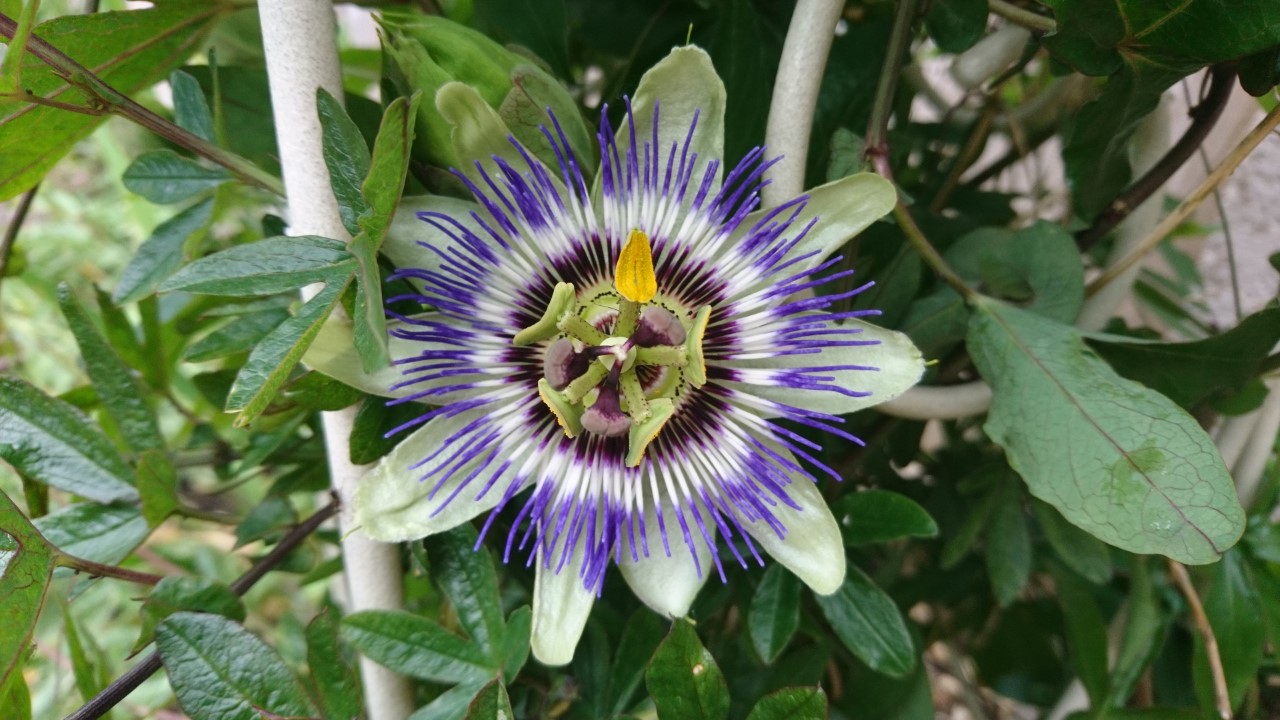
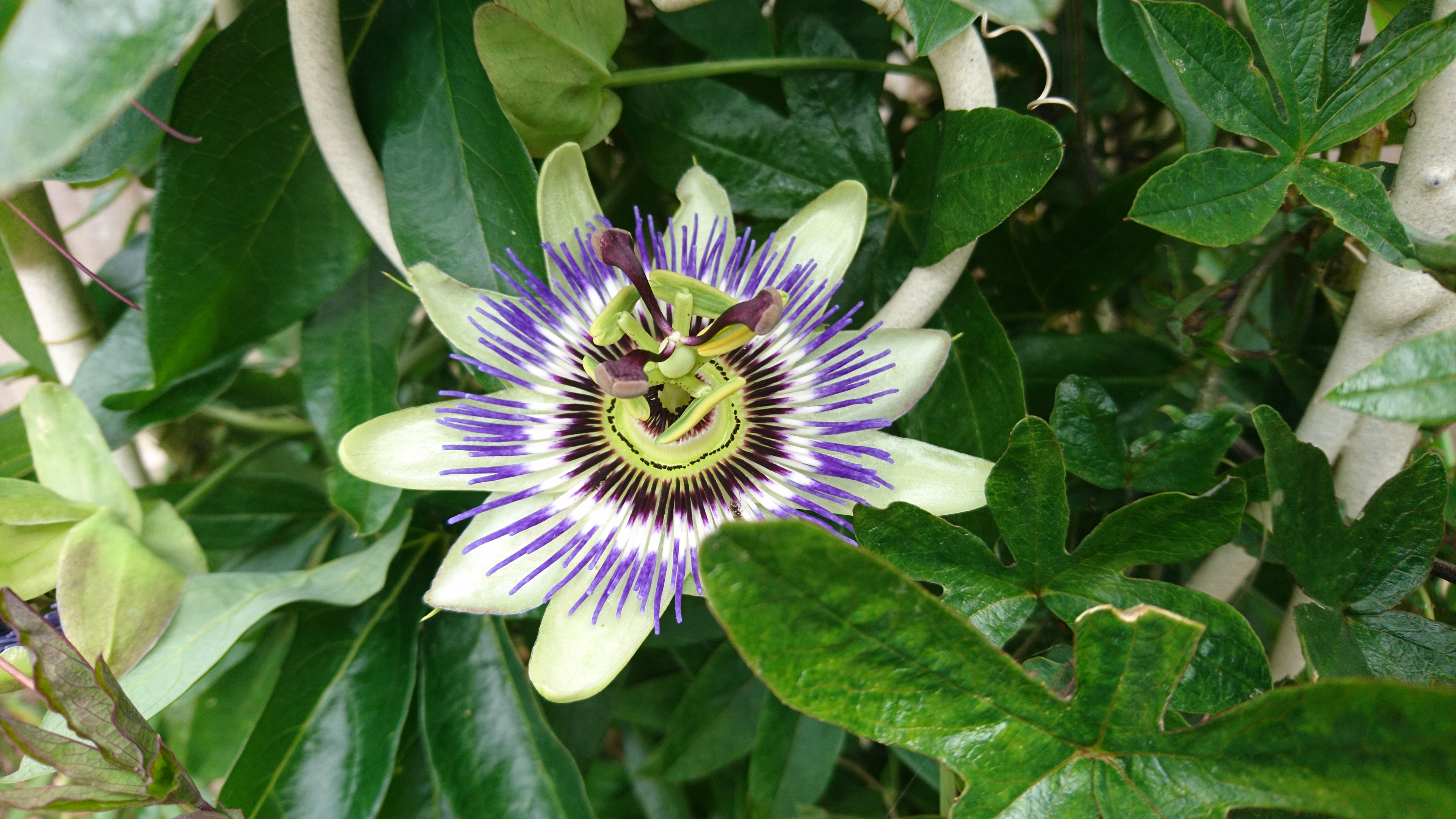
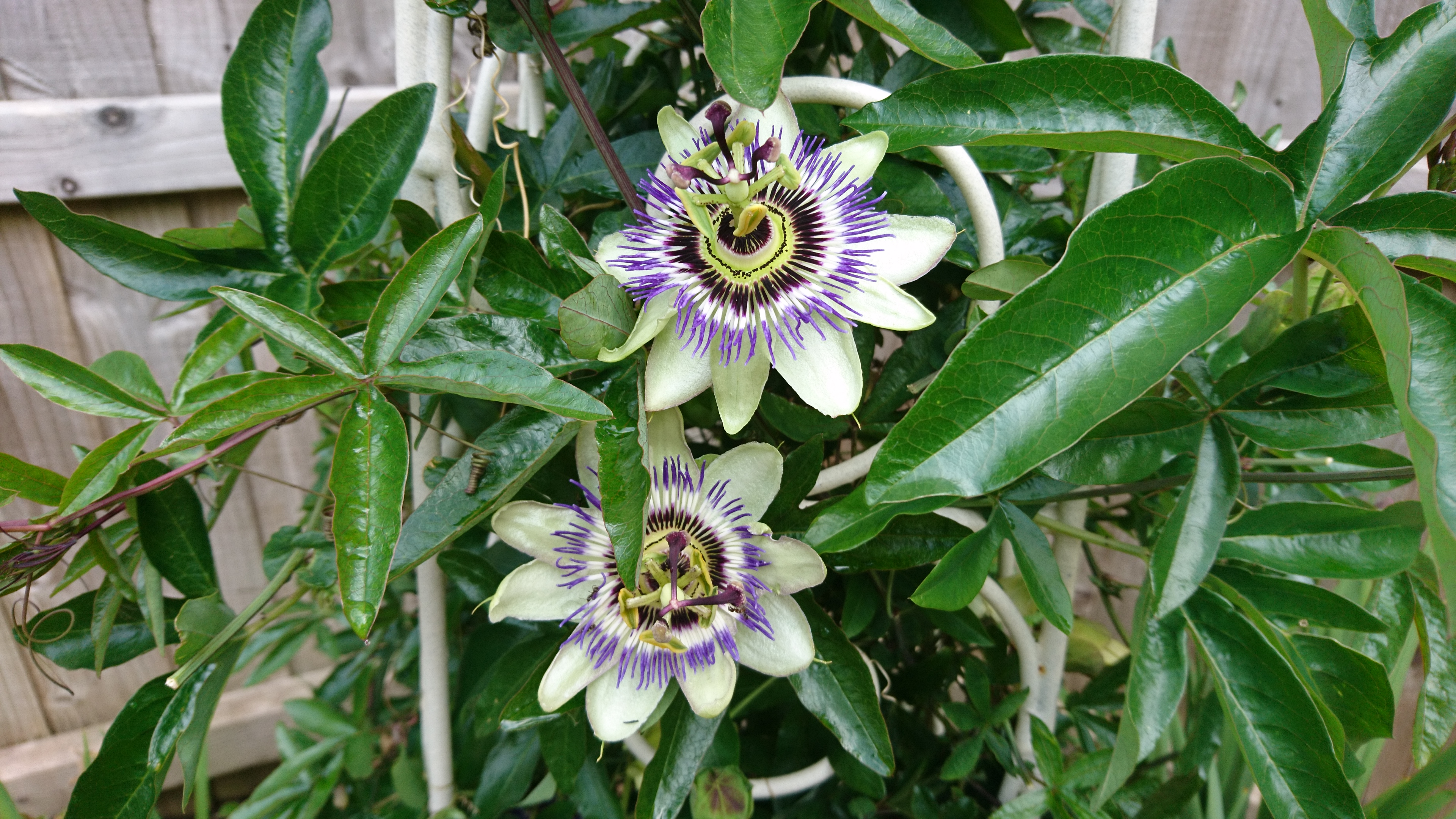
Passion Flower.
Passion flowers are often used to symbolise events in the last hours of the life of Jesus, (as in The Passion of the Christ – the story of Jesus Christ’s arrest, trial and suffering), with the corona representing the crown of thorns; the styles representing the nails used in the crucifixion; the stamens representing the five wounds and the five sepals and five petals representing ten of the apostles, excluding Judas and Peter. Further information about the symbolism of the passion flower can be found below.

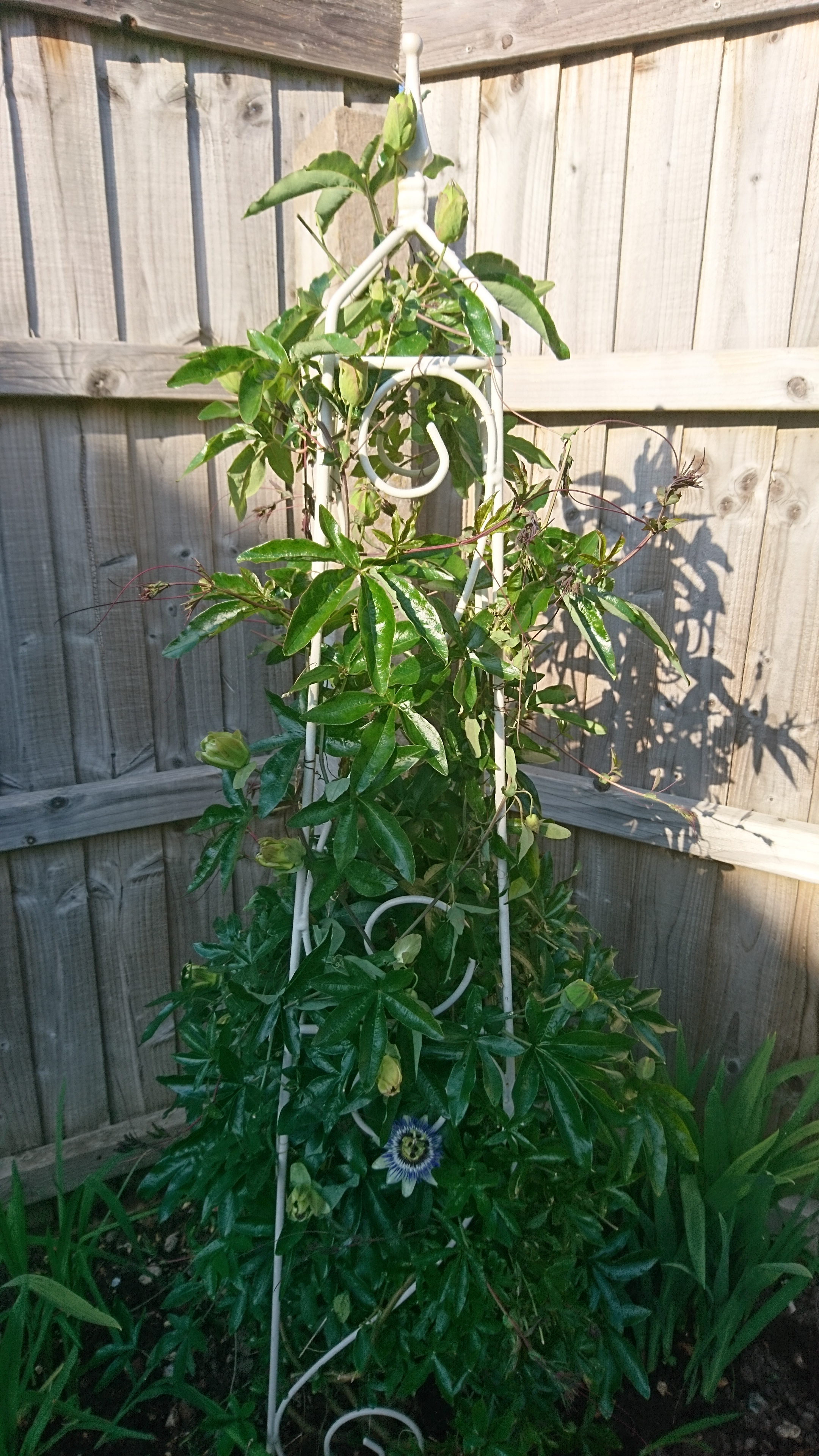
Passion flowers are evergreen climbers with dark green leaves, which will quickly cover a wall or fence or in my case an obelisk – the plant is able to climb with tendrils, the same as peas, sweet peas and runner beans.

Passion flower growing up obelisk.

They have exotic looking flowers but are easy to grow, flowering from July to October, with egg shaped fruits following the flowers. It is possible to grow passion flowers in the ground or in pots. Those grown in pots will need to be fed and watered more often and they won’t grow quite as vigorously as those growing in the ground, however growing them in a pot does mean they can be moved to a frost free place for winter, if necessary.

My plant is Passiflora Caerulea but other varieties are available. Images of some of these can be seen below.

Passion flowers are hardy in most regions of the British Isles despite being native to the tropics of South America. They can handle drought conditions but can be lost to frost and some passion flowers are suitable only for growing in a conservatory or greenhouse, so check before you buy.

passion

They are very independent plants which don’t need to be pampered and would probably prefer that you didn’t bother, so it is really a case of the gardener keeping the plant tidy and within the constraints of whatever space they have. I cut mine back as and when it gets a bit out of hand but because it is evergreen, I tend to leave any serious cutting back until late winter, as I like seeing a bit of life and colour in the garden over the winter.
 
Passion flowers typically only last one day. You can view a short film showing a passion flower growing below.

Taking cuttings

Passion flowers cuttings can be taken in early spring/summer. To do this remove new growth from below a leaf node – about 6cm in length is long enough. Remove the bottom leaves and tendrils and place the cutting in a pot of cutting compost. Cuttings should root successfully when placed in a propagator with bottom heat of around 20°C. However, last year I took cuttings of mine for the first time, stuck them in general/multipurpose compost, did without a propagator and this year have three new good sized plants.

passion-5

Common problems

Passion flower won’t bloom

Plants can get a lot of leaves and not many flowers. The most common cause of lack of flowers is too much nitrogen (which will promote leaf growth at the expense of flowers) and too little potassium. A weekly feed of liquid seaweed or bone meal in May, June and July should sort this out.

Age

Passion flowers don’t always bloom right away. Many species need several years to establish a solid root system before they begin to set blooms.

Light

Fruiting plants need as much sun as they can get. Even if you never intend to harvest the fruit, your passion flower will try to turn the flowers into fruit and this means being able to create lots of food with the help of the sun. A passion flower needs at least eight hours of direct sunlight, otherwise, it may never bloom or bloom only sparsely.  If your flower isn’t getting eight hours of direct sunlight a day, you should consider moving it.

Passion Flower.


Morning Glory

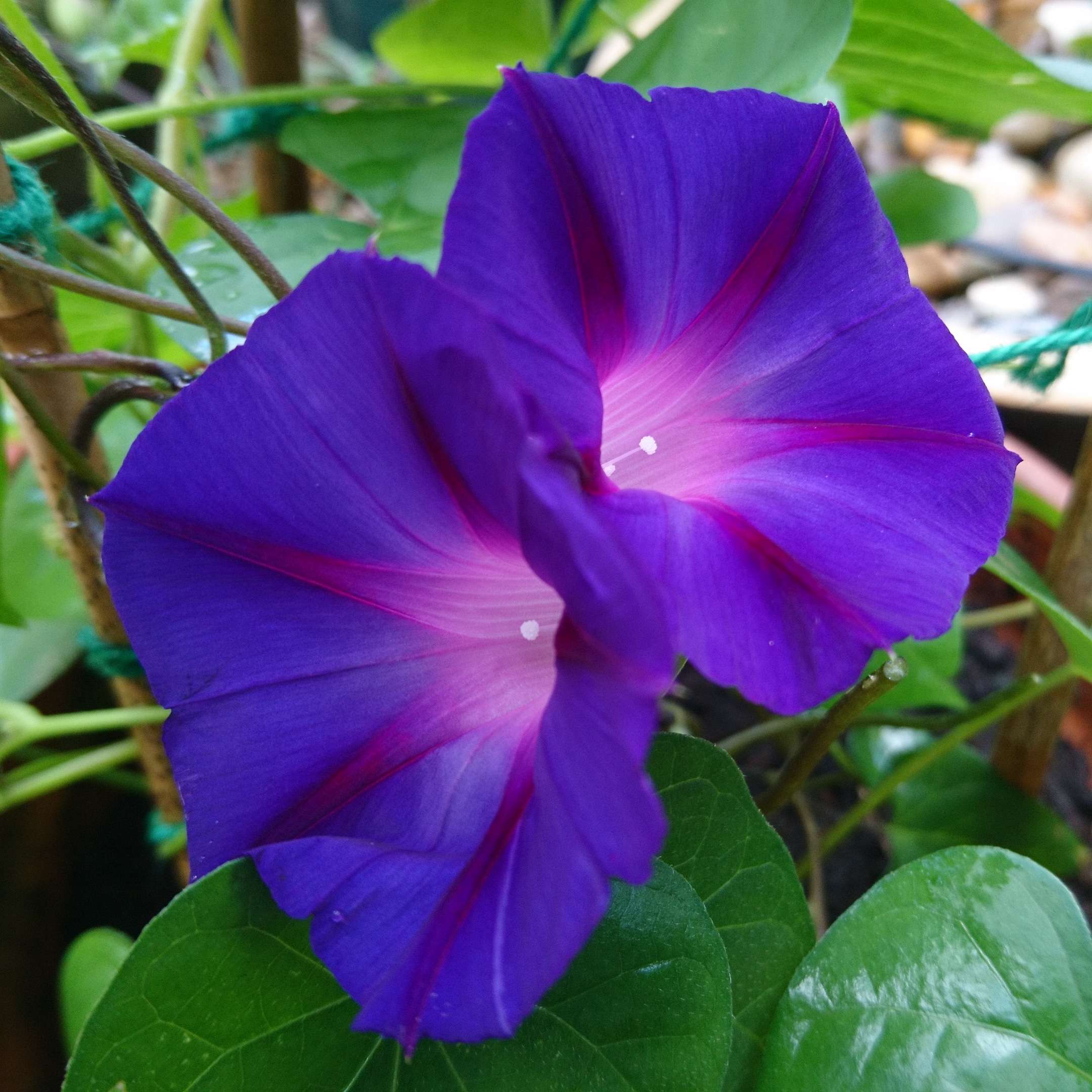
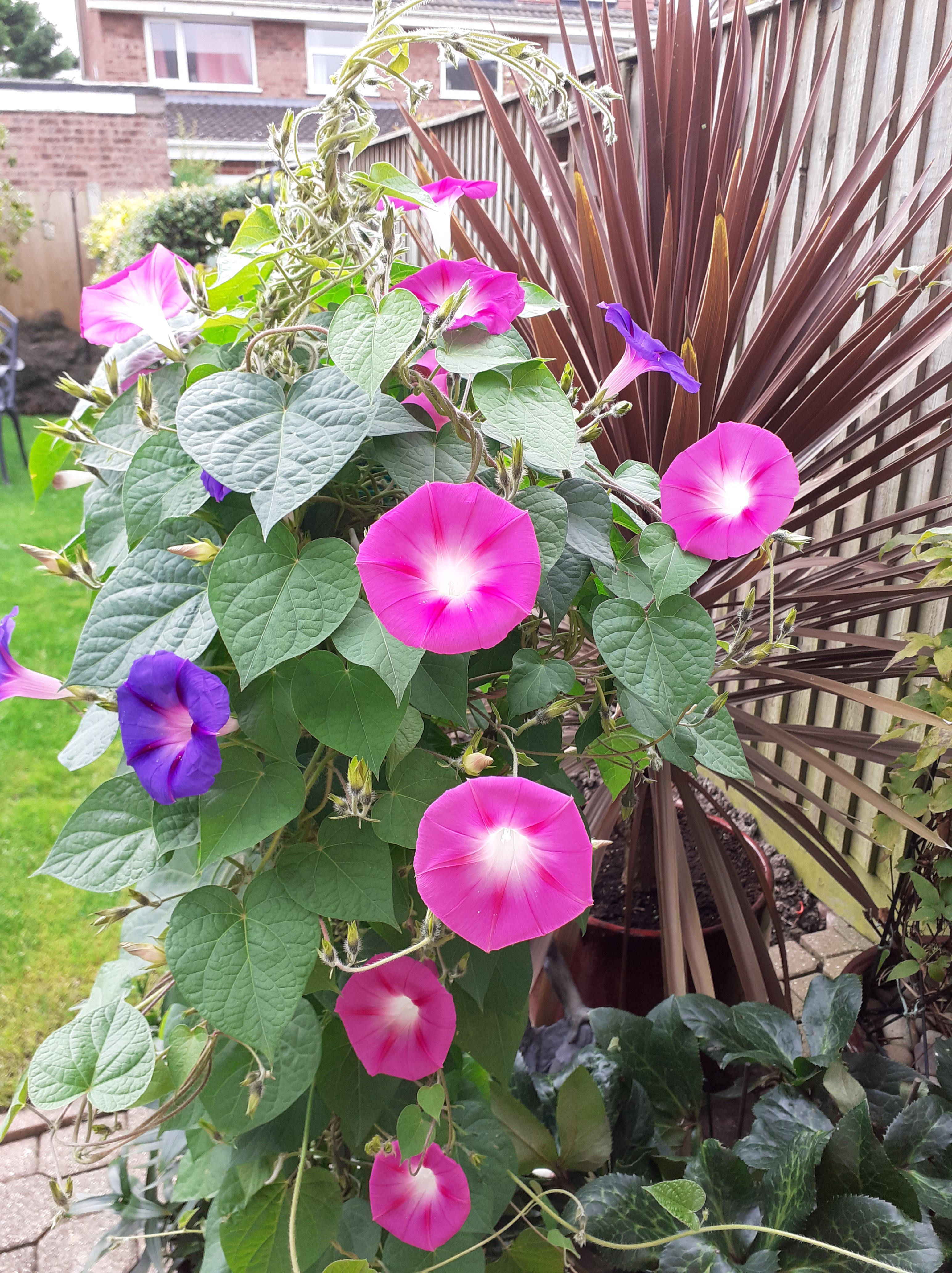
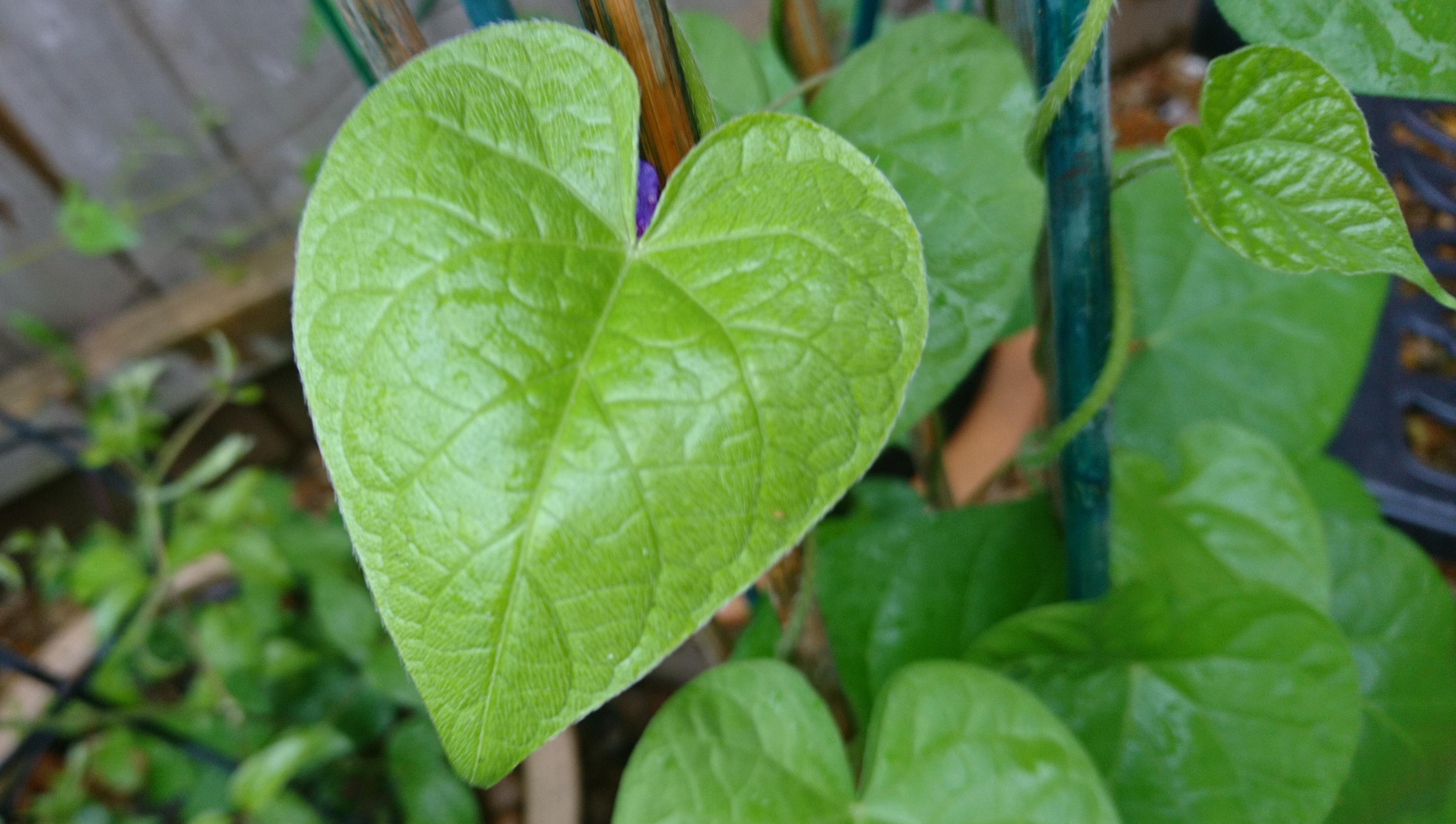
Morning glory is a climbing plant native to the rain forests of South America. I have grown purple and pink varieties of this flower. The flowers of the purple variety  look as if they have been dipped in purple ink which gives them a very decadent appearance. Both varieties have trumpet shaped flowers, white throats, twining stems and large heart shaped leaves.

All photos by Toni Abram.

Purple Morning Glory plant.

Whenever I have grown morning glory, I have grown it from seed, sowing these around March/April time and it really is as simple as putting some seeds in a pot and waiting for them to begin growing.

Purple and Pink Morning Glory plant.

I grow mine in pots and use plant supports so the plant has something to climb up.  I create these cheaply using garden canes to form a wigwam structure and cane grips which you can buy at garden centres, on eBay or Amazon. Morning glory could also be grown up a trellis or grown through shrubs and trees.

Morning Glory heart shaped leaf.

The plant grows best in full sun or dappled shade, however individual flowers are short lived. They open wide in the early morning sun but do not last the day. Remove the dead flowers when you see them and the plant will flower reliably throughout the summer.