Albert Victor Abram

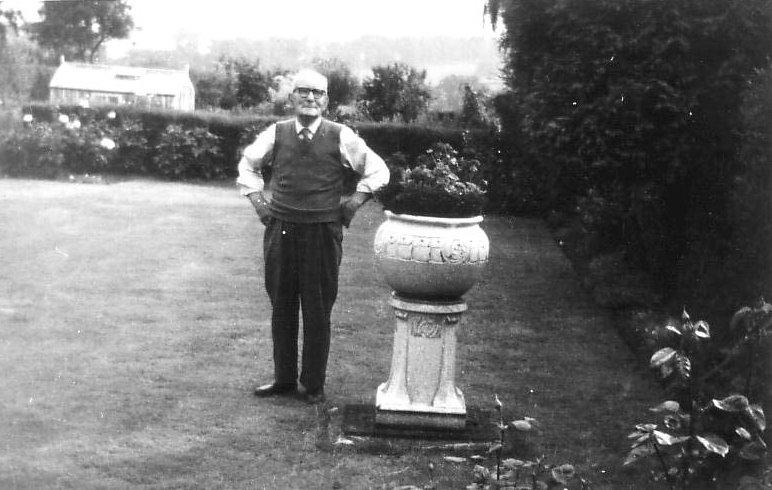
Albert V Abram was born in Leicester in 1891.   The census for that year shows him aged less than one year old, at Great Holme Street, Leicester.

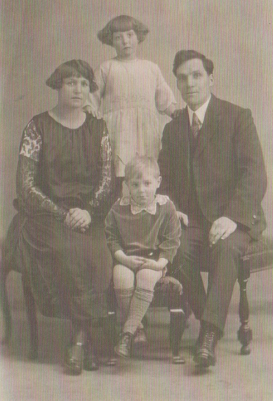
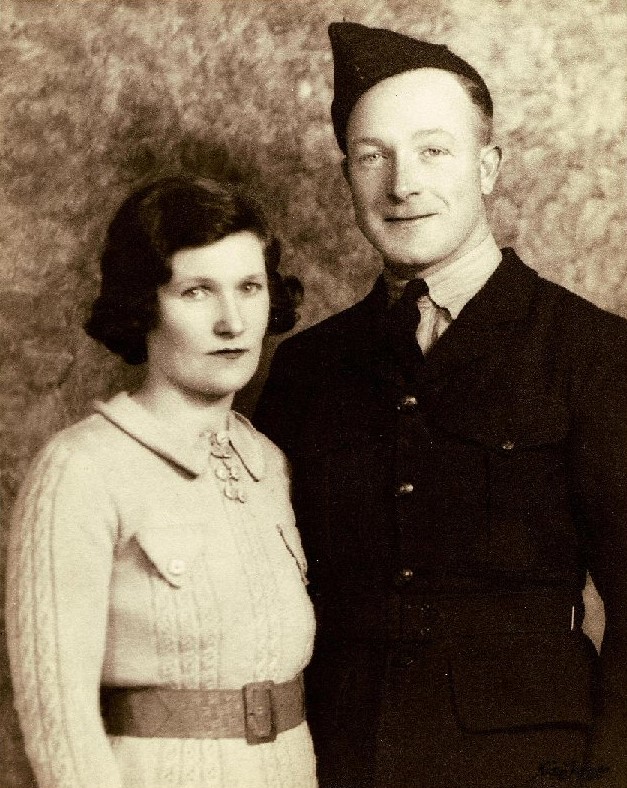
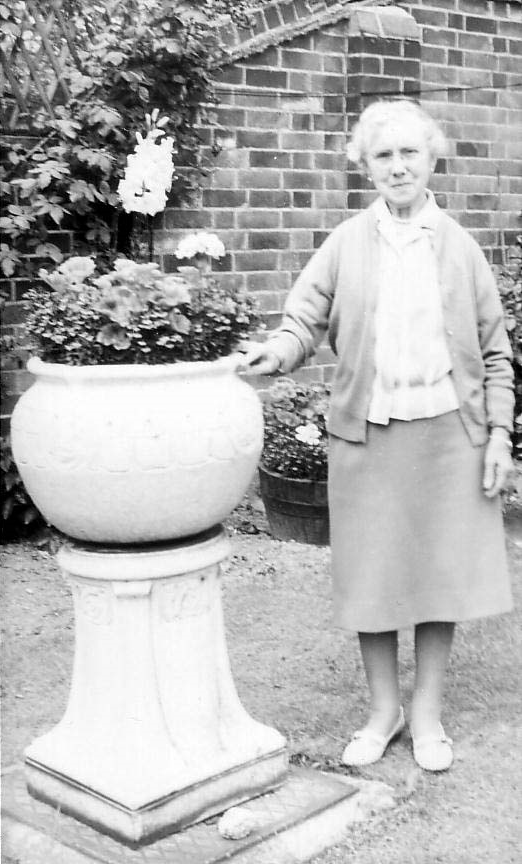
Albert Abram with Kit, Gwen and Sonny.

In 1901 the family can be found at 75, Lower Hester Street, Northampton, Kingsthorpe where Albert, aged ten, is living with eight brothers and sisters.  In 1911, aged 20, Albert can be found living at Station Road, Earl’s Barton, working as a shoe machine operative.

Albert can still be found living in the UK in 1939, at 24 St Peters Avenue, Rusden where he lives with Kate Abram and Gwendoline Taylor (nee Abram). Albert’s occupation is given as a Heel Scourer Boot and  Shoe Operative. 

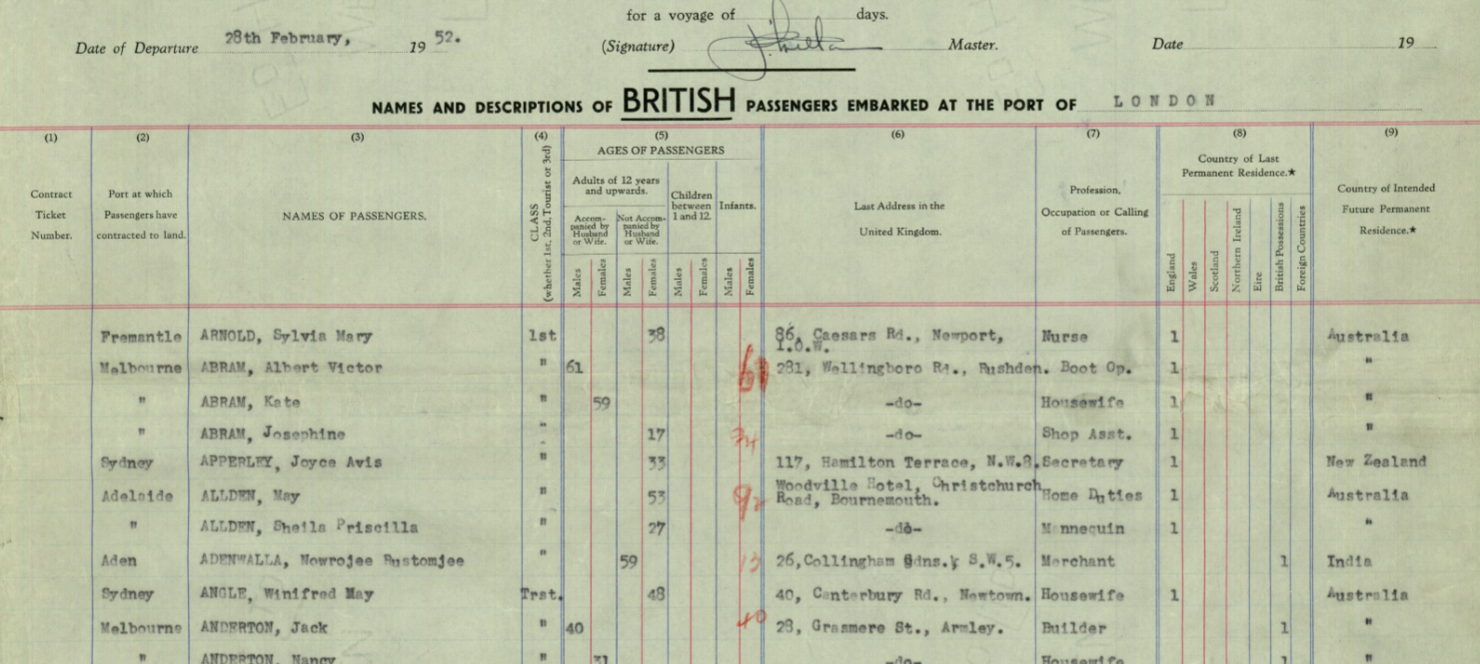
On 25 February 1952, aged 61, Albert travelled from London to Melbourne on the Strathnaver with wife Kate and daughter Josephine.

albert-passenger-list

Reginald James Abram

Reginald James Abram was born in Northampton in 1903.   The 1911 census shows him, aged eight, living at Station Road, Earl’s Barton.

reginald-abram-football

Reginald J Abraham is recorded as leaving London for Australia on 5 December 1922, travelling on the Esperance Bay with 290 other people.


Violet May

Violet May Abram was the youngest child of my great great grandparents Charles and Emily. She was born in Wellingborough, Northamptonshire in 1907. Emily lived into her nineties and daughter Violet lived to celebrate her 100th birthday in 2006.

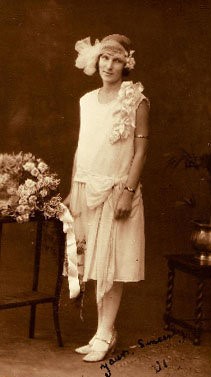
Violet May Abram.

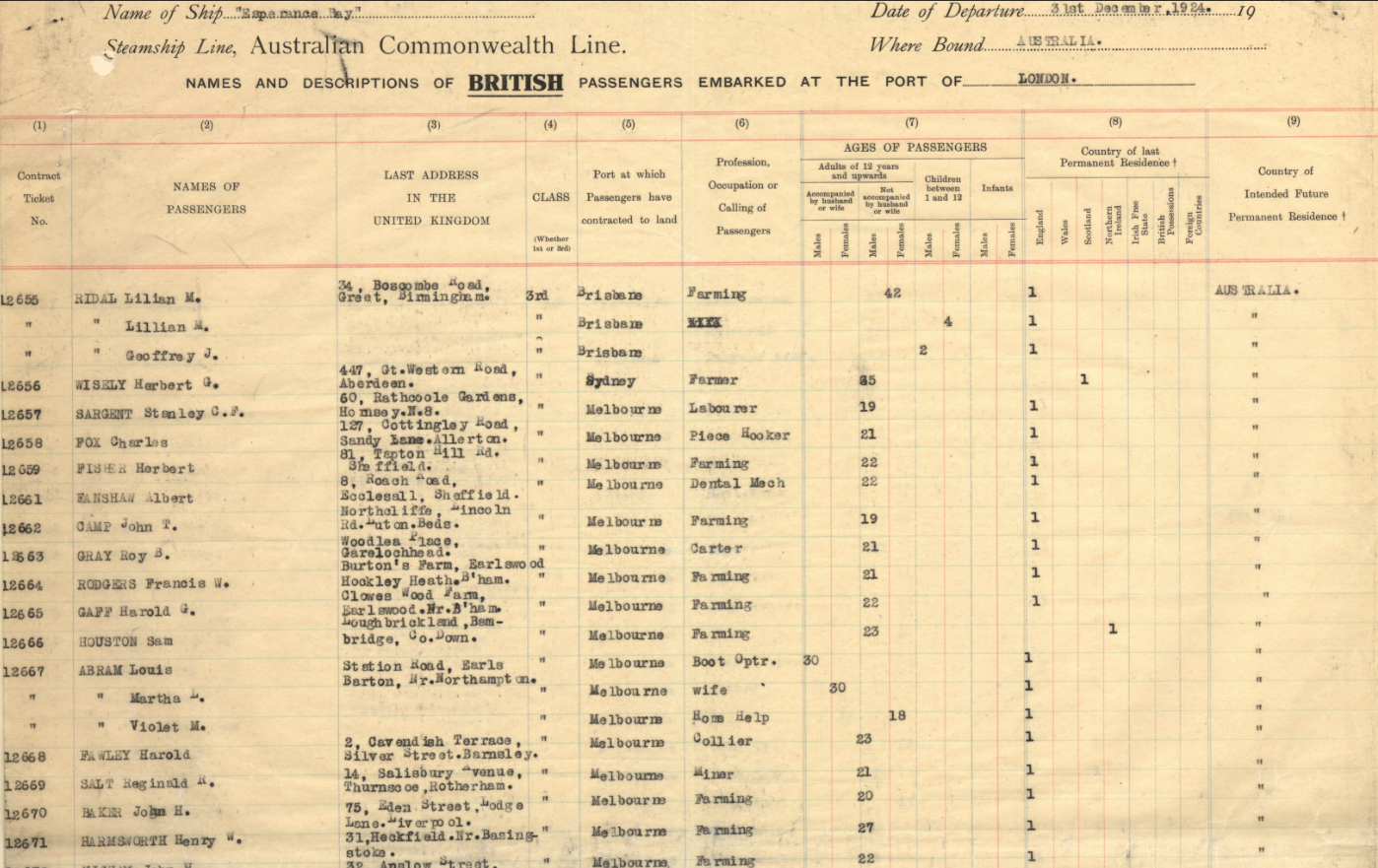
After the war, my great grandfather Charlie and his wife Milly May settled in England but other family members went to Australia.  Aged 18, Violet went too, leaving from London on 31 December 1924 and arriving in Melbourne, Australia on 9 February 1925.  They sailed aboard the Ship Esperance Bay on it’s maiden voyage, with 268 others. The ship was later turned into a battle ship in the Second World War and sunk. 

Passenger list.

Five years later, in 1930, Violet married Hugh Smith Wilson in Victoria, Australia. 

Violet & Hugh

Emily Hutchings

My great great grandmother Emily Hutchings was born in Birmingham on 7 April 1861. Emily was the daughter  of William Hutchings and Amelia Underwood. Beginning in 1881 and ending in 1907, Emily is believed to have had thirteen children (see post titled ‘The pommie mafia’.)  by the age of 20 she was married and had her first child.
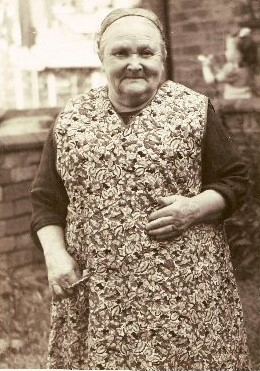
emily-aged-90

1871

Emily can first be found on the 1871 census, aged ten, living at East Street, St Andrew Priory, Northampton, with her parents. William and Amelia are recorded as tailors but their birth place is not known. Emily is shown to have a sister, Mary J and two brothers, Alfred and William.

1881

In 1881 Emily can be found at 12, William Street, Northampton. Aged 20, she is married to Charles Abram and they have a son named Francis G.  Emily is recorded as a shoe fitter.

1891

The Abram family can be found on the 1891 census living at Great Holme Street, Leicester. Emily is now aged 30 and along with Francis G, she now has six other children – Joseph C (my great grandfather), Amelia A, Theresa, William and Albert V.  

1901

In 1901, the family are back in Northampton at 75, Lower Hester Street. Another four children have joined the family – Alfred, Louis, Walter and Kathleen.

1911

Emily can be found on the 1911 census at Station Road, Earl’s Barton, Northamptonshire.  Another three children have joined the family – Rose, Reginald James and violet May.

1939

Charles and Emily can also be found on the 1939 register, living alone at 77 Station Road, Earls Barton.  Emily’s occupation is given as unpaid domestic duties and Charles is recorded as a pensioner.

On paper, Emily’s life may look unspectacular but she lived through significant events such as the invention of television and radio, the suffragette movement, the death of Queen Victoria and her son King Edward VII, the sinking of the Titantic, the Spanish flu, two world wars, the creation of the BBC, women getting the vote, the first talkie, the discovery of penicillin, the Wall Street crash, the first Penguin paperbacks going on sale, the death of George V and the abdication of Edward VIII, the establishment of the NHS, the publication of George Orwell’s 1984, the death of George V and the succession of Elizabeth II. After the second world war, a number of her children emigrated to Australia including her daughter Violet who was just 18 at the time. Emily sent the photo above to Violet many year letter, on the reverse it read,  ‘What do you think of a face like this at 90’? She died in 1952 at the grand old age of 91.  
 

Charles Abram

My great great grandfather Charles Abram was born in Rothwell, Northamptonshire on 8 August 1859.   He was the son of Joseph Abram and Ann Cox who were both born in Northamptonshire. Charles’ life can be tracked through census returns.

abram3

1861

The 1861 census shows Charles him living at 4, Lower River Terrace, St Sepulchre, Northampton with his parents. Joseph’s occupation is shown as a shoemaker and Charles  has two sisters, Emma and Harriett.

1881

In 1881 Charles can be found at 12, William Street, Northampton. Aged 22, he is married to Emily and they have a son named Francis G.  Charles is recorded as a shoe finisher and Emily as a shoe fitter.

1891

The Abram family can be found on the 1891 census living at Great Holme Street, Leicester. Charles is aged 31 and his occupation is now recorded as a shoemaker. Along with Francis G, six other children are recorded – Joseph C (my great grandfather), Amelia A, Theresa, William and Albert V.  

1901

In 1901, the family are back in Northampton at 75, Lower Hester Street. Another four children have joined the family – Alfred, Louis, Walter and Kathleen.

1911

Charles can be found on the 1911 census at Station Road, Earl’s Barton, Northamptonshire.  His occupation is a shoe machine operative.  Another three children have joined the family – Rose, Reginald James and violet May.

1939

Charles and Emily can also be found on the 1939 register, living alone at 77 Station Road, Earls Barton.  Charles is recorded as a pensioner and Emily’s occupation is given as unpaid domestic duties.

William Barratt, Barratts Shoes and The Barratt Maternity Home

On 16 August 1944 my dad  was born at The Barratt Maternity Home in Northampton. World War two was still raging and it would be another eight  months until victory was declared in Europe. The photo below is said to have been taken the year dad was born. The title and description read ‘The front of the Barratt Maternity Home in Cheyne Walk, after nurses had covered it in flags. The American Stars and Stripes the most prominent, perhaps due to the number of US fathers who visited after American forces came to town, It was said at the time the American fathers outnumbered the ‘local dads’. 

Embed from Getty Images
The Barratt Maternity Home, 1944

The flags may also have been displayed to mark VE day, as described in the newspaper article below.

barratt-ve-day-news
An article from the Northampton Mercury newspaper
dated 11 May 1945
detailing the display of a large US flag.

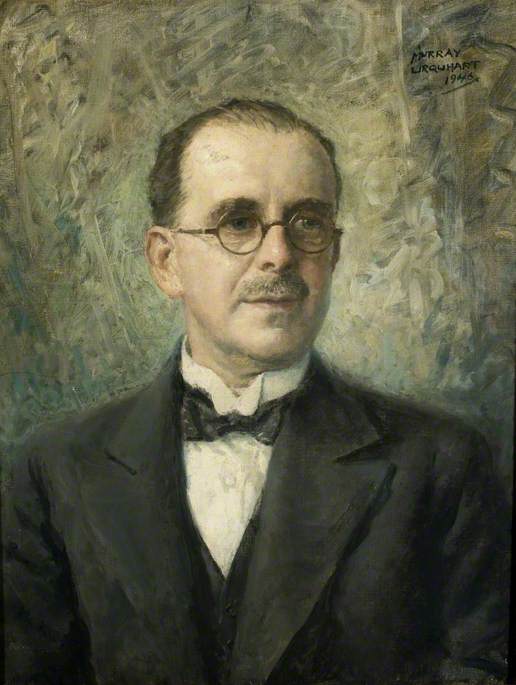
The Home was a separate building in the grounds of Northampton General Hospital and was built by William George H Barratt who was  born in Northampton in 1877, where he lived throughout his life. The son of a boot sewer, William and his brothers became shoe workers by their early teens and William managed one of Manfield’s shops in London, then his father’s boot shop in Gold Street, which later he bought. By 1902, he and his brother David had a boot shop in the Drapery. Their innovative idea of selling boots via the post (the first in the country) was resented by the manufacturers who cut off supplies of boots and shoes. However, in 1907, the brothers started a new company, W Barratt and Co, Ltd. to make their own shoes, with two of their other brothers, Albert and Richard, as nominal shareholders.

Urquhart, Murray McNeel Caird, 1880-1972; William Barratt, Benefactor to the Barratt Maternity HomeWilliam George H. Barratt
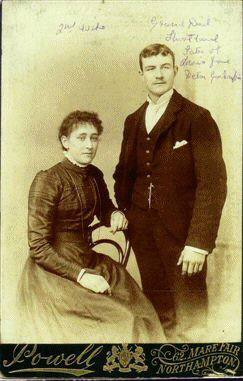
Photo credit: Northampton General Hospital NHS Trust

In 1913 they opened a new factory, the Footshape Boot Works an elaborate looking building with a brick and cream terracotta frontage and a pierced balustrade which reads Footshape Boot Works. The building was designed for the comfort of its workforce, with air conditioning and natural light through roof vents and widows with clear glass. An up to date conveyor reduced lifting and carrying. A canteen served tea free of charge and made hot meals available. Welfare services included a benevolent scheme and contribution free pensions.

footshape

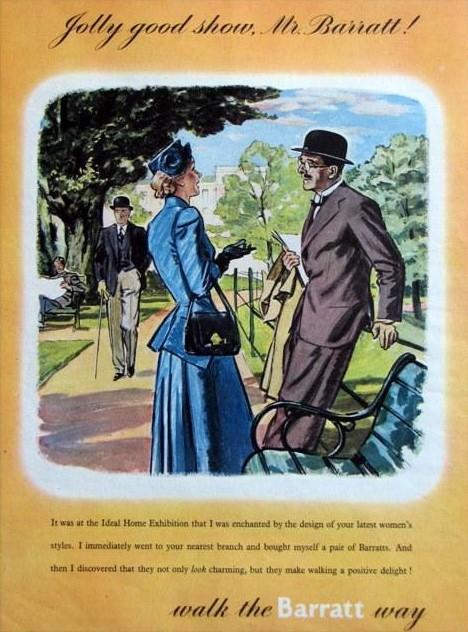
They added a chain of retail shops and advertised their wares with the slogan ‘Walk the Barratt way’, which became famous internationally. The first shop opened in London in 1914, and by 1939 there were 150.  A chain of retail shops followed and products were advertised with the slogan ‘Walk the Barratt way,’ which became famous internationally. The first shop opened in London in 1914, and by 1939 there were 150.


adverts
 
William Barratt was also active in politics. He and his brothers were fervent socialists. As a young man he was a prominent member of the Social Democratic Federation, one of the forerunners of the Labour party, and he was present at the foundation meeting of Northampton Independent Labour party in 1908. In 1904 he stood twice, unsuccessfully, for the town council. His second attempt came 25 years later in 1929, when he was elected as Labour councillor for Delapre ward.
 
In 1930 William contested Bethnal Green at the parliamentary election. He was narrowly defeated, but the incoming Labour Minister of Health appointed him to a committee inquiring into the law covering the composition and description of food. In 1935 he became a Northampton magistrate. He was a Director of Franklins Gardens Sports and Pleasure Company, and a Committee member and later President of the Saints Rugby Club.
 
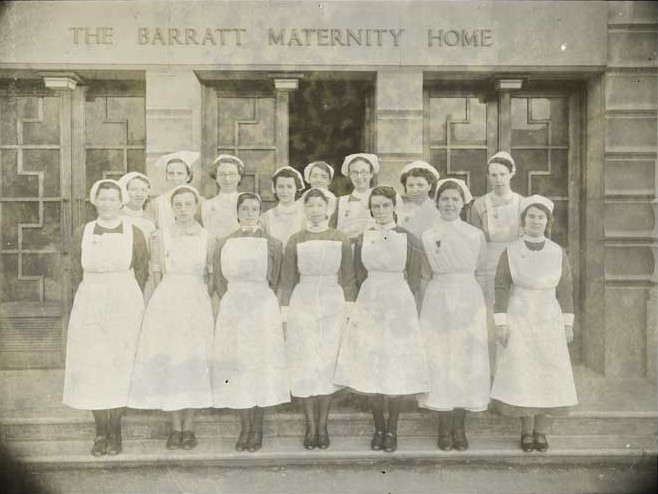
nurses-at-barratt-maternity-home-2
Sisters and pupil midwives
on the steps of The Barratt Maternity Home, 19 February 1941.

Photo used with permission of Historic England.
 
 
William and his wife, Alice, are best remembered however for financing the building of the Barratt Maternity Home with an initial gift of £20,000 in 1934. Alice laid the foundation stone in May 1935, and the Home was opened in July 1936. William explained they had desired to do something in their lifetime, of a lasting character, for the benefit of the town, and that the Home should be as bright and cheerful as possible for the benefit of the patients and staff alike.
 
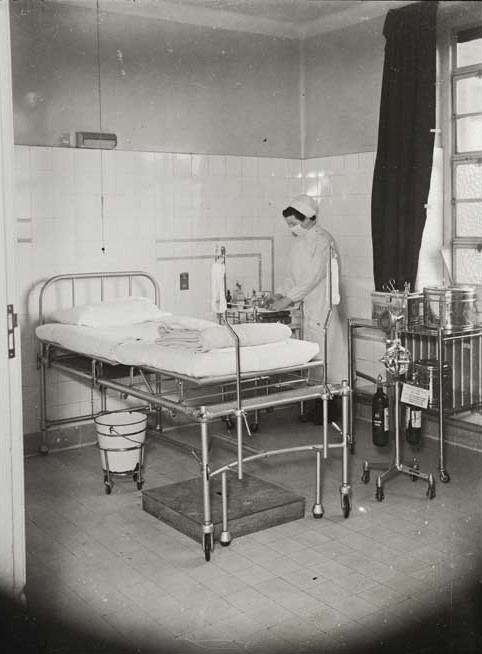
labour-ward
A view of the labour ward. with a nurse preparing equipment,
at The Barratt Maternity Home, 19 February 1941.

Photo used with permission of Historic England.


The following year the Barratt’s agreed to fund a gynaecological department, a maternity outpatients department, and an operating theatre. It was hoped that the provision of a maternity home would help to reduce maternal mortality in the town. William was a regular contributor to good causes, including a rest home for the unemployed, and the Mayor’s Fund for the Red Cross. He died in a Northampton nursing home in December 1939.

 
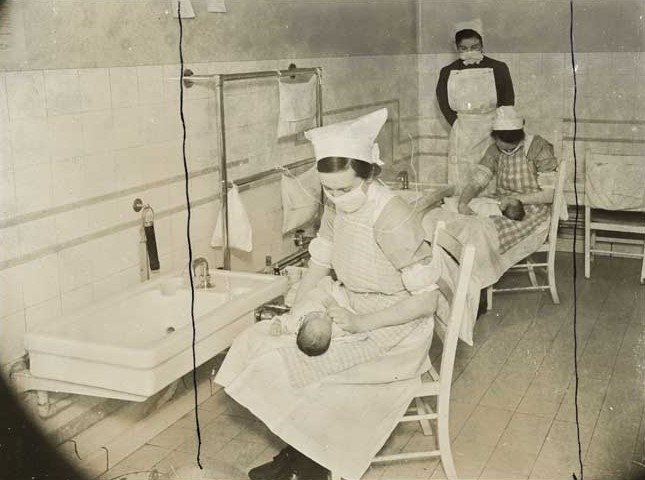
barratt-maternity-home-bathroom
Pupil midwives with babies on their laps, in the bathroom
at The Barratt Maternity Home, 19 February 1941.

Photo used with permission of Historic England.
 
The Historic England website records the Home at first provided 34 beds for ante- and post-natal patient, a nursery, and a labour ward. Located on the first floor, the labour ward and was separated from the gynaecology ward by doors which were opened to allow patients to be transferred to the gynaecological theatre for caesarean sections. It consisted of two delivery rooms, a first-stage room, staff changing room, sluice room, and admission room.
 

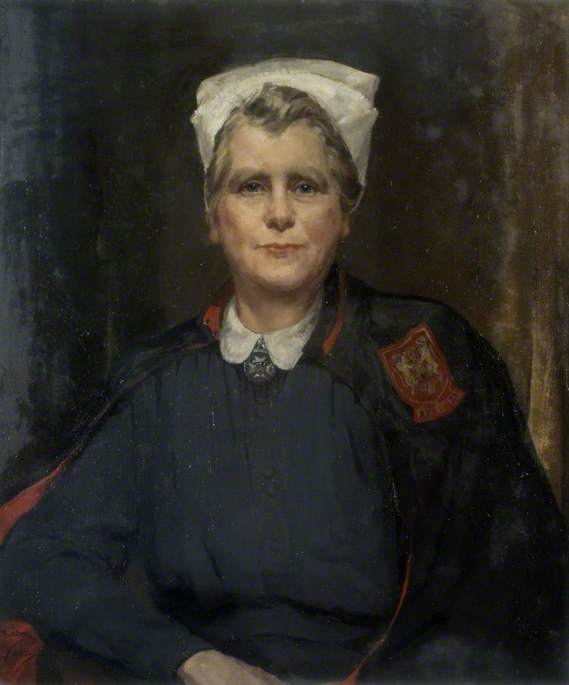
Burton, Alice Mary, 1893-1968; Miss C. E. Nelson (d.1954), Matron to Northampton General Hospital (1938-1954)

Miss C. E. Nelson, Matron to
Northampton General Hospital and The Barratt Maternity Home (1938 – 1954)
Photo credit: Northampton General Hospital NHS Trust
 
Midwifery training was divided into two parts in 1938, and establishments were approved to provide training in one or both: Part I was primarily theoretical, based in hospitals and was assessed by examinations; Part II was largely practical, and allowed pupils to demonstrate competence and to link theory with practice.  The same year, The Barratt Maternity Home was approved as a Midwifery Training School to provide Part I of the training. Miss Eleanor Hague, who had qualified as a midwife in 1933, was appointed by the Central Midwives’ Board as the Approved Teacher; in 1943 she received her Midwife’s Teacher’s Diploma. Later, Miss Hague became Matron of the Barratt Maternity Home and is regarded by some as the ‘Mother of Midwifery’ in Northamptonshire.  When my dad was born in 1944 the Matron was Miss C. E.Nelson.
 
home
The Barratt Maternity Home as it looked in 2020.

Lucy Thompson

Lucy Thompson was the first wife of my great grandfather Joseph Charles Abram, a Corporal in the Army Service Corps. Married on 16 April 1906 in Northampton, at the time of her wedding, Lucy was living at 35 Burns Street, Northampton and the witnesses were Lucy’s sister Alice Thompson and Joseph’s brother Frederick George Abram.

Born in Northampton in 1880, Lucy was the daughter of William and Harriett. On the 1881 census, Lucy can be found aged one, living with her parents and sisters Emily, Annie and Alice.  Living in the same house is Lucy Munns (described as mother in law).* In 1891, Lucy, aged 11,  can again be found living with her parents and sisters at Great Russell Street.  Her father William is now recorded as working as a Gentleman’s Gardener. Finally, in 1901, Lucy, aged 21, is no longer at home with her parents but is working as a servant for a widow, Elizabeth Peach, at 25 Margaret Street, Northampton.

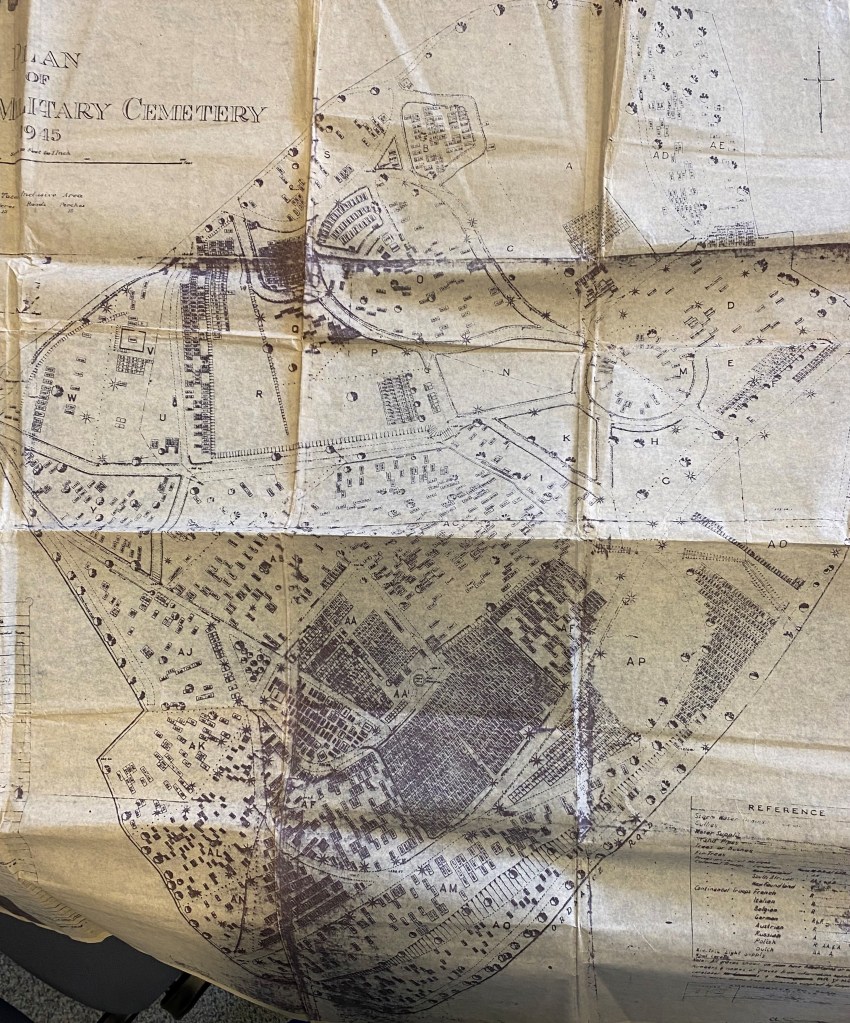
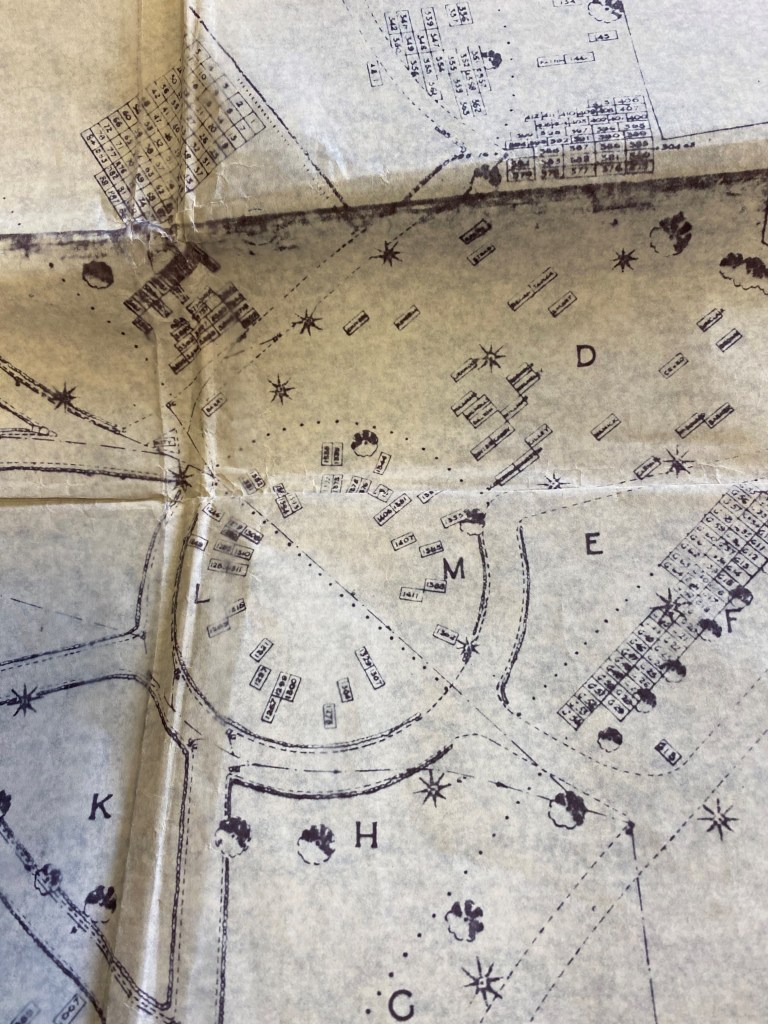
Lucy died aged 26, at 4 Ferndale Villas, Holly Road, Aldershot on 12 October in 1907 with the reason for death being instrumental labour and pulmonary embolism. The death was registered by Joseph Charles and Lucy was buried four days later on 16 October 1907 at the Aldershot Military Burial Ground, Hampshire. John Greenfield at the Aldershot Garrison has kindly helped me identify Lucy’s burial place in the cemetery, as plot number 1406, in site M.  Sadly there doesn’t appear to be a record of a burial for Joseph and Lucy’s child.

Map of Aldershot Military Cemetery.

I am interested to learn more about Lucy and her family, as she has been described to me as ‘a dark skinned lady’ and I have discovered that Northamptonshire has a significant black history, with people of Asian, African and Caribbean origin, residing in the county over many centuries.

Further information

* I have located a Lucy Munns on the 1851 and 1861 census returns. She is recorded as having been born in Riseley in Bedfordshire and is married to George Munns.  The couple have a daughter called Harriett.

Jeremiah Maloney

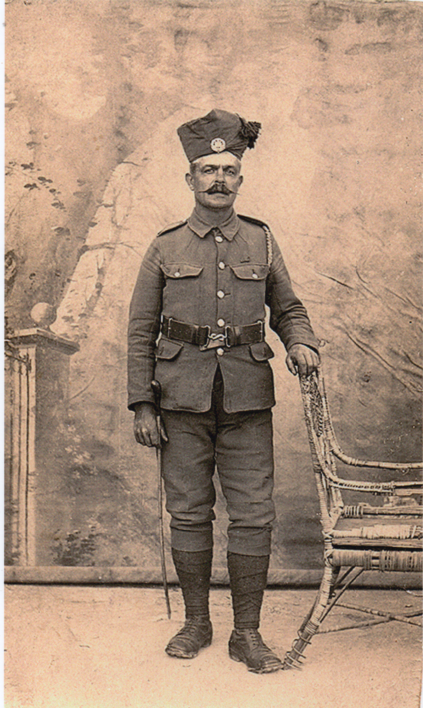
Jeremiah Maloney was the son of my great great great grandmother Ann Abram (nee Cox).  On the 1861 census, I have been able to locate Ann, living with my great great great grandfather, where Joseph, a shoemaker aged 23 and Ann aged 21 were living at 4 Lower River Terrace, St Sepulchre in Northamptonshire with three children, Emma, Charles (my great great grandfather aged 1) and Harriett. The photo below was given to me by my relative Margaret Creighton in Australia. Jeremiah is shown wearing a British army uniform but also a turban which appears to have a Northamptonshire Regiment badge on it.

jeremiah-maloney

Sadly, it appears that Joseph died aged just 28.  The death certificate shows he had been suffering from Phthisis Pulmonalis (Tuberculosis) for 13 months. In 1869 Ann appears to have married William Maloney and her story continues on the 1871 census, where, aged 31, she is living at St George Square in Northampton but now with William Maloney of Ireland, Charles (aged 11 and recorded as Charles Abram Maloney) and three other children, George, Emma and John W Maloney.

In 1881 William and Ann can be found living at 12 Alpha Street, Northampton, with four children, Jeremiah (aged 9), Eugene, William and John Maloney.  Finally, in 1891, Ann can be found at 50 Adelaide Street, Northampton.  She is a widow and working as a laundress. Eugene, William and John are still living with her.

Jeremiah Maloney does not appear on the 1891 census with his mother and siblings but I believe I have located him, aged 19, living as a boarder at Luther Street, Leceister in the home of William and Sarah Abrams (both recorded as being born in Northamptonshire) and their children Herbert and Amy, along with two other boarders,  Ellen Maloney aged 24 and and Eva M aged 1.  (I believe that Jeremiah Maloney married Ellen Frost in 1889).

Jeremiah’s army service records are detailed below.

  • First name(s) Jeremiah
  • Last name Maloney
  • Birth year 1871
  • Birth parish St Sepulchres
  • Birth town Northampton
  • Birth county Northamptonshire
  • Birth country England
  • Service number 6568
  • Regiment Northamptonshire
  • Regiment Year 1902
  • Attestation date 12 Mar 1902
  • Attestation age years 31
  • Attestation corps 3rd Northamptonshire
  • Document type Attestation
  • Series Wo 96 – Militia Service Records 1806-1915
  • Archive The National Archives
  • Archive reference WO 96 Box851
  • Box record number 286
  • Record set British Army Service Records
  • Category Military, armed forces & conflict
  • Subcategory Regimental & Service Records
  • Collections from Great Britain, England

The South Africa 1900-1902 Medal Roll, 3rd Militia Battalion records a Private J Maloney,  was awarded the Queens South Africa Medal with Claps for Cape Colony and South Africa 1902.

Joseph Charles Abram

Joseph Charles Abram was my great grandfather.  Married to Millicent May Bowers, the couple had three children – my grandfather Louis Bowers Abram, Betty and Joseph Bowers Abram, their first son, born in Tempe, Pretoria, South Africa, in 1913, where Joseph Charles was stationed on army service.  The child lived for two short months – he died of enteritis and heart failure and is buried in South Africa.

joseph-charles-mears-ashby

Joseph served in the army from January 1901 to March 1922, receiving the 1914 Star, the British War Medal 1914 – 1918 and the Victory Medal 1914 – 1918 as well as being mentioned in Despatches on 30 December 1918.

On discharge, Joseph Charles Abram was involved in a number of projects.  He is believed to have run two pubs – the Red Lion in Stambourne, Essex (around 1924 when his daughter Betty May Abram was born) and the Kings Arms in Woodbridge,  Suffolk.

He built two houses at Mears Ashby Road in Earls Barton. Choosing to live in one of these, the second property he sold. Newspaper articles from local newspapers in 1939 advertised a semi detached house with six rooms (three being bedrooms),  central heating, bath, electricity, gas and main water. The houses still stand today.  

joseph-abram-bus

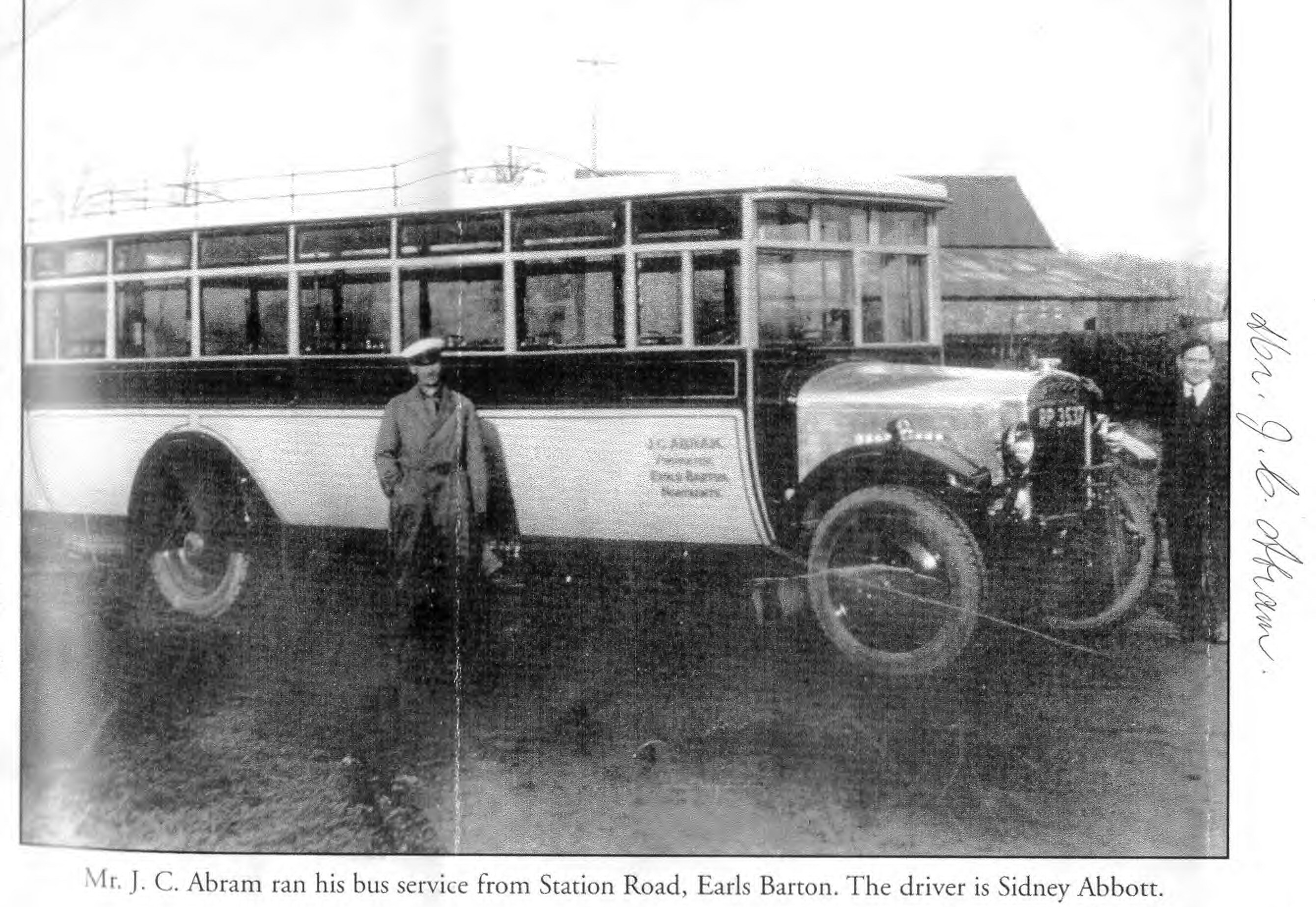
He also ran Earls Barton Motors (known locally as Abram’s garage), from which he sold vehicles and ran a bus service in the early 1930’s.  operating a small local service with trips to Wellingborough and back at weekends costing four pennies return. During the war the garage was used for repairing aircraft parts for Sywell aerodrome and in March 1943 the garage sustained a broken window when two Air Force Bombers collided and crashed.

Further information about Joseph

Millicent May Bowers

Millicent May Bowers was my great grandmother. Married to Joseph Charles Abram, they  had three children, my grandfather Louis Bowers Abram, Betty and Joseph Bowers Abram, their first son, born in Tempe, Pretoria, South Africa, in 1913, when Joseph Charles was stationed there on army service.

Milly May

milly-may-2-mears-ashby

Born in Bury St Edmunds, the 1901 census shows Milly, aged 17, living with her parents Henry and Eliza and working as a dressmaker. In 1911 she can be found working at the Kings Arms in Woodbridge, with her sister Kate Eliza Whitehead, a widower and Licenced Victualler, where Kate appears to have been the landlord for over 30 years.  Also living at the pub is Arthur John Bunn, a Ostler (a man employed to look after the horses of people staying at an inn), who appears to have become the landlord in 1937. The pub is now closed and the building used for mixed retail use.

Louisa Jane Shortland

Louisa Jane Shortland was my great grandmother on my fathers side of the family. She was the wife of Albert Edward William Clarke who served with the Northamptonshire Constabulary, the daughter of William Thomas Shortland and Elizabeth Jelley and she had one brother, Ernest Henry. Albert and Louisa had five children – Dorothy Margaret, Edward Alexander, Cicely Mary  (known as Molly), Kitty Alexandra and my grandmother Delia Eileen.

louisa-and-dad
I have been able to trace Louisa through census returns.  The 1881 census shows her living in Weedon, aged three, with her father William (a widower) and his sister Emily, also Louisa’s brother Ernest and their grandparents.  The 1891 census shows Louisa is still at home with William in Weedon but he is now married to Alis and there is is a daughter Bessie.

william-and-alis

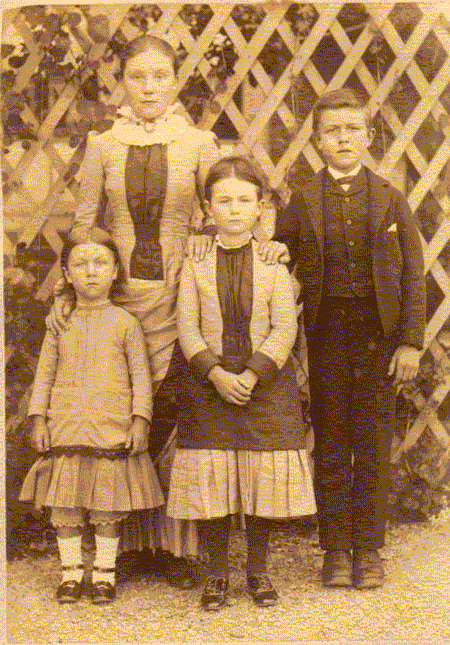
In 1901, Louisa is still in Weedon but now working as a parlour maid. When William’s first wife Elizabeth died, William re-married Alis, who had a daughter called Maud. William and Alis, later had a child together called Bess.  The photos below show the four children (Ernest is pictured at the back, with his hand on Louisa’s shoulder) and William and Alis. Ernest lived to be 91 and Bess died, unmarried, leaving thousands of pounds for charities in Northamptonshire.

louisajangirl

By 1911, Louisa has married my great grandfather Albert Edward William Clarke, a police sergeant and they are living together at Factory Row Police Station, Pottersbury.  Their two eldest children, Dorothy and  Edward who died aged four in October 1911,  are also shown, together with a visitor, Cecilia E Glenn, a certified midwife. The 1911 census doesn’t appear to coincide with the births of any of Louisa’s children that I can see but my father believes Louisa had a number of miscarriages, so that could be the reason.

In 1939 register records Louisa Jane as a widow living her daughters Molly and Kitty at The Limes, Wellingboro.

It has also been possible to keep track of Louisa’s father William. In 1861 he is aged seven, living in Weedon with his parents John and Jane and siblings, Henry (recorded as an invalid), Richard, Sarah and Emily. In 1871 he is aged 17 and still living with his parents and sister Emily and but in 1881, William is recorded as a widower, living with his parents and sister, and his children Louisa and Ernest.  He remains a resident of Weedon on both the 1891 and 1901 censuses.

The census returns also show my great great grandfather John Shortland – aged 36 in 1851, he is married to Jane and living with children John, Richard, Sarah and Mary.  In 1861 William and another daughter, named Emily appear and Louisa Jane and her brother Ernest show on the 1881 census too.

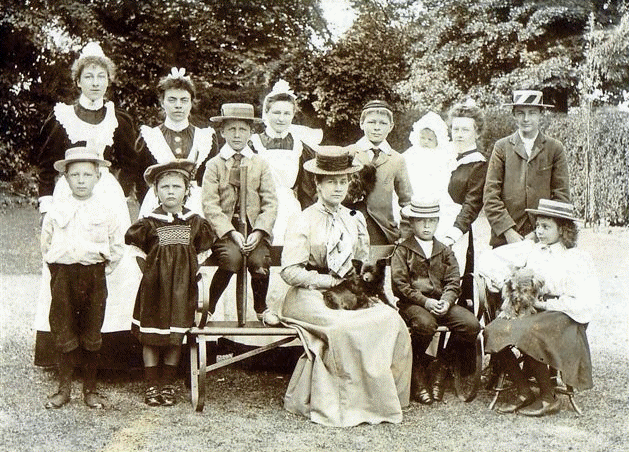
Prior to marrying Albert, Louisa was in service. She can be found on the 1901 census, residing with a family called Liddell  in Wandsworth. The photo below includes Louisa and was taken by J. Seckington photograper, of Willoughby, Rugby.

louisa-in-service

More photos

Albert Edward William Clarke

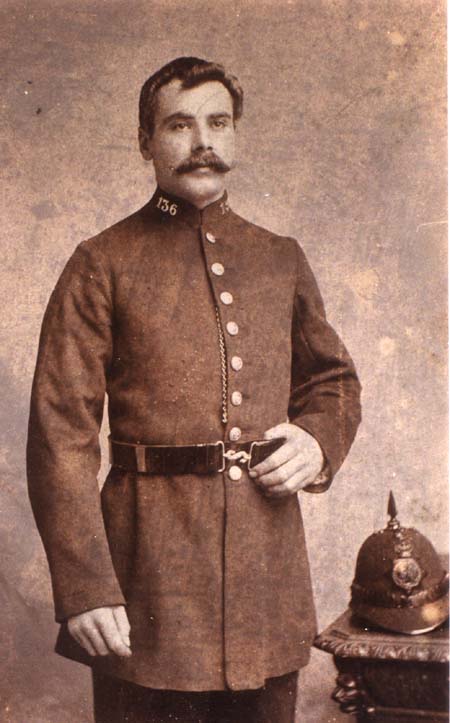
Albert Edward William Clarke was my great grandfather on my fathers side of the family. He served with the Northamptonshire Constabulary from 1 December 1899 until he retired on 6 October 1931.

albert-clarke-1

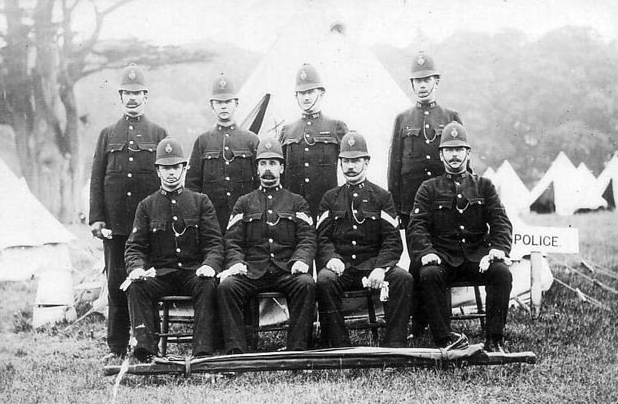
On joining the force he was described as a native of Welton, Northamptonshire and during his service he served at Kettering, Oundle, Paulerspury, Daventry, East Haddon, Northampton, Pottersbury and Naseby. On retirement he held the rank of Sergeant and was described as having an exemplary character.

The 1901 census shows Albert, aged 24, living alone at Police Station House, London Road, Kettering. His occupation is shown as Police Constable. The 1911 census shows Albert living with Louisa at Factory Road, Potterspury, Paulerspury. His occupation is given as Sergeant of Police.

albert-clarke-4

The photo above is a postcard sent by Albert on 7 June 1911 to Mrs A E Clarke (my great grandmother), Police Station, Pottersbury, Stony, Stratford, Bucks. On the back it reads: ‘Dear Lou Hope you are all well pleased to say I am alright, not quite as busy as on Monday. I do not know yet if it will be Sunday or Monday we shall leave here with love to you all. Ted’.

I also have a book of common payer given to Albert  by Louisa. At approximately 5cm by 9cm I can barely read the writing but on the inside front cover it says ‘From Lou, to Albert, Xmas 1889. In loving memory of the past’.

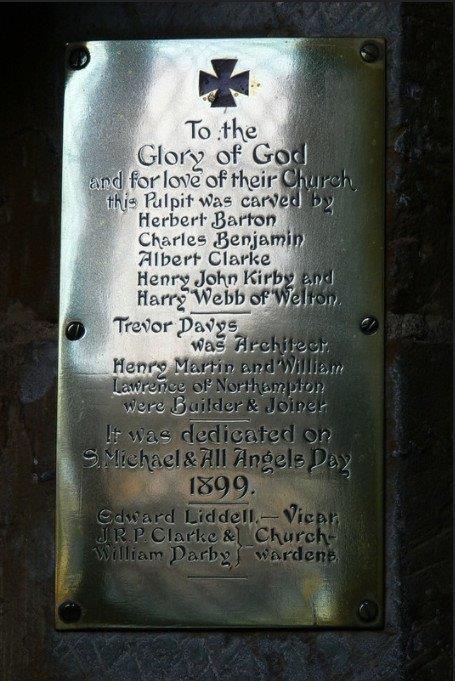
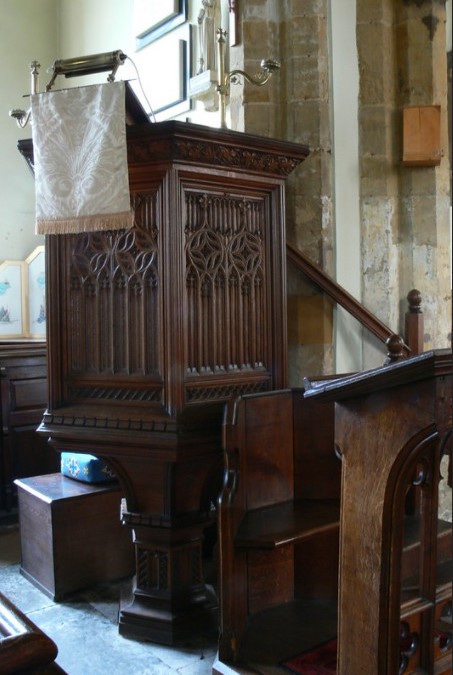
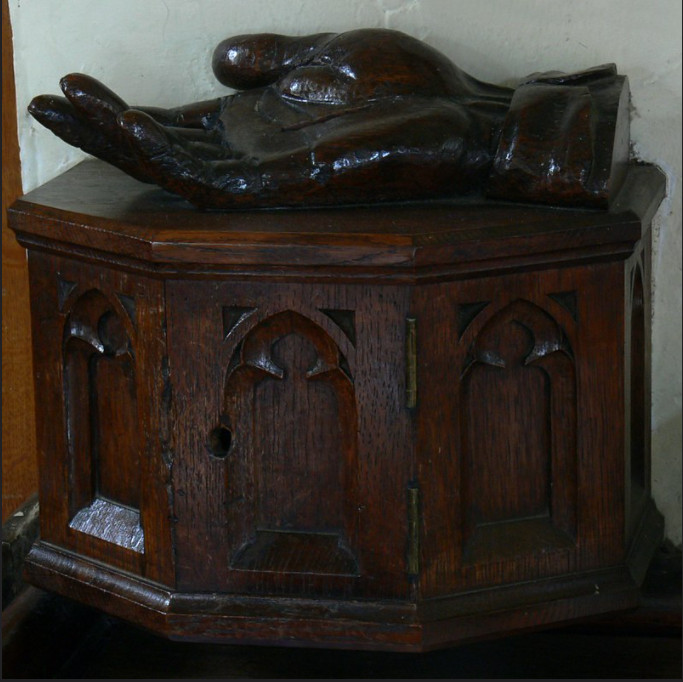
Albert is remembered at St Martins Church, Welton by a plaque that records that he and a number of other local men carved the pulpit.

plaque-1

pulpit-2020

pulpit-2-2020

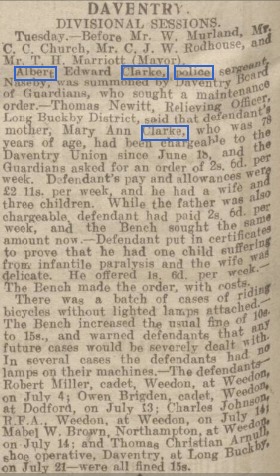
The newspaper article below appeared in the Northampton Mercury on 2 August 1918. It records Albert Edward William Clarke as a Sergeant in Naseby. He had been summoned by the Daventry Board of Guardians who sought a maintenance order for his mother Mary Ann Clarke.

Northampton Mercury, 2 August 1918

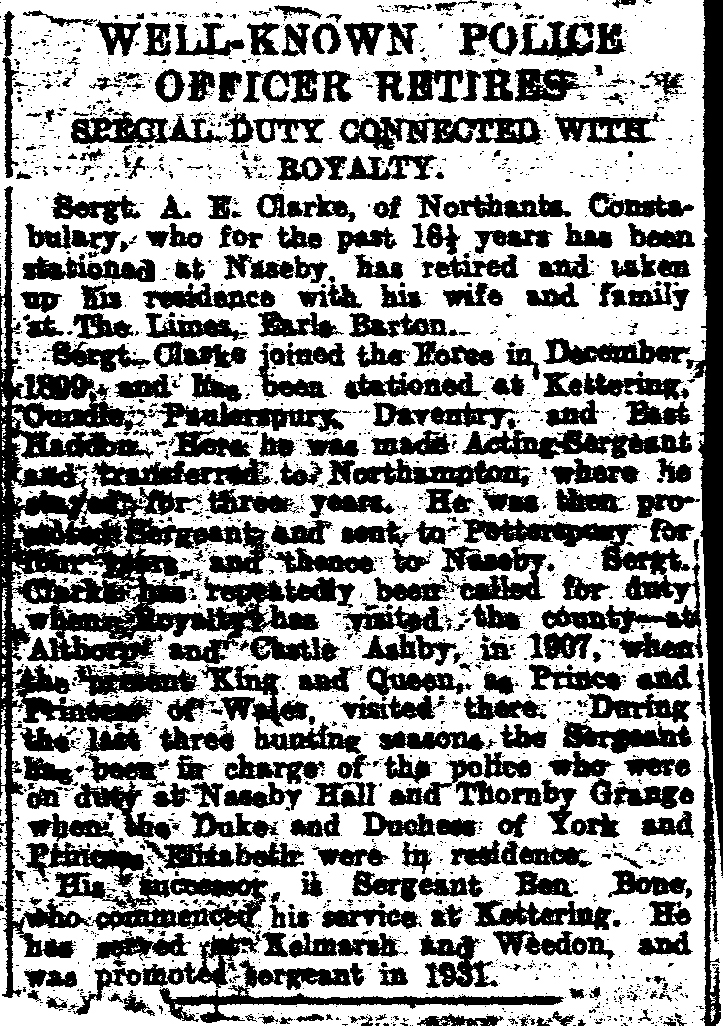
Albert’s retirement was reported in local newspapers and stated he had ‘repeatedly been called for duty when royalty had visited the county at Althorpe and Castle Ashby in 1907 when the present King and Queen, Prince and Princess of Wales, visited there. During the last three hunting seasons the Sergeant has been in charge of the police who were on duty at Naseby Hall and Thornby Grange when the Duke and Duchess of York and Princess Elizabeth were in residence.’

albert-retirement-1

At the time of his death it was reported that he ‘knew personally both the present King and Queen and the late King George and Queen Mary, for during his police service he was called upon to undertake the duty of guarding their Majesties. This was when King George and Queen Mary stayed at Althorpe several years ago and when the present King and Queen were at Naseby Hall and Thornby Hall as Duke and Duchess of York.’

death-notice

More photos